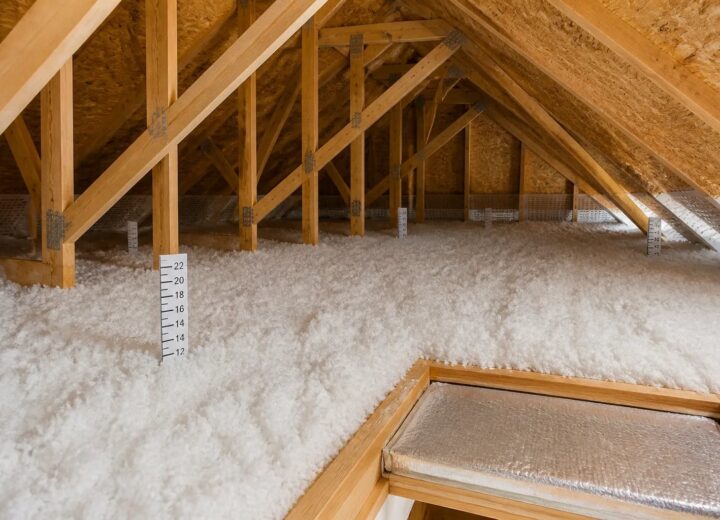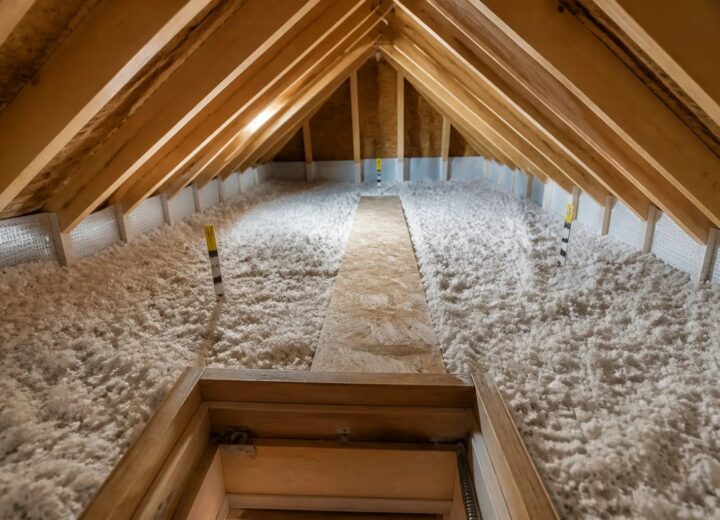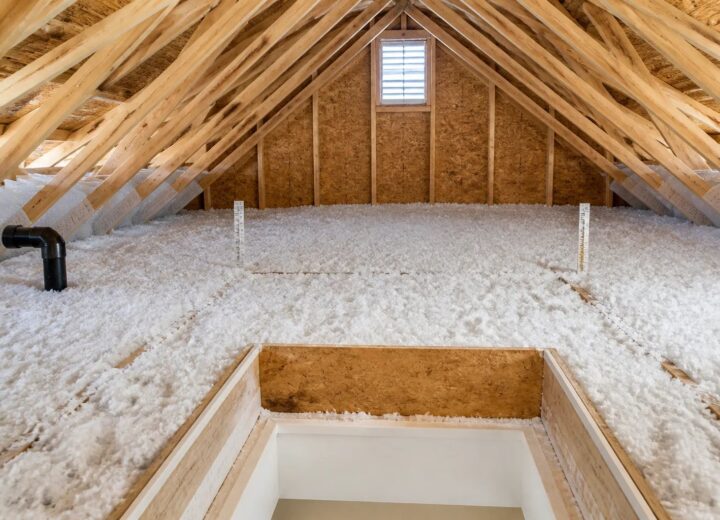
An attic insulation top-up in Oakville can be a practical option when the existing insulation is clean, dry, stable, and suitable to remain. It is not automatically the right answer for every thin or uneven attic. Before new material covers the attic floor, the key question is whether the existing layer is still serviceable or whether moisture, contamination, access issues, air leakage, or ventilation details need attention first.
At Oakville Attic Insulation Pros, we plan attic work around the accessible condition rather than treating every comfort concern as a simple quantity-of-insulation problem. A well-defined scope should explain what can stay, what needs preparation, which attic zones are included, and what must remain protected after the work is complete.
When is an attic insulation top-up a good fit?
A top-up adds compatible insulation over an existing layer that can continue doing its job. Age alone does not make insulation ineffective. Loose-fill can settle over time, and coverage can be disturbed by electrical work, duct access, renovations, or storage. If the material is dry and reasonably clean, a top-up can restore more continuous coverage without removing material that still contributes thermal resistance.
Conditions that can support a top-up include:
- Clean, dry loose-fill that is shallow or has settled below the intended level.
- Localized low spots caused by previous access or work in the attic.
- Existing batts that are dry, fit the framing, and do not have major gaps or compression.
- Accessible attic zones where eave protection, hatch details, and service routes can be preserved.
A top-up should still begin with measurements in more than one area. A deep pile near the attic hatch can conceal lower coverage at exterior walls, beside additions, or near framing changes. Homes with dormers, additions, rooms above garages, or low side attics may have several distinct zones instead of one consistent attic floor.
Our attic insulation top-up service focuses on determining whether the existing insulation can remain and what preparation should happen before coverage is increased.
What makes removal or corrective work the better choice?
More insulation should not bury a condition that still needs investigation. Wet, contaminated, or suspect material can require a different sequence, as can active water entry, disconnected exhaust ducts, unsafe electrical components, significant mould, animal waste, structural damage, or vermiculite-like material of unknown composition.
For example, insulation matted after a roof or plumbing event is evidence of moisture, not simply an empty area to refill. The source needs to be understood and corrected before affected material is removed or replaced. Likewise, a visible frost pattern can relate to indoor air leakage and humidity, not a lack of insulation alone.
Important boundary
Do not cover an unresolved attic condition
Active water entry, significant contamination, unsafe electrical components, disconnected exhaust ducts, structural damage, and unknown vermiculite-like material should be assessed or corrected by the appropriate qualified professional before ordinary insulation work proceeds.
Removal is not automatically better because insulation is old, and a top-up is not automatically better because it costs less labour and disposal. The responsible direction follows the material’s condition, the visible cause of damage, and the details that must remain accessible.
Where the existing layer cannot responsibly remain, our insulation removal and replacement service addresses the transition from affected material to restored coverage after the underlying condition has been dealt with.
Why preparation comes before new attic insulation
Insulation resists heat flow, but it does not stop uncontrolled air movement through gaps in the ceiling plane. Openings around wiring, plumbing, framing, attic hatches, and other penetrations can allow warm indoor air and moisture into an attic during cold weather. Once a deep layer of loose-fill covers these details, they are harder to find and address.
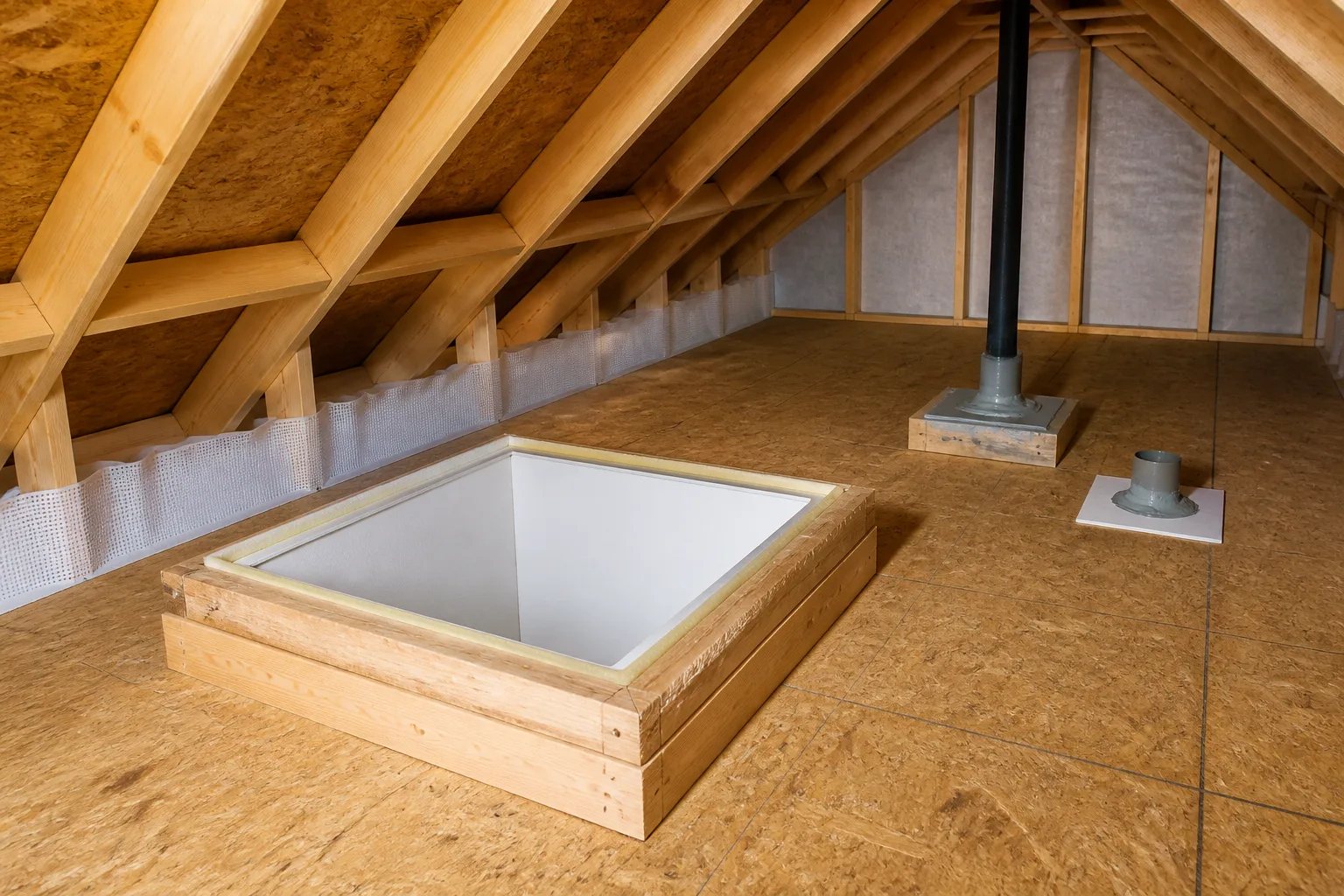
That is why accessible attic-side air sealing is usually considered before the final insulation layer. It is also important to distinguish air leakage from attic ventilation. Air leakage is uncontrolled movement through gaps in the home’s enclosure. Ventilation is an intended outdoor airflow path in a vented roof assembly. Blocking soffit paths with new insulation does not improve air sealing and can interfere with intended airflow.
Baffles, insulation stops, or other protective details may be needed near eaves before insulation depth is increased. Hatches need enough clearance to open and close without dragging loose material into the home. Service routes, heat-producing components, exhaust ducts, equipment areas, and required clearances all need to remain visible or protected as appropriate to the condition.
We provide attic air sealing and attic ventilation planning as separate but connected parts of an attic scope when the accessible findings support them.
How to compare an attic installation or top-up proposal
A final R-value or a total price does not tell you whether two proposals solve the same problem. One scope may include preparation and perimeter details, while another may only describe added material. Comparing the starting condition and finished assembly gives a clearer basis for a decision.
Proposal checklist
What a complete attic insulation scope should show
Use this checklist to compare proposals based on the attic assembly, not only the final amount of insulation.
- Existing material type, condition, depth range, and the attic zones included or excluded.
- Whether existing insulation will remain, be levelled, receive localized correction, or be removed.
- Preparation before insulation, including accessible air sealing, baffles, dams, hatch work, and protected clearances.
- The planned insulation material, intended installed coverage or depth, and how finished coverage will be checked.
- How eaves, hatches, exhaust routing, service access, platforms, and equipment areas will remain protected.
- Any conditions requiring another qualified trade, along with stated access limits and exclusions.
A clear proposal also identifies limitations. Low-slope sections, blocked access routes, fragile finishes, and concealed cavities may prevent a complete visual review. Those areas should be identified rather than assumed to match the main attic. If a condition falls outside ordinary insulation work, such as a roofing, electrical, HVAC, structural, environmental, or pest concern, the boundary should be stated clearly.
What material choice means for an attic top-up
Material choice should follow the attic detail, the existing material, access, and the intended assembly. For prepared open attic floors, loose-fill products are often used to create broad, continuous coverage around framing and irregular spaces. Blown-in fibreglass is a lightweight loose-fill option, while cellulose is a dense fibre-based loose-fill material installed to a specified depth and settled performance.
Neither material name alone tells you whether the installation is appropriate. The meaningful details are the product selected for the specific assembly, the intended installed coverage, compatibility with what is already present, depth verification, and protection of eaves, hatches, clearances, and service access. Batts, rigid materials, and foam can have roles in framed cavities or specialized details, but they are not interchangeable solutions for every attic floor.
For more detail about loose-fill planning, see our page on blown-in attic insulation.
How installation coverage should be checked
Consistent attic coverage is created through preparation, controlled distribution, and a final review of more than the open centre of the attic. Depth markers provide reference points, but they should be supported by checks at edges, transitions, around raised platforms, and near additions or separate roof areas.
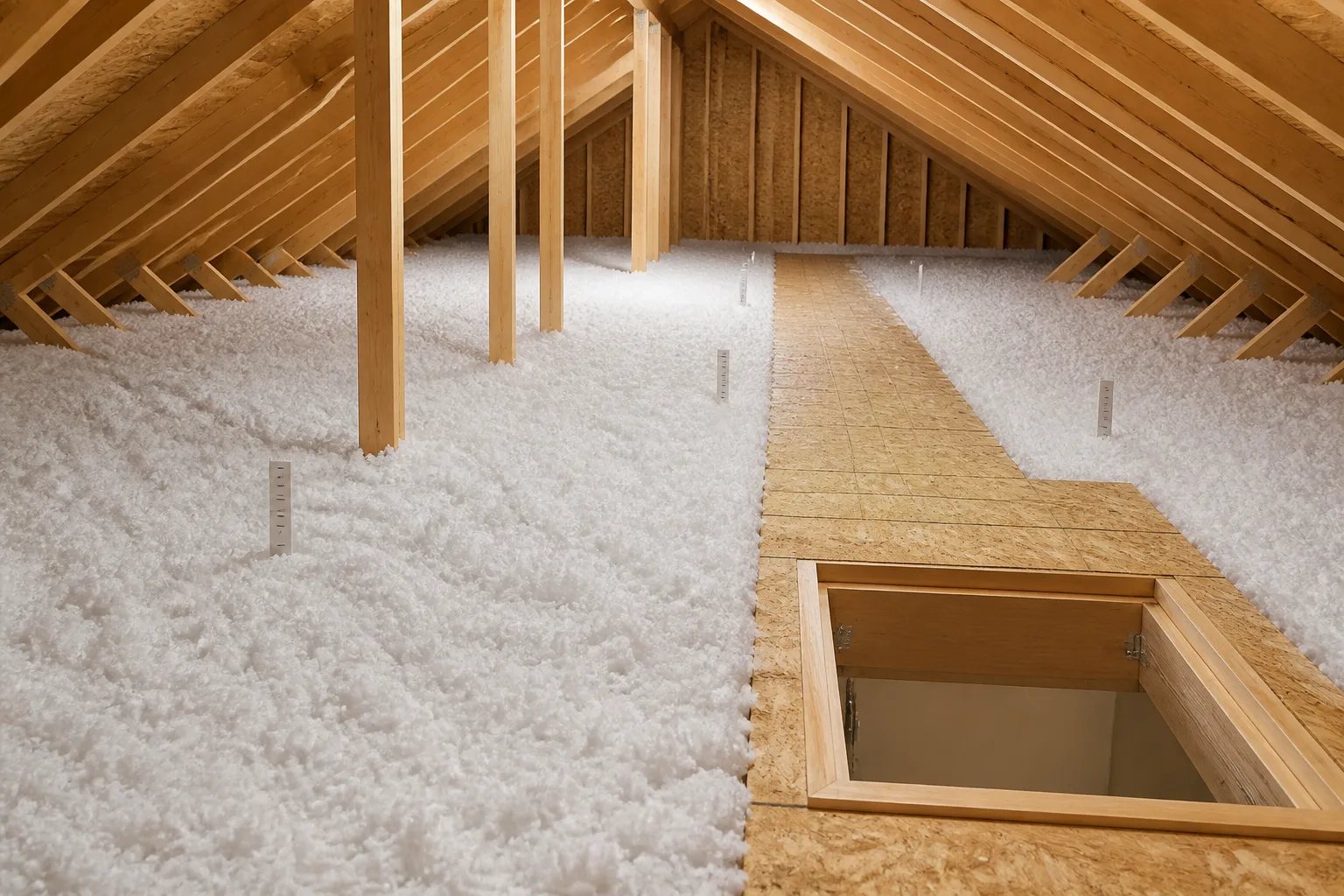
A useful final record can include the starting condition, accessible preparation completed before coverage, intended material and depth, photographs of key details, and any areas that could not be safely accessed. This documentation is useful for future electrical, roofing, renovation, or energy-upgrade planning because it records what is beneath the finished insulation layer.
Insulation can reduce heat flow through the treated ceiling assembly, and air sealing can reduce uncontrolled air movement at accessible gaps. Exact room temperatures, energy use, humidity, and roof performance still depend on factors beyond the attic, including weather, windows, ducts, HVAC distribution, other enclosure areas, and household operation.
Start with the condition, not a default quantity
For an Oakville home, the most useful first step is to understand the existing attic zones and the reason for the work. A clean, dry attic with shallow coverage may support straightforward levelling, preparation, and a top-up. An attic with water damage, contamination, unsafe conditions, or a hidden source of moisture needs a different plan before new insulation is added.
Our attic insulation installation service is built around that sequence: document the accessible condition, define preparation, preserve essential details, and install coverage only where the attic is ready for it.
Helpful answers
Frequently Asked Questions
Get a clearer attic plan before adding insulation
Request an assessment to review accessible insulation, preparation needs, and the next step that fits your attic's condition.