Direct answer
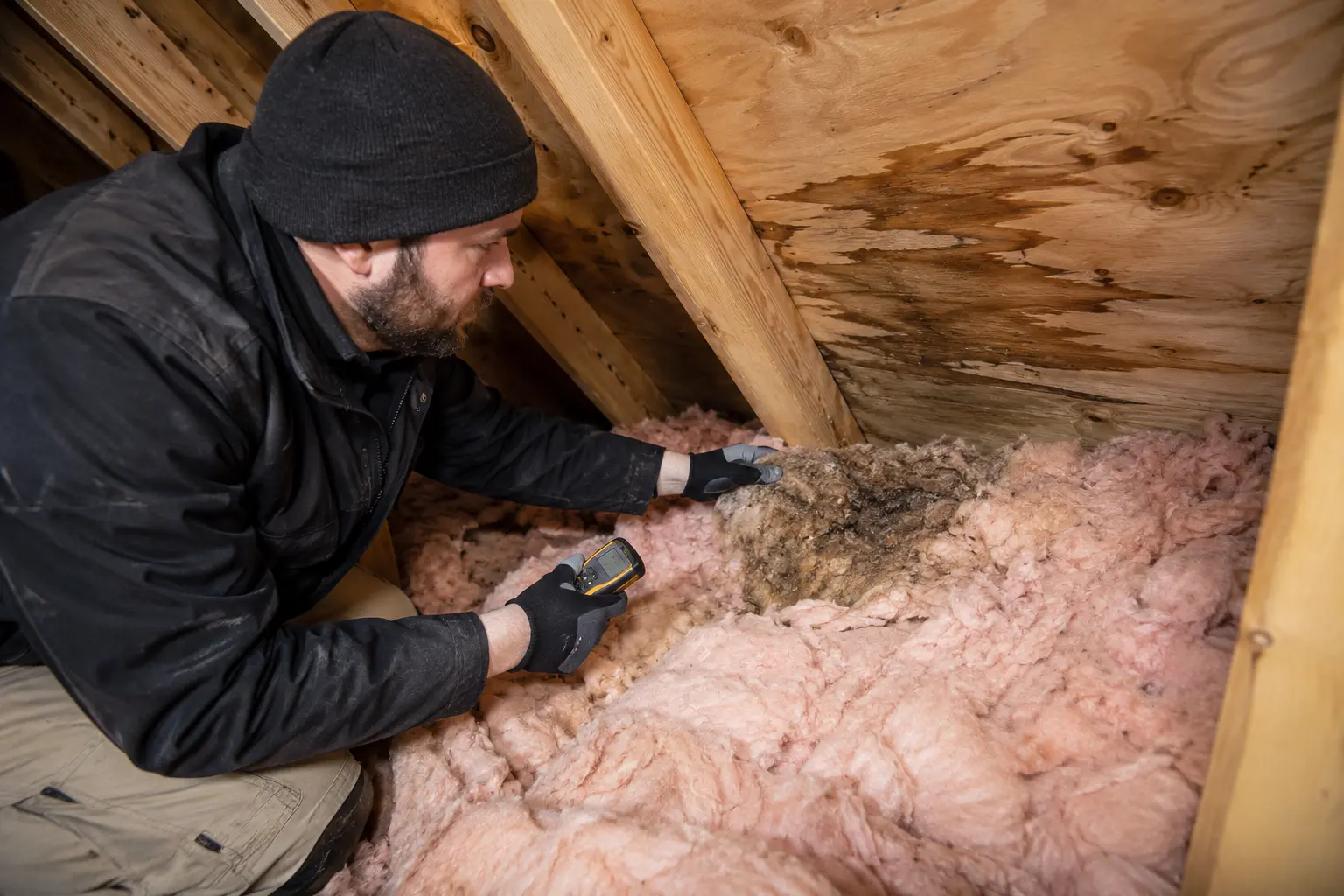
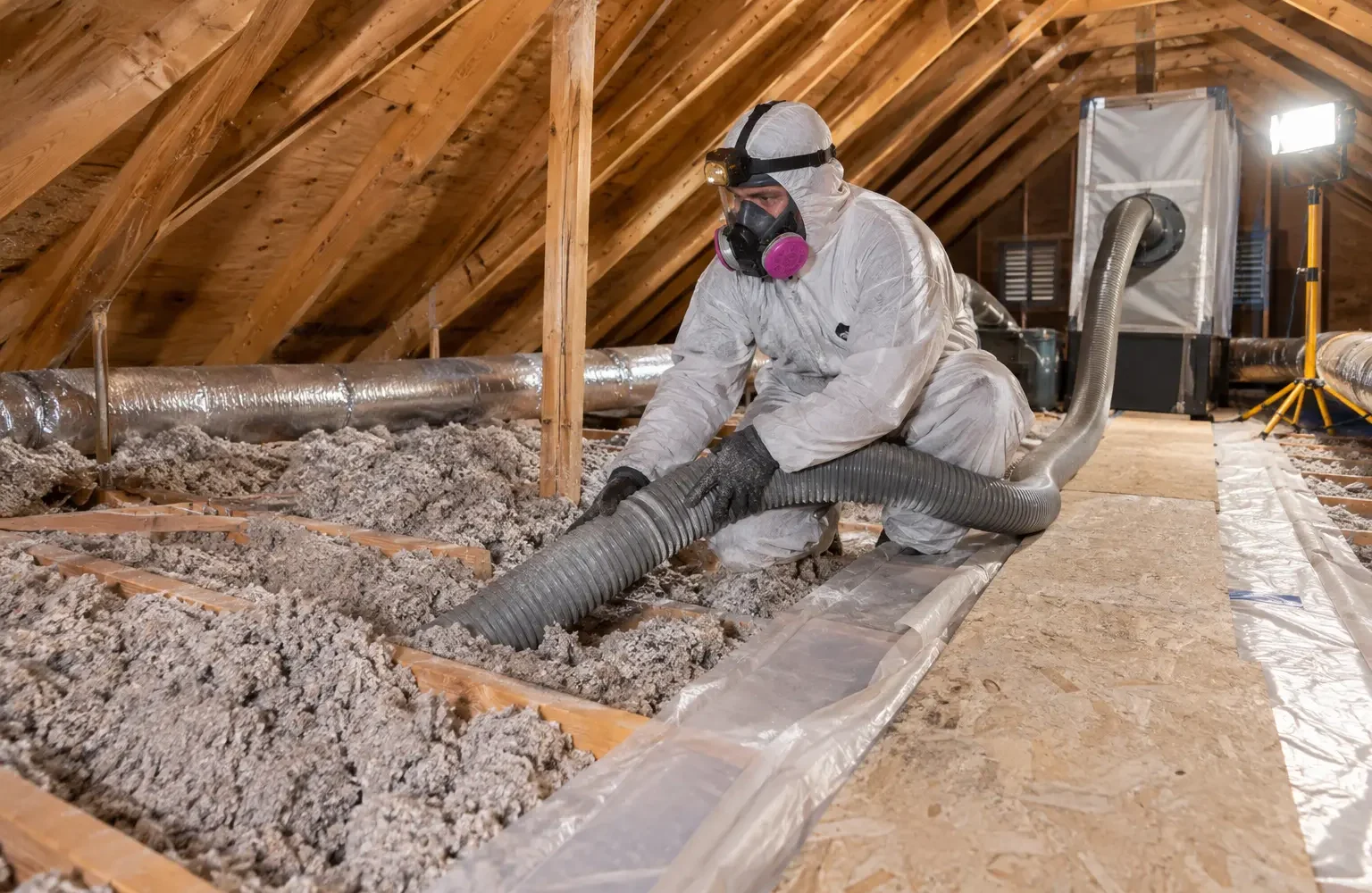
Removal is appropriate when existing insulation cannot responsibly remain—for instance after significant water damage, contamination, widespread disturbance or when access is required for corrective work. It should not be sold as an automatic first step.
Start with the assembly
Plan the work around the existing condition
A removal scope should identify why material is being taken out and what must happen before replacement. If water entered through the roof, the roof must be repaired. If pests or mould are present, the relevant specialist may need to act first. If vermiculite or another suspect material is found, work should pause pending proper assessment.
- Leak-damaged or persistently damp material
- Contamination that ordinary insulation work cannot address
- Widespread mixing, compression or deterioration
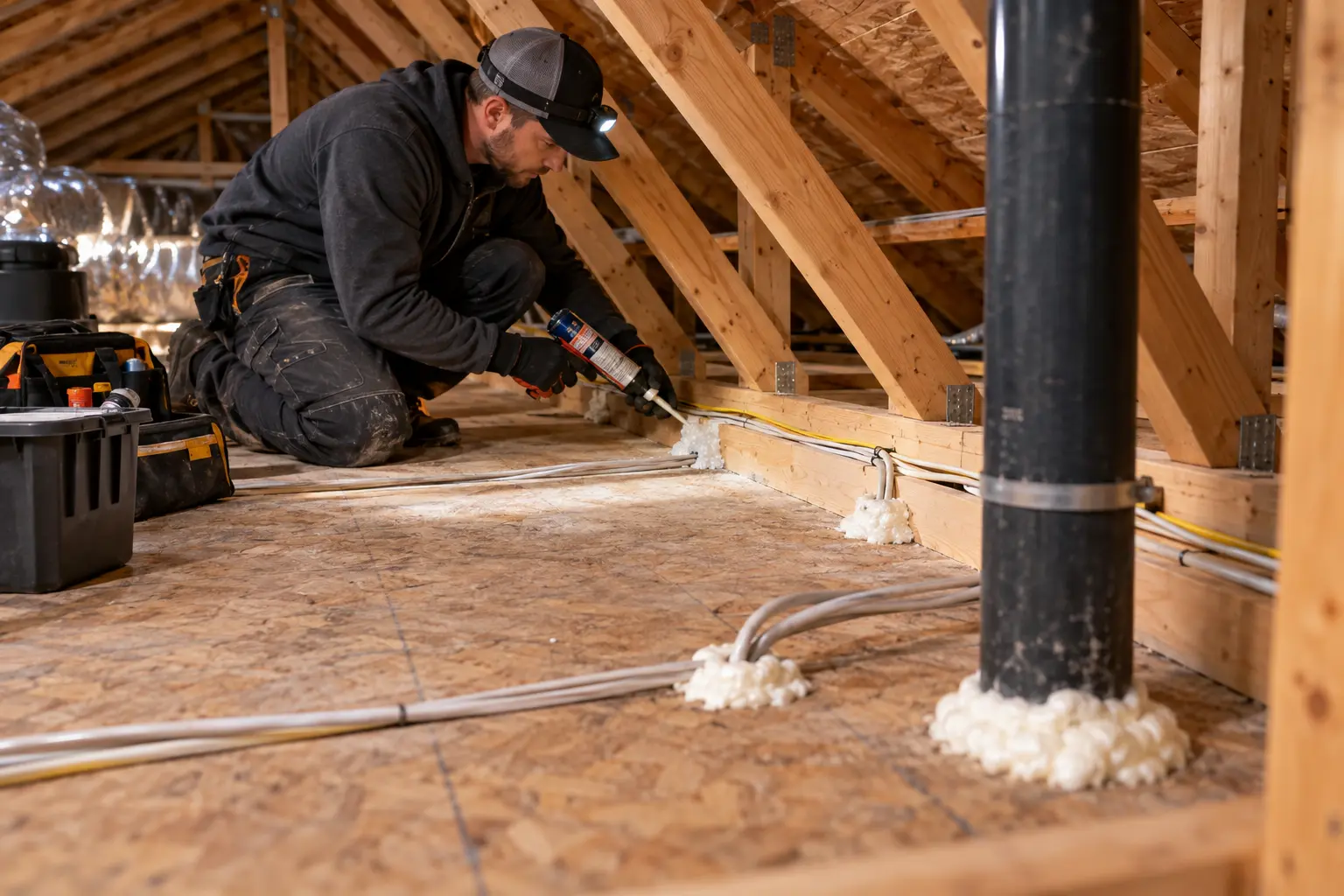
- Corrective air-sealing or wiring work requires clear access
Assessment
What should be checked before the scope is set
- Material type and reason for removal
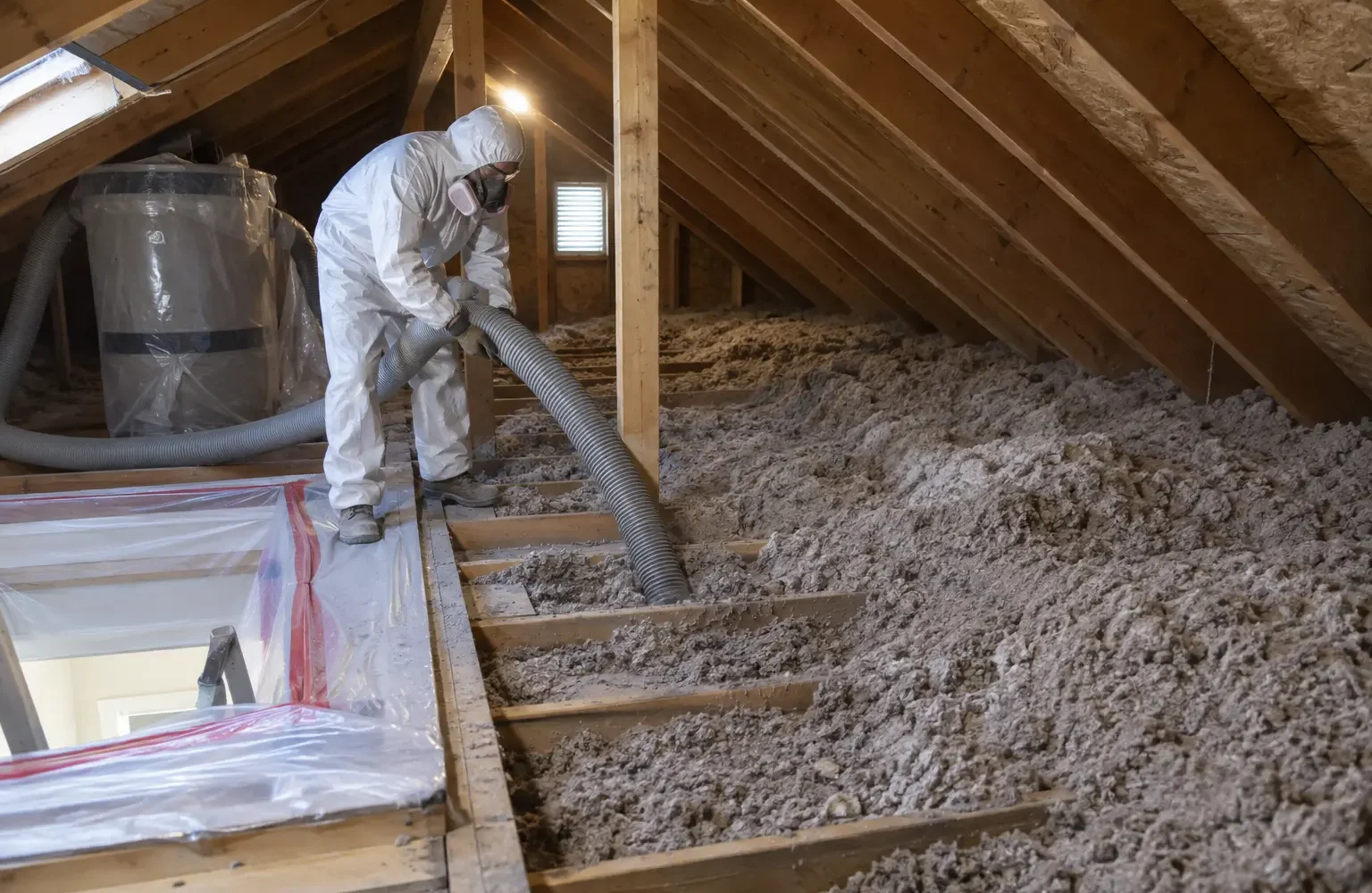
- Safe access, containment and disposal route
- Roof deck, ceiling plane and concealed conditions
- Sequence for repair, preparation and replacement
Possible scope
The work should follow the findings
These are common directions, not automatic inclusions. The final scope depends on access, existing materials and the condition found on site.
Targeted removal around an affected area
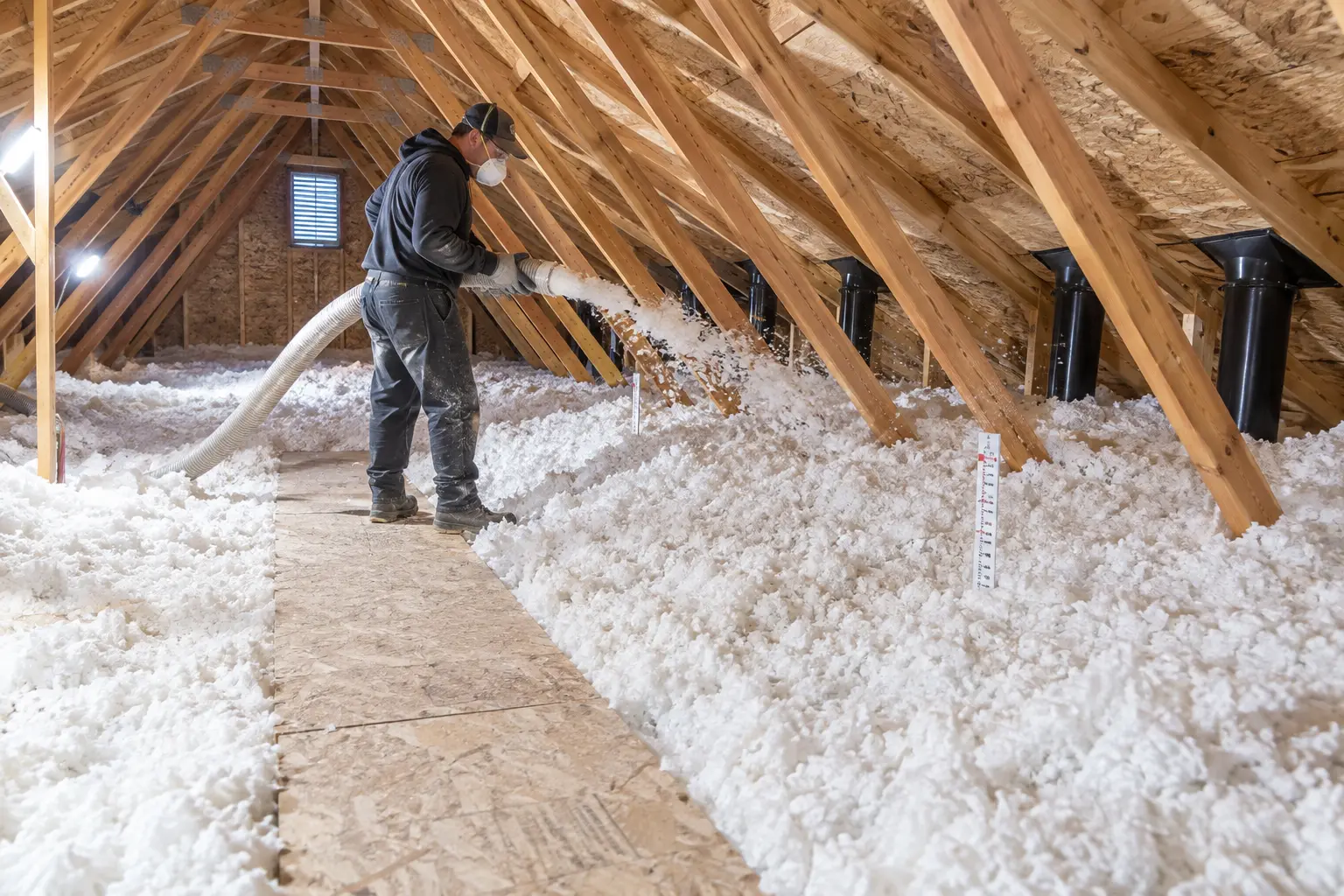
Broader vacuum removal where material is unsuitable throughout
Clean-out, preparation, air sealing and specified replacement
Oakville planning context
How the local housing condition can shape the scope
Oakville’s freeze-thaw weather and summer storms can expose roof or flashing defects. Insulation affected by water should be traced back to the source, and the repair and drying sequence should come before replacement.
Important boundary
Ordinary insulation removal is not asbestos, vermiculite, mould or pest remediation. Those conditions require appropriately qualified assessment and services.
Questions homeowners ask
Insulation Removal & Replacement FAQs
Does all old insulation need to be removed?
No. Age by itself is not enough. Clean, dry and stable material may still contribute thermal value.
How is loose-fill removed?
A large vacuum hose can transfer material to contained collection equipment while access routes are protected.
Can replacement happen the same day?
Sometimes, but only when the attic is ready and no separate repair, drying or specialist work is needed.
Related planning