Direct answer
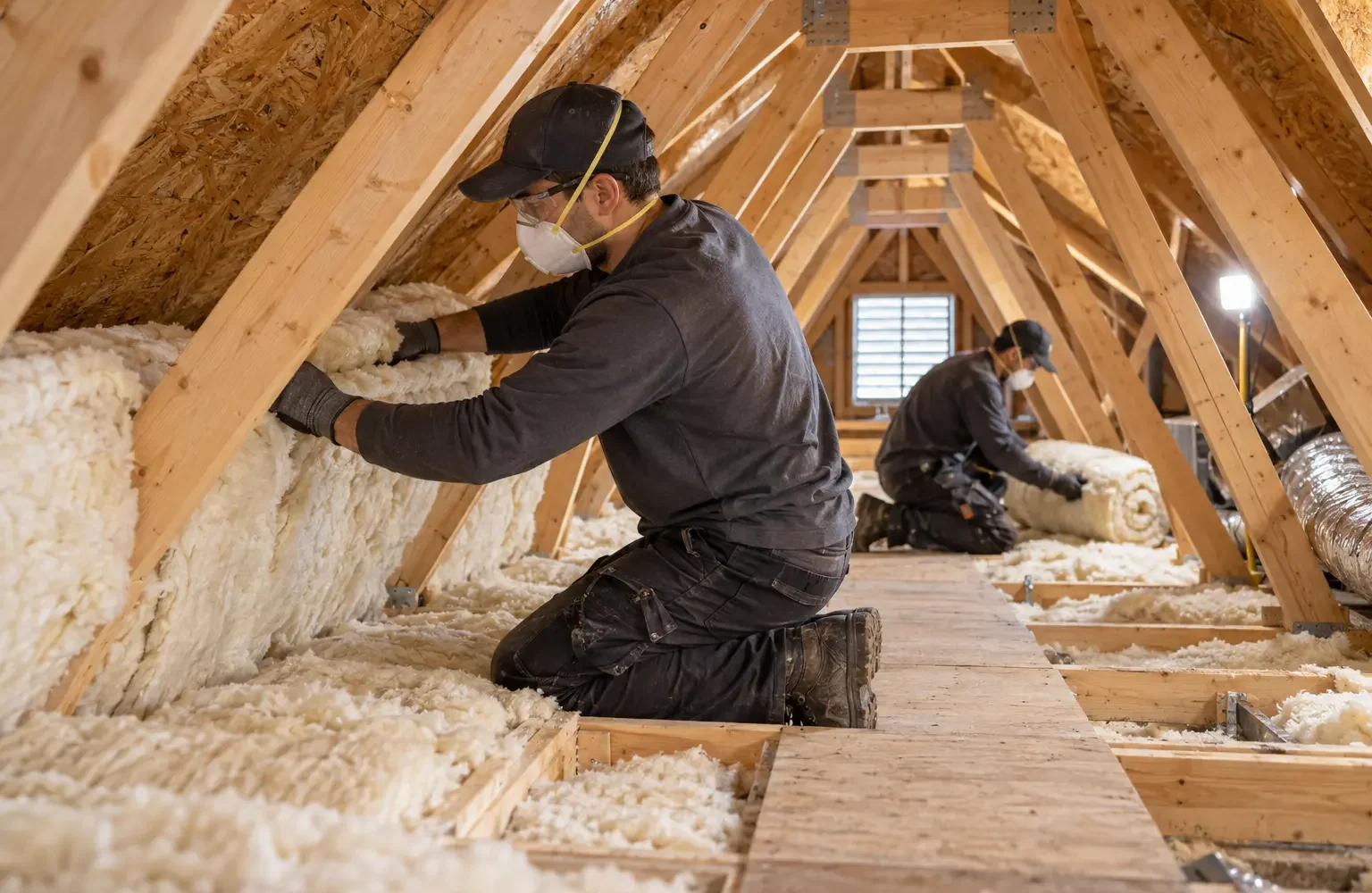
Attic insulation installation should start with the attic that is actually there—not a default quantity of material. Existing depth, coverage, air leakage, ventilation routes, moisture evidence and safe access all affect the right scope.
Start with the assembly
Plan the work around the existing condition
A well-defined installation can improve thermal resistance across the ceiling plane, but insulation performs as part of an assembly. Gaps at top plates and service penetrations can move warm, moist indoor air into the attic. Blocked soffit paths can change airflow. A roof leak can wet otherwise serviceable material. Those conditions need to be identified before the final depth and work sequence are chosen.
- Insulation is visibly thin, settled or missing in sections
- Upper rooms are difficult to keep comfortable across the seasons
- Renovations or trades have disturbed the attic floor coverage
- An energy assessment recommends an attic upgrade
Assessment
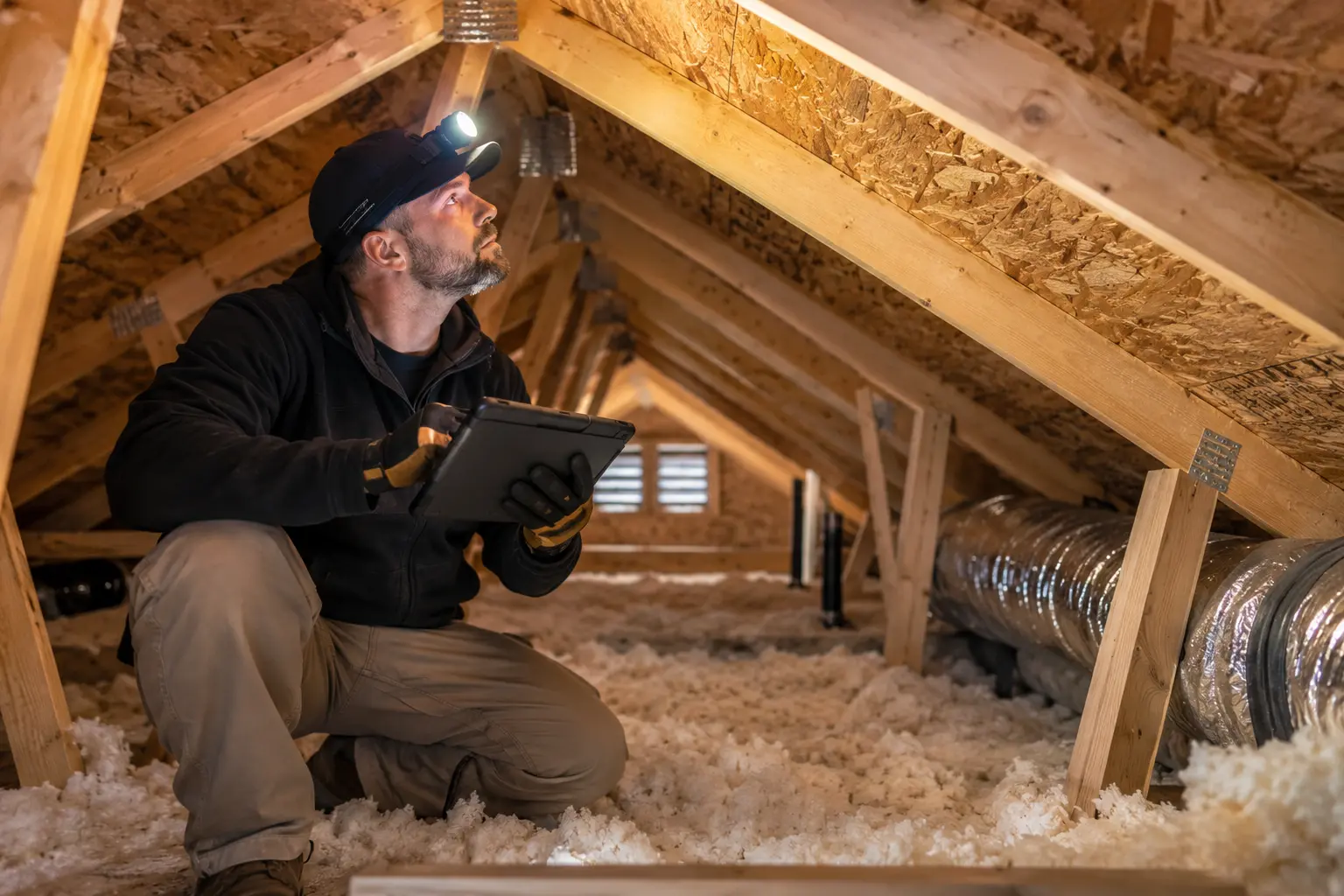
What should be checked before the scope is set
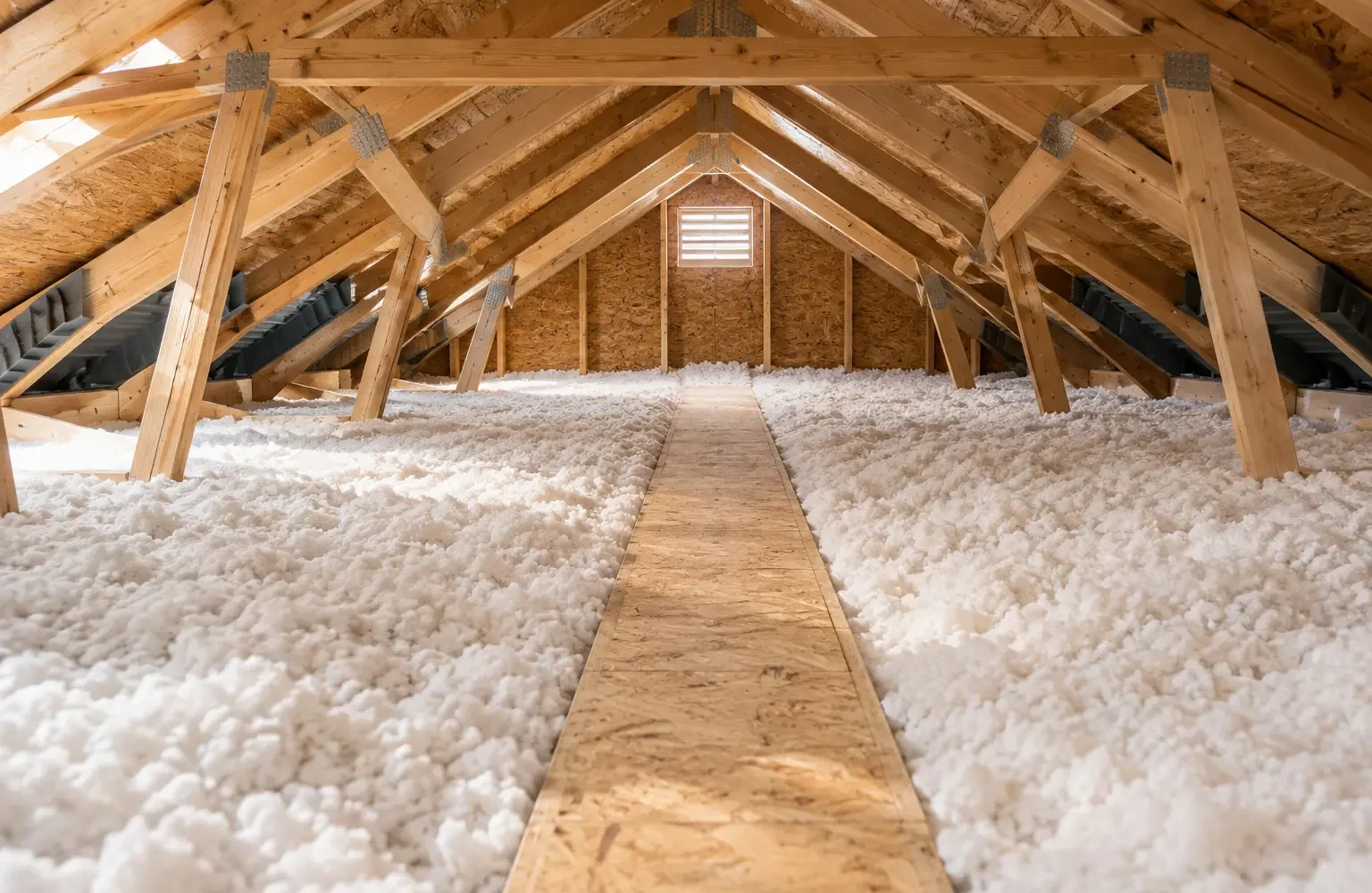
- Existing material, average depth and consistency
- Attic access, service platforms and difficult edges
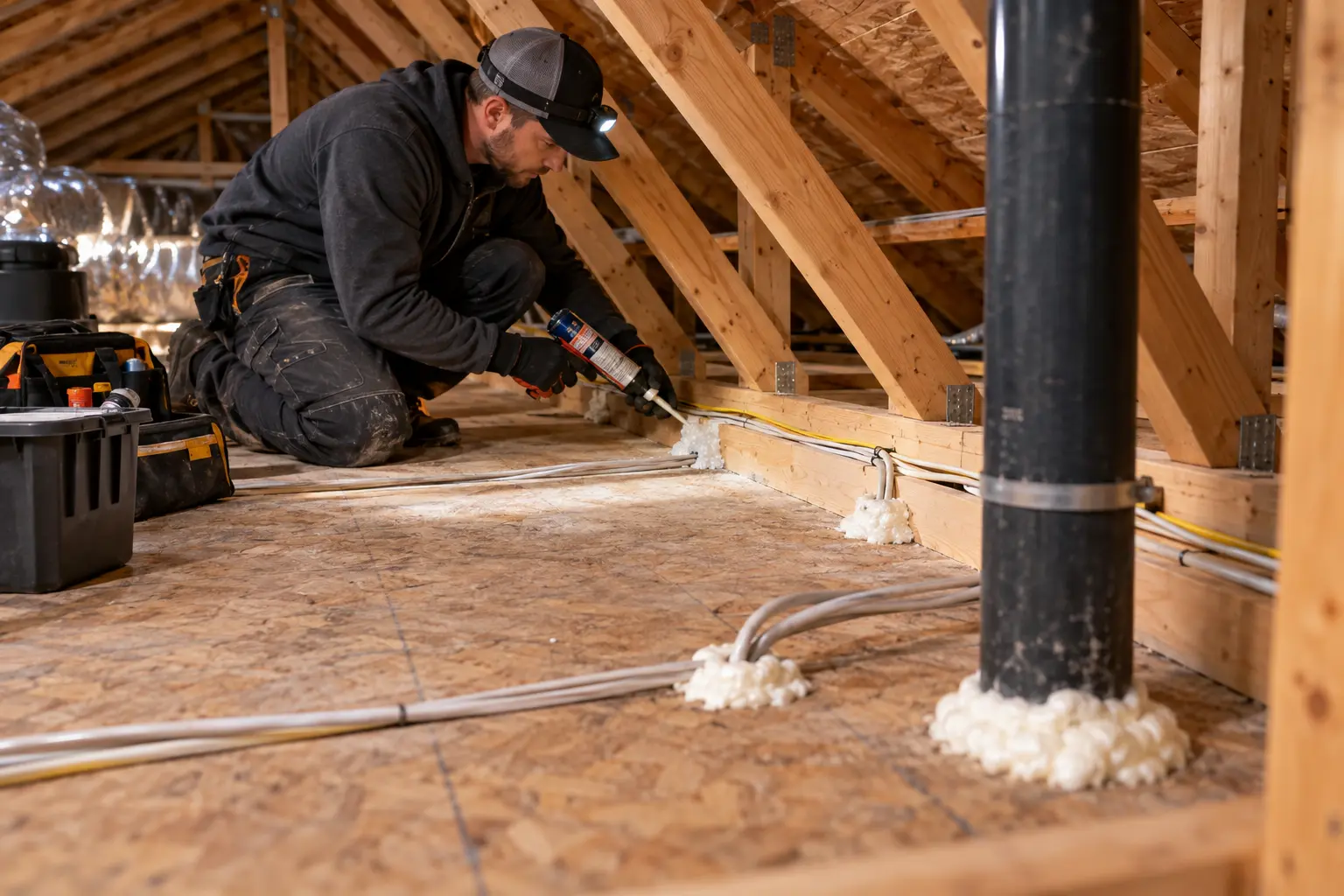
- Air-leak points around wiring, plumbing, lights and partitions
- Soffit baffles, roof vents, exhaust ducts and moisture indicators
Possible scope
The work should follow the findings
These are common directions, not automatic inclusions. The final scope depends on access, existing materials and the condition found on site.
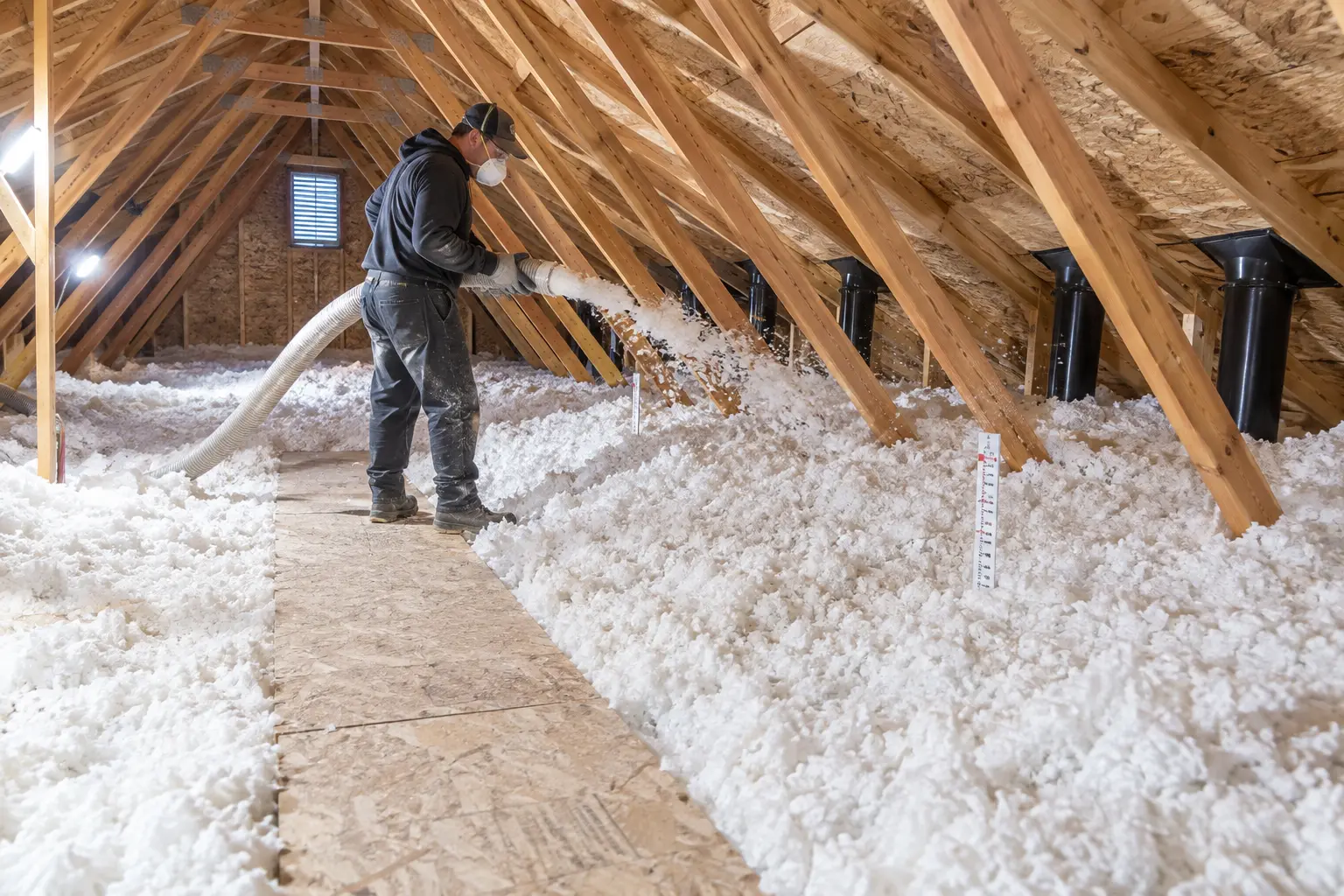
Add compatible loose-fill where existing material is clean and suitable
Prepare and air seal accessible leakage points before insulating
Remove affected material where damage or contamination prevents a responsible top-up
Oakville planning context
How the local housing condition can shape the scope
Oakville homes range from compact bungalows to renovated two-storey properties with dormers, additions and rooms over garages. One roofline can contain several attic zones, so area, access and starting depth should be recorded zone by zone.
Important boundary
An insulation upgrade is not a roof repair, mould service, pest service or hazardous-material remediation. If the inspection identifies a condition requiring a qualified specialist, that work should be resolved before ordinary insulation installation continues.
Questions homeowners ask
Attic Insulation Installation FAQs
How do I know how much attic insulation I need?
Depth alone does not tell the whole story. Material type, installed density, existing condition, coverage and the target thermal resistance all matter. An assessment should record the starting condition before a scope is set.
Can new insulation go over old insulation?
Often it can, when existing material is dry, clean, stable and compatible. Wet, contaminated or severely disturbed material may need a different plan.
Should air sealing happen first?
Accessible leakage points are normally considered before the final insulation layer because they become harder to reach afterward.
Related planning