Direct answer
An attic assessment should distinguish between a straightforward top-up and a condition that needs preparation, removal, ventilation correction or specialist attention first.
Start with the assembly
Plan the work around the existing condition
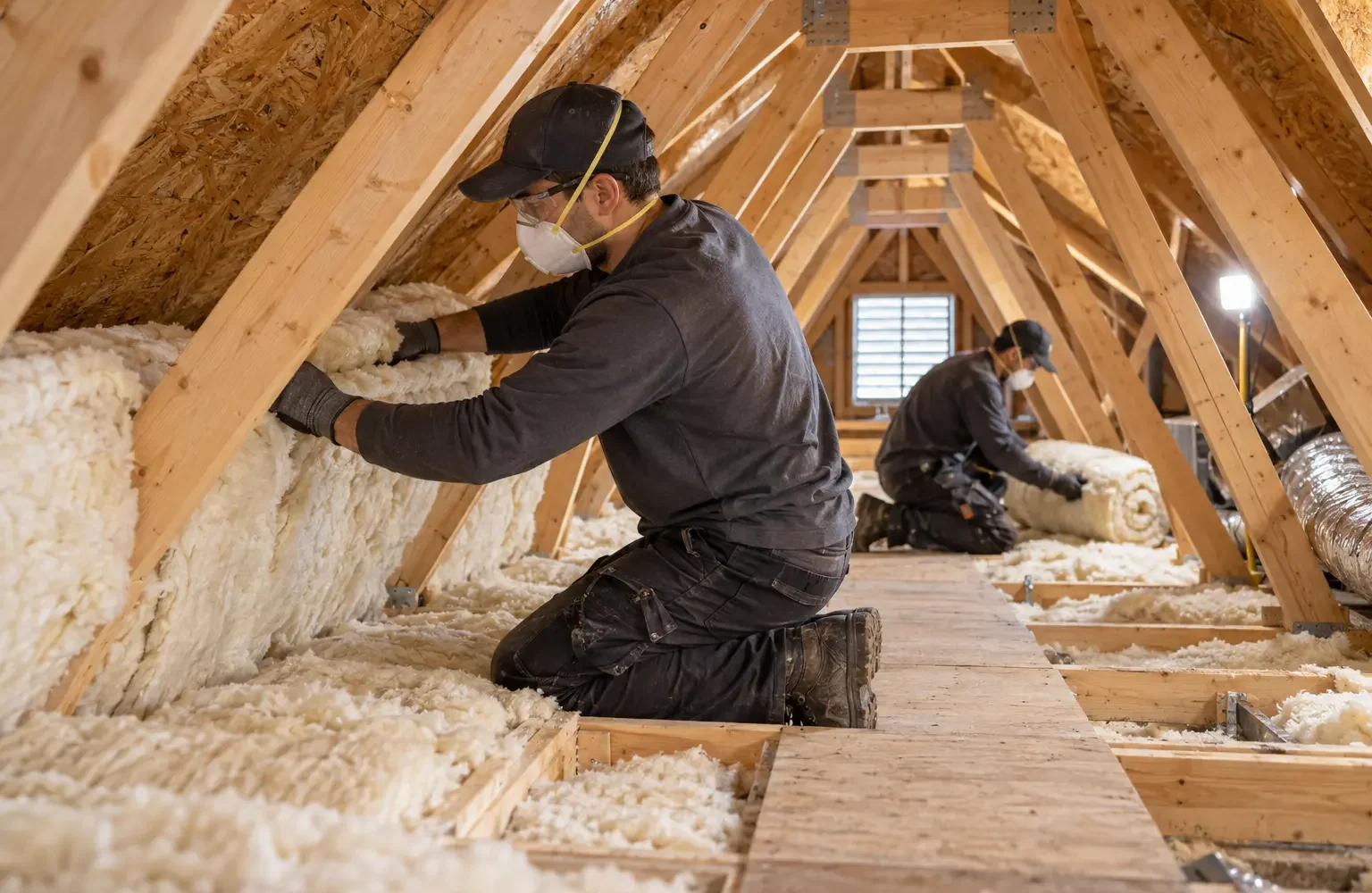
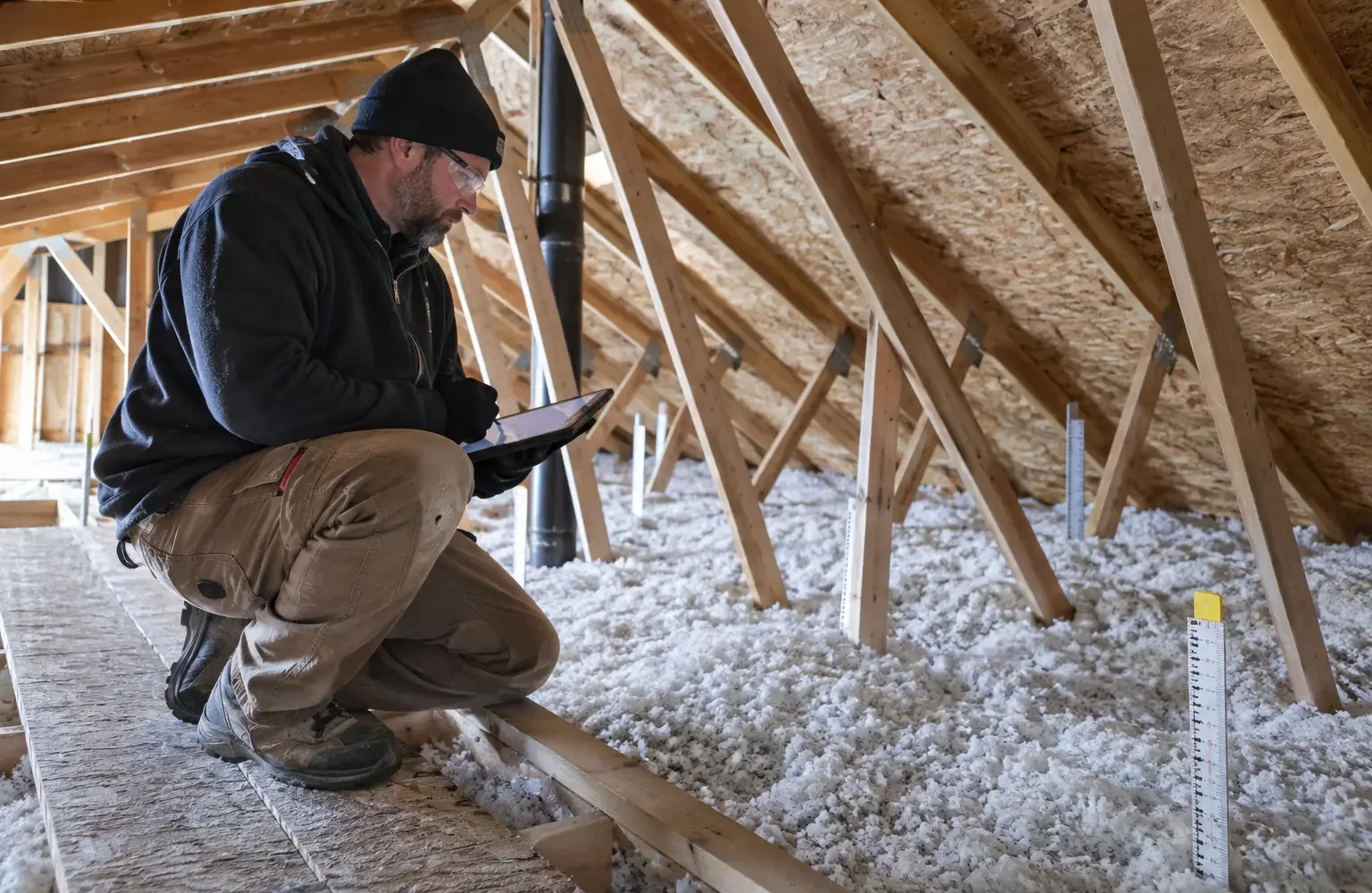
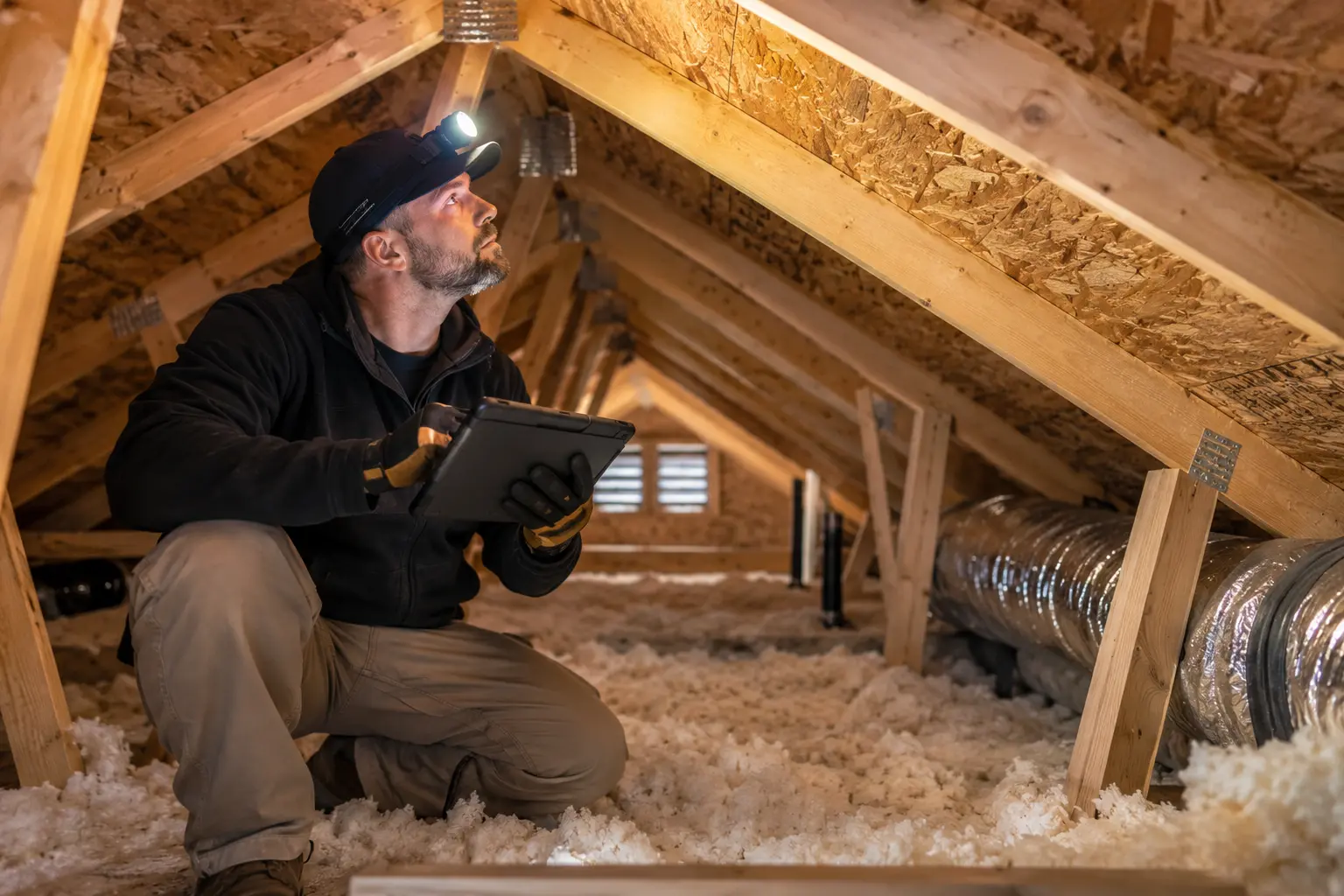
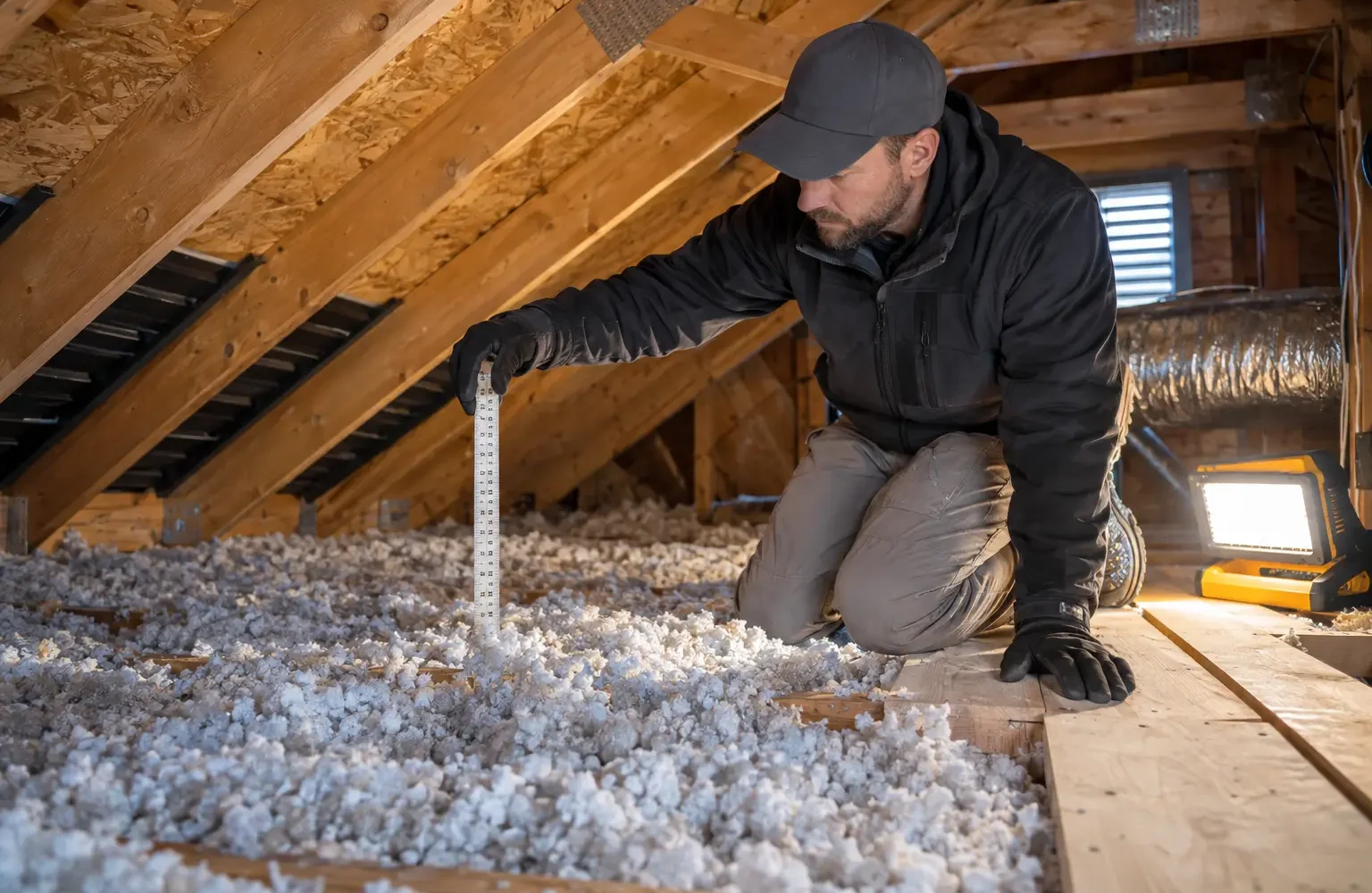
A useful assessment records more than a single depth reading. Attics change across additions, dormers, eaves, garages and renovated areas. The review should measure multiple zones and note material condition, access, baffles, ducts, roof-deck evidence and visible service penetrations.
- Second-floor comfort varies by room or season
- Insulation depth or material is unknown
- Condensation, frost or staining has been noticed
- A rebate, renovation or home purchase prompts a closer review
Assessment
What should be checked before the scope is set
- Material type, depth and distribution
- Roof deck, framing and signs of water entry
- Exhaust ducts, baffles and vents
- Accessible air-leak points and hatch condition
Possible scope
The work should follow the findings
These are common directions, not automatic inclusions. The final scope depends on access, existing materials and the condition found on site.
Document existing conditions with photographs and notes
Identify work that should precede insulation
Define a focused top-up, replacement or related scope
Oakville planning context
How the local housing condition can shape the scope
An Oakville inspection is more useful when the homeowner shares the home’s age, addition history, affected rooms, roof-leak history and any energy report. Those clues help connect the attic geometry to the concern below.
Important boundary
A visual attic assessment is not a structural engineering report, hazardous-material survey, mould assessment, pest inspection or roof certification.
Questions homeowners ask
Attic Inspections & Assessments FAQs
Can every attic be fully inspected?
No. Low slopes, blocked access and fragile finishes may limit reach. The assessment should state those limits.
Is thermal imaging part of an attic inspection?
It may support a broader assessment under suitable temperature conditions, but it does not replace direct investigation.
What should I prepare?
Share any leak history, renovation records, comfort complaints and energy reports, and clear the area beneath the attic hatch.
Related planning