Direct answer
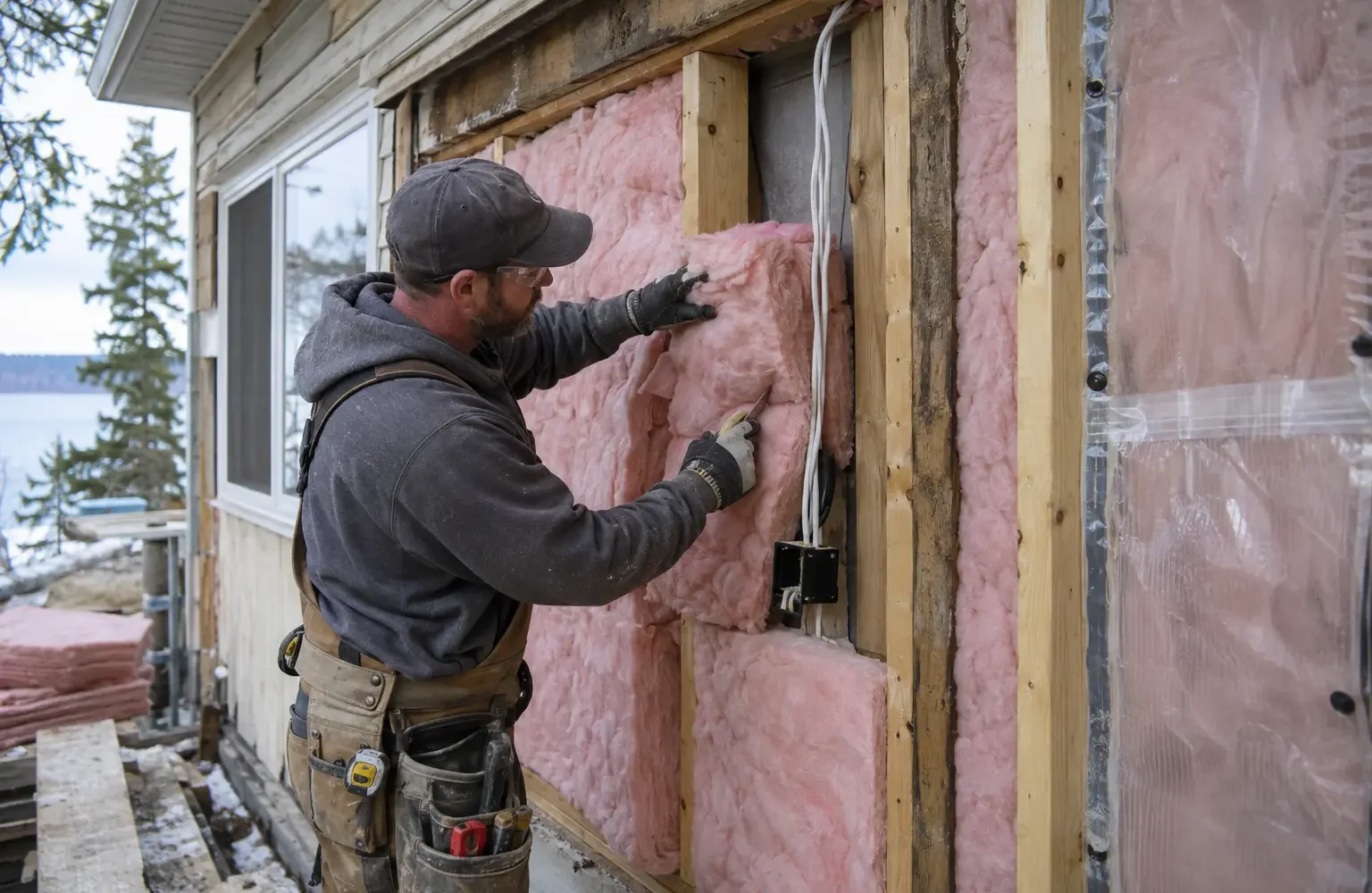
Wall insulation is most straightforward when framing is open. Existing finished walls require a different evaluation because cavity size, fire stops, services and existing material may be hidden.
Start with the assembly
Plan the work around the existing condition
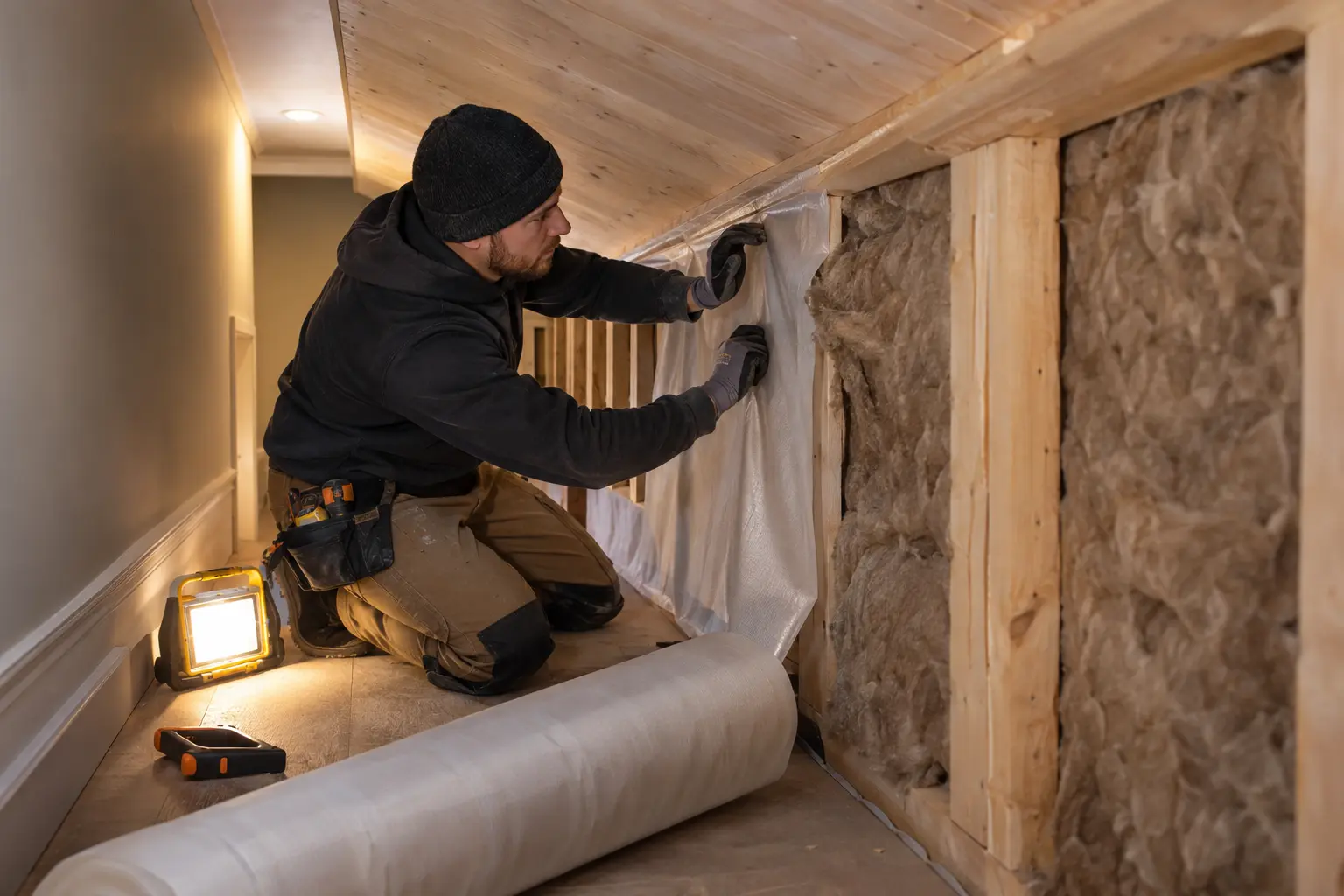
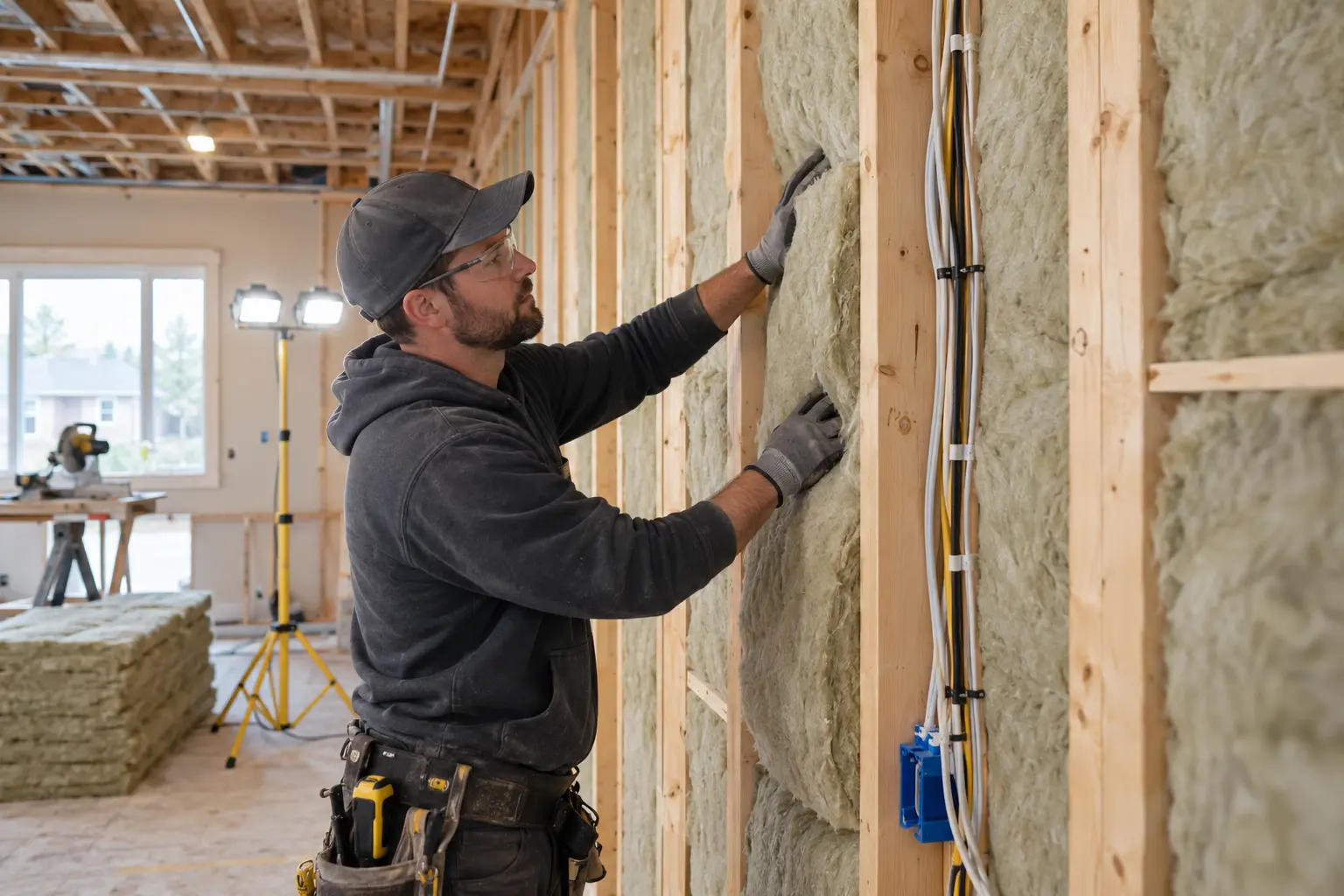
Good installation fills the intended cavity without gaps, folds or excessive compression. Thermal bridges through framing remain, and the wall still needs appropriate air, water and vapour control for its location and construction.
- Exterior walls are open during renovation
- An addition needs insulation before finishes
- Known empty cavities are accessible
- Kneewalls or garage-adjacent walls need continuity
Assessment
What should be checked before the scope is set
- Stud depth, spacing and obstructions
- Existing sheathing and control layers
- Electrical boxes, plumbing and fire blocks
- Interior and exterior moisture exposure
Possible scope
The work should follow the findings
These are common directions, not automatic inclusions. The final scope depends on access, existing materials and the condition found on site.
Fitted fibreglass or mineral-wool batts
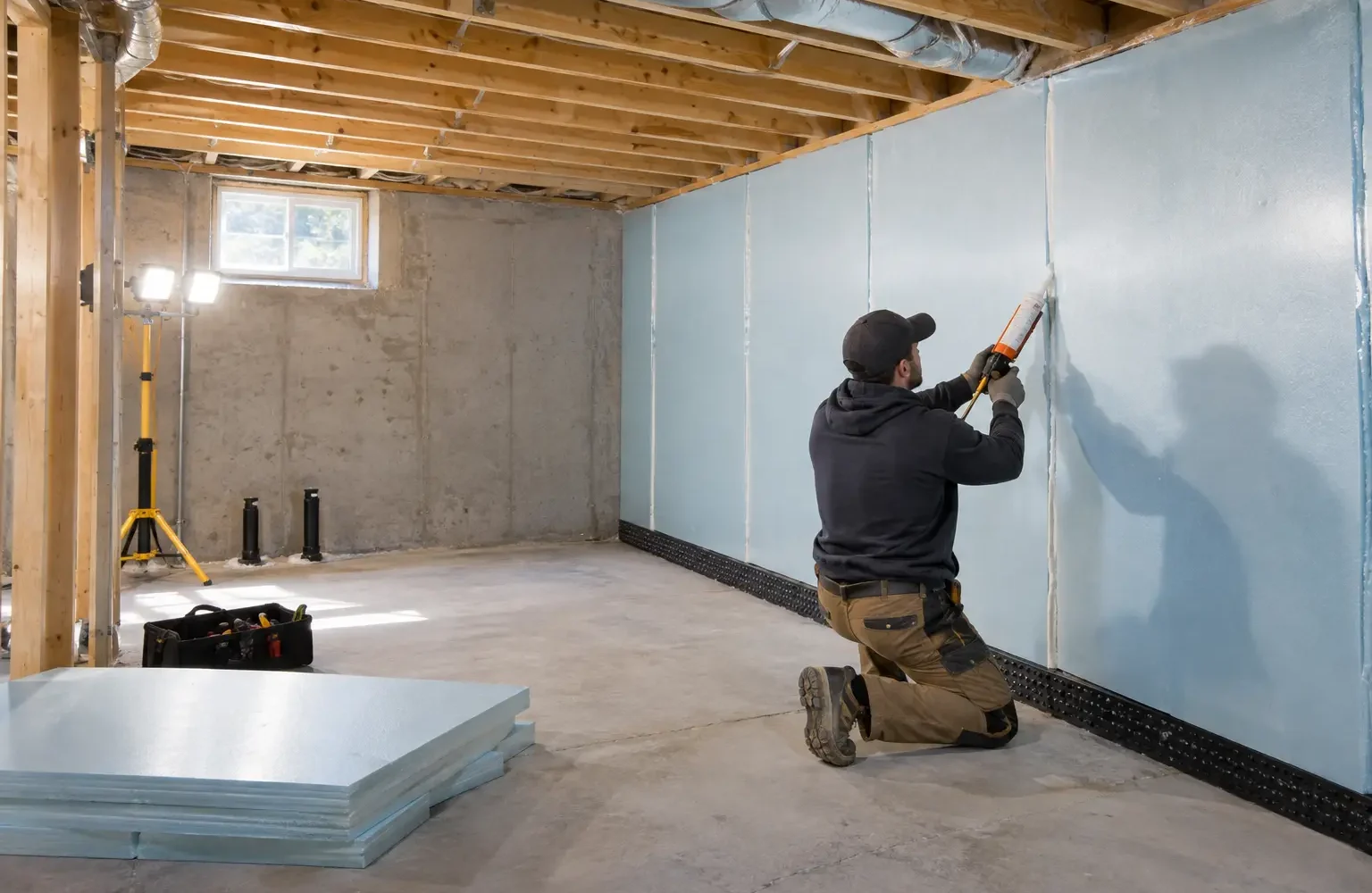
Rigid insulation in suitable assemblies
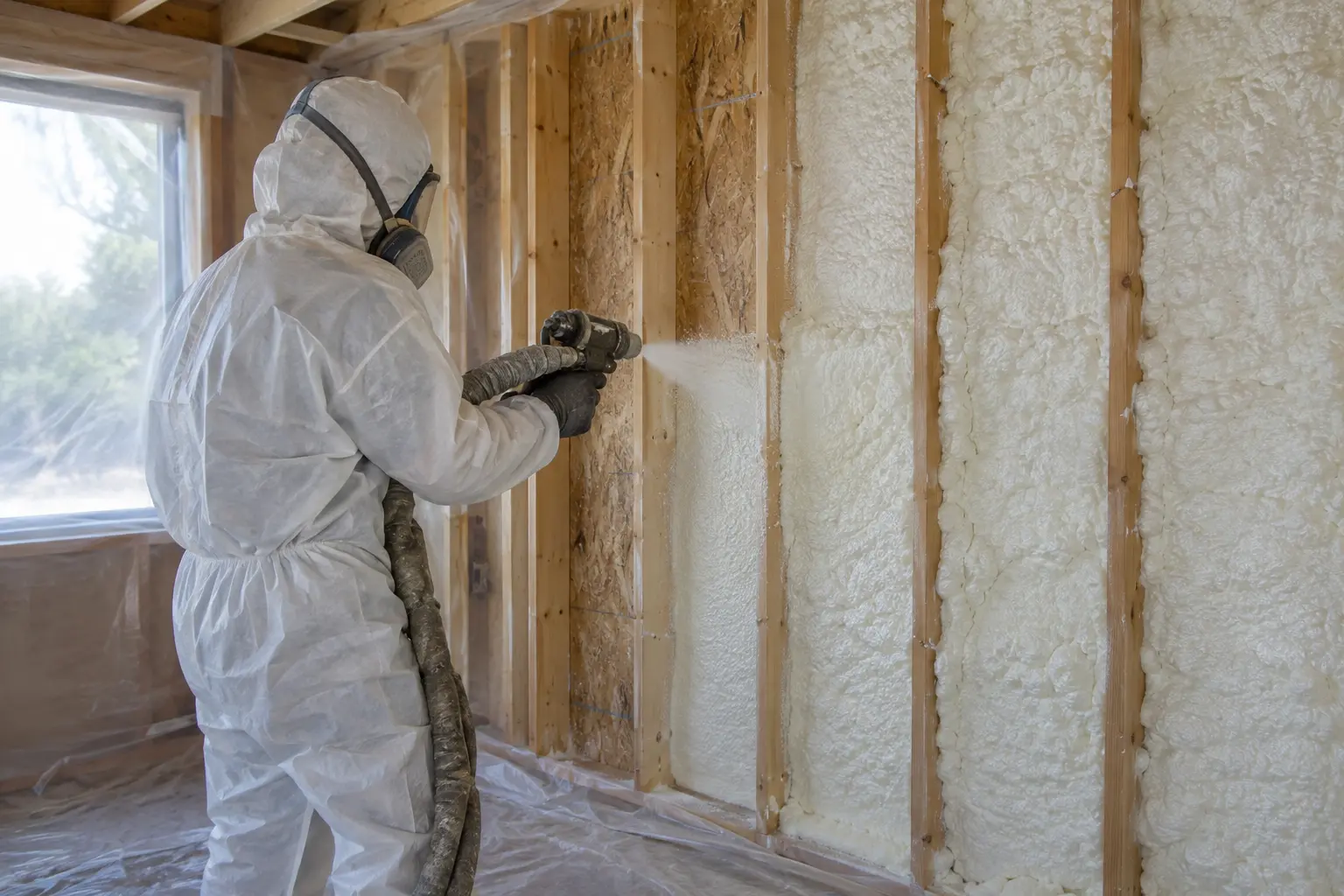
Project-specific retrofit fill for verified cavities
Oakville planning context
How the local housing condition can shape the scope
Oakville wall assemblies vary by age, cladding, renovation history and interior finish. A wall upgrade should be based on verified cavity conditions and a moisture-aware assembly, not only the space available for material.
Important boundary
Finished-wall work may require drilling or opening finishes and cannot guarantee uniform fill without understanding the cavity. Exterior retrofit systems fall outside a simple cavity-fill scope.
Questions homeowners ask
Wall Insulation FAQs
Can walls be insulated without removing drywall?
Some cavities may be filled through access holes, but obstructions and existing material can affect results.
Does thicker always mean better?
Thermal value matters, but fit, continuity and the rest of the wall assembly also determine performance.
Can insulation reduce sound?
Fibre insulation can help within a complete acoustic assembly, but sound control also depends on mass, sealing and structural paths.
Related planning