Direct answer
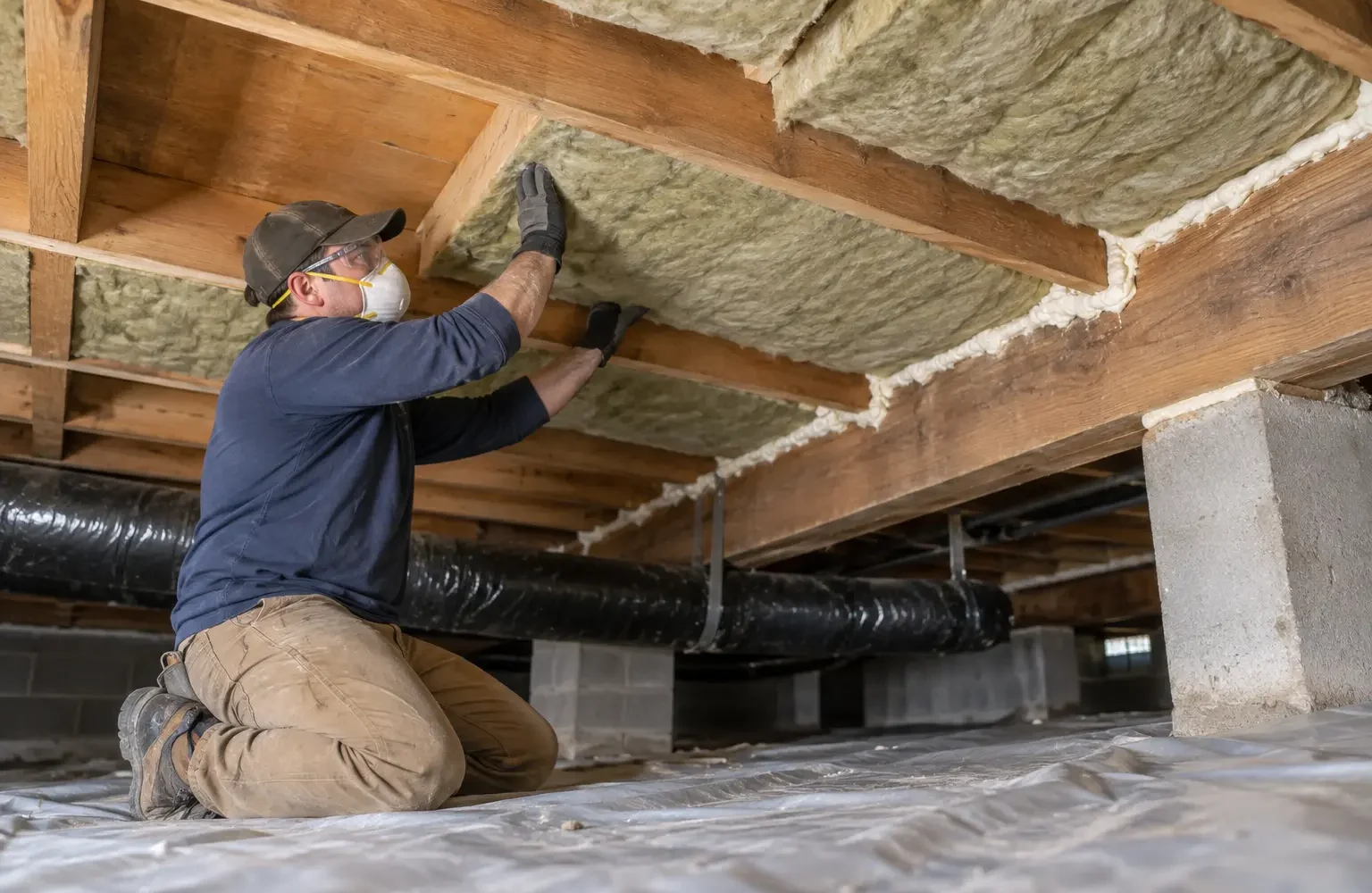
Floors above unconditioned space can lose heat through joist cavities and perimeter transitions. Insulation needs full contact with the floor above, durable support and control of accessible air paths.
Start with the assembly
Plan the work around the existing condition
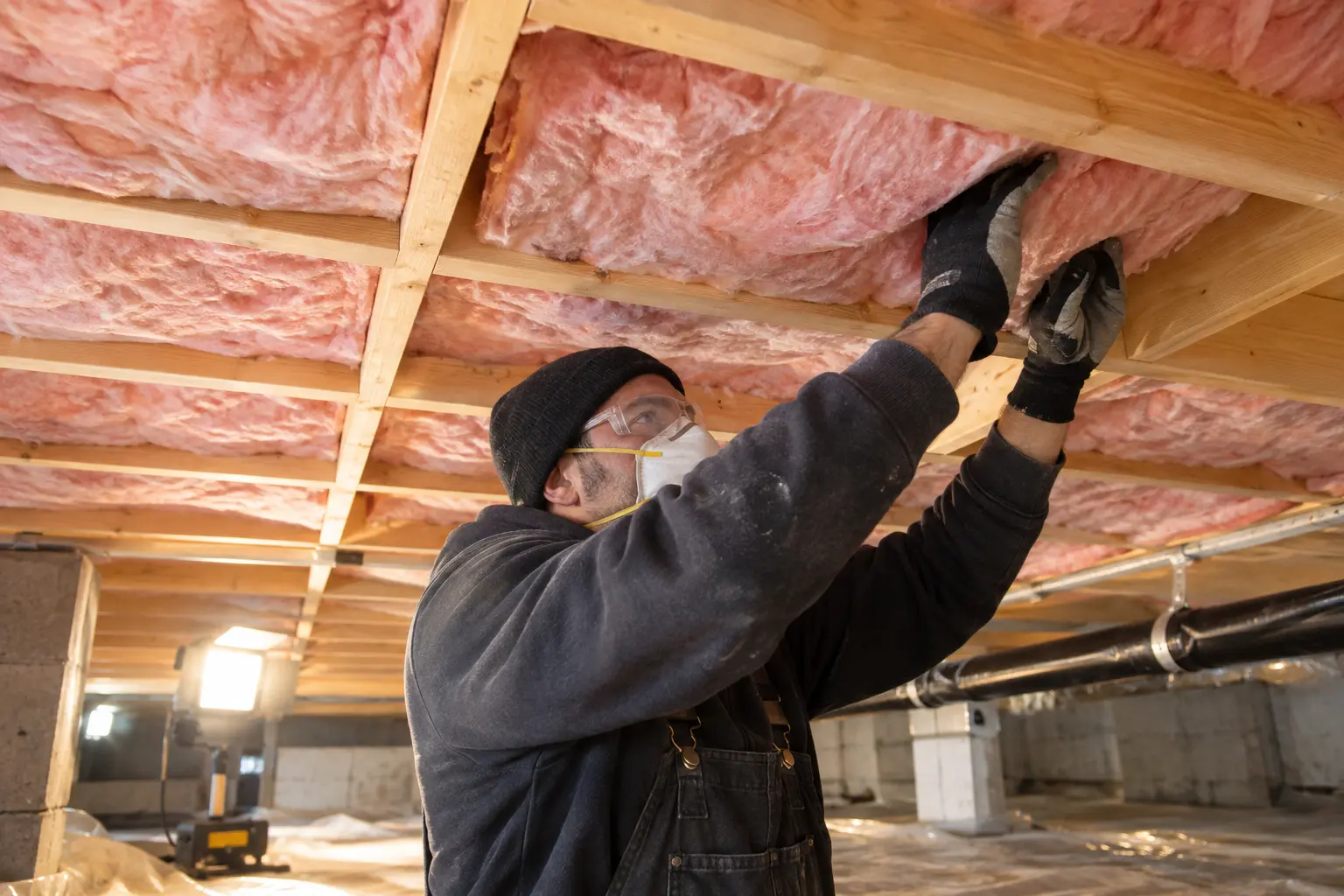
Batts that sag to the bottom of deep joists leave a moving air space against the subfloor. Overhangs and cantilevers also have exterior boundary details that may be difficult to reach. The scope should distinguish open framing from concealed assemblies.
- Cold floor above an overhang or open area
- Batts have fallen from accessible joists
- A porch or addition floor is open for renovation
- An energy assessment identifies exposed-floor losses
Assessment
What should be checked before the scope is set
- Joist depth, orientation and blocking
- Contact with the subfloor and support method
- Perimeter air leakage and wind exposure
- Plumbing and other freeze-sensitive services
Possible scope
The work should follow the findings
These are common directions, not automatic inclusions. The final scope depends on access, existing materials and the condition found on site.
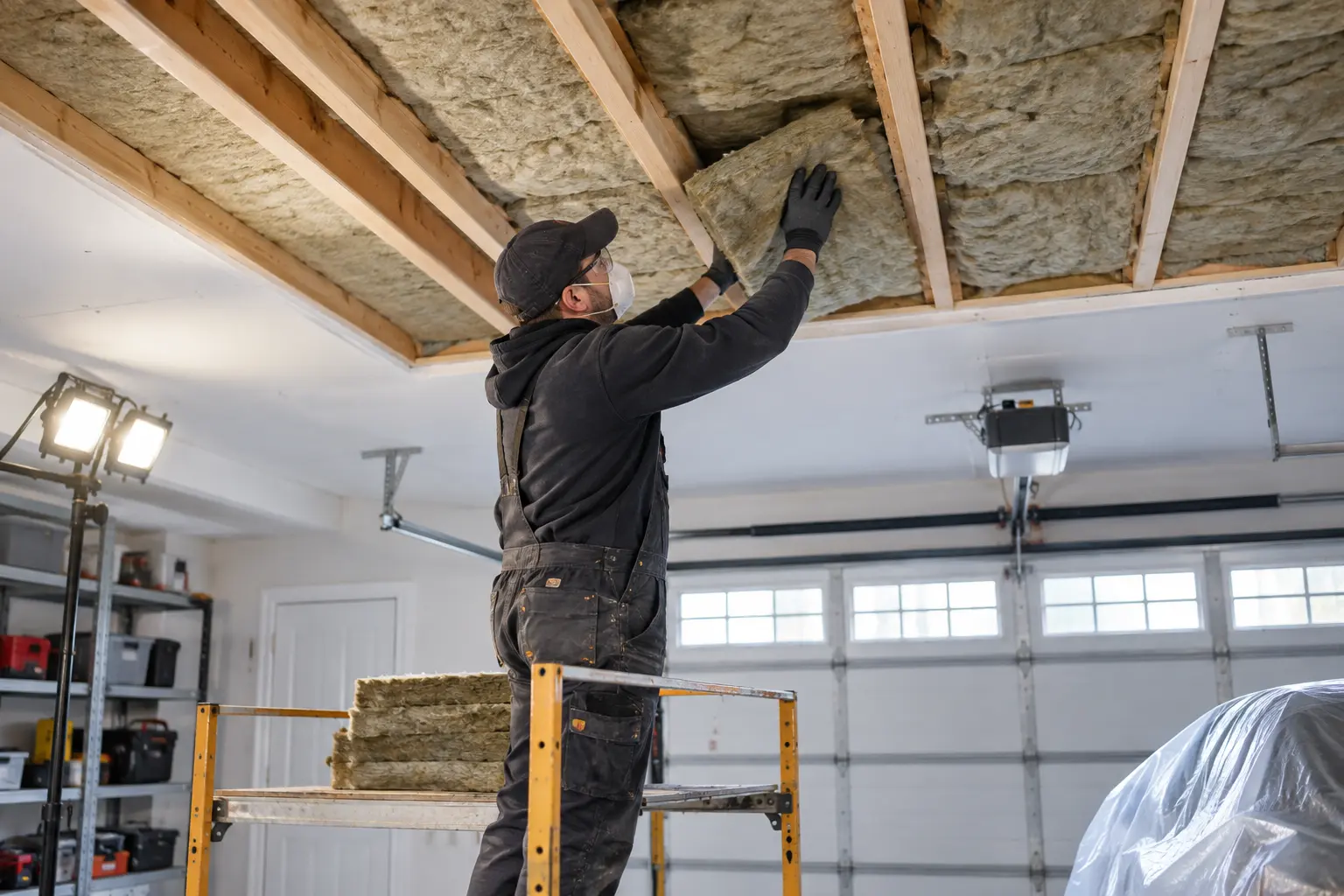
Fitted batts with durable retention
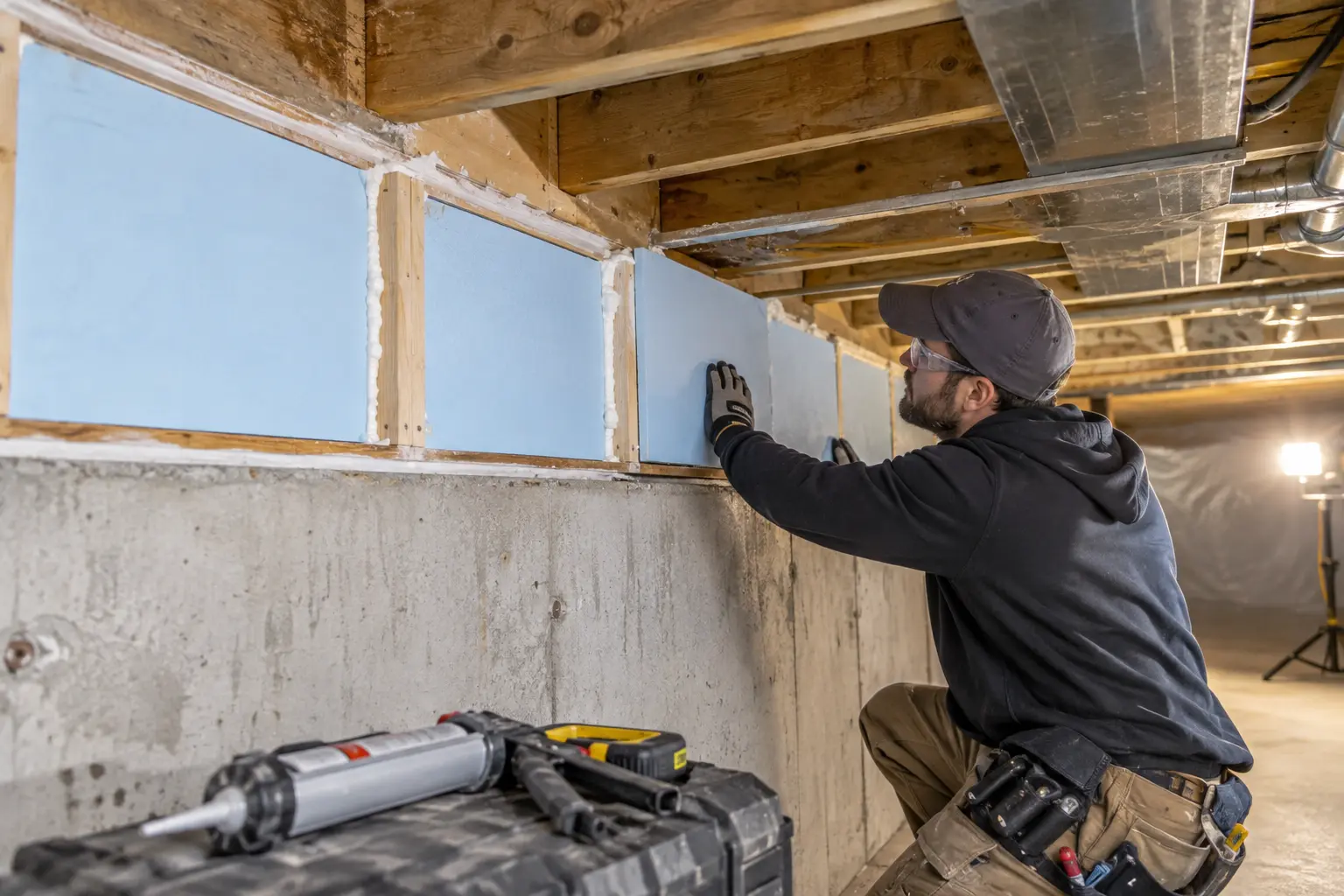
Rigid insulation in appropriate exterior details
Sealing accessible perimeter gaps before insulating
Oakville planning context
How the local housing condition can shape the scope
Floors over crawlspaces, exterior air or other unconditioned areas can have different wind, moisture and service exposures. Oakville’s seasonal temperature swings make edge sealing and continuous contact worth close attention.
Important boundary
Cold floors can also reflect air leakage, foundation conditions or heating distribution. Concealed cavities may limit inspection.
Questions homeowners ask
Exposed Floor Insulation FAQs
Why must insulation touch the floor above?
Gaps allow air movement that can bypass the intended thermal layer.
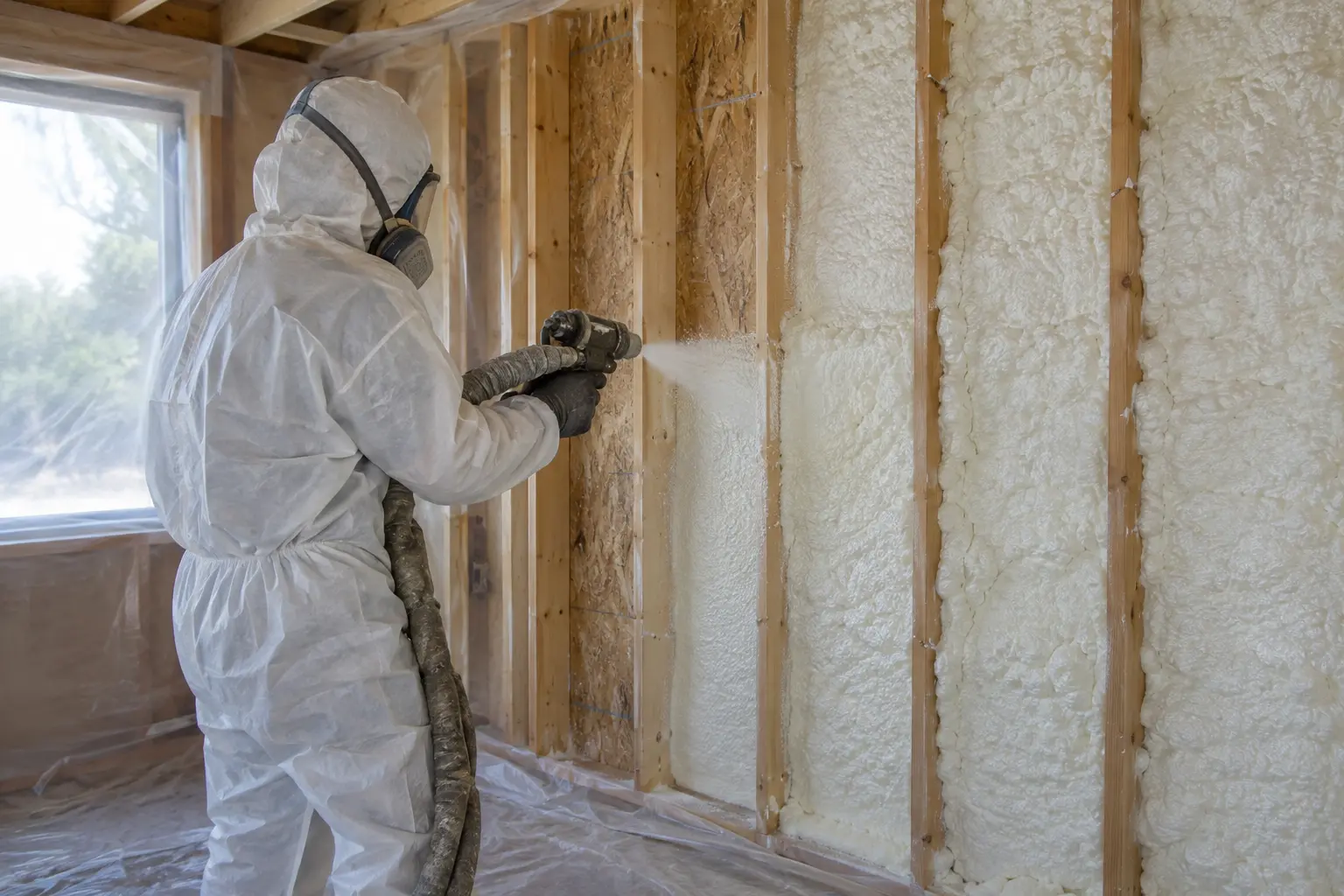
Can spray foam be used?
It may suit some assemblies, but moisture, fire protection and access requirements must be considered.
Is a vapour barrier required?
That depends on the assembly, materials and code conditions; it should not be guessed from one surface.
Related planning