
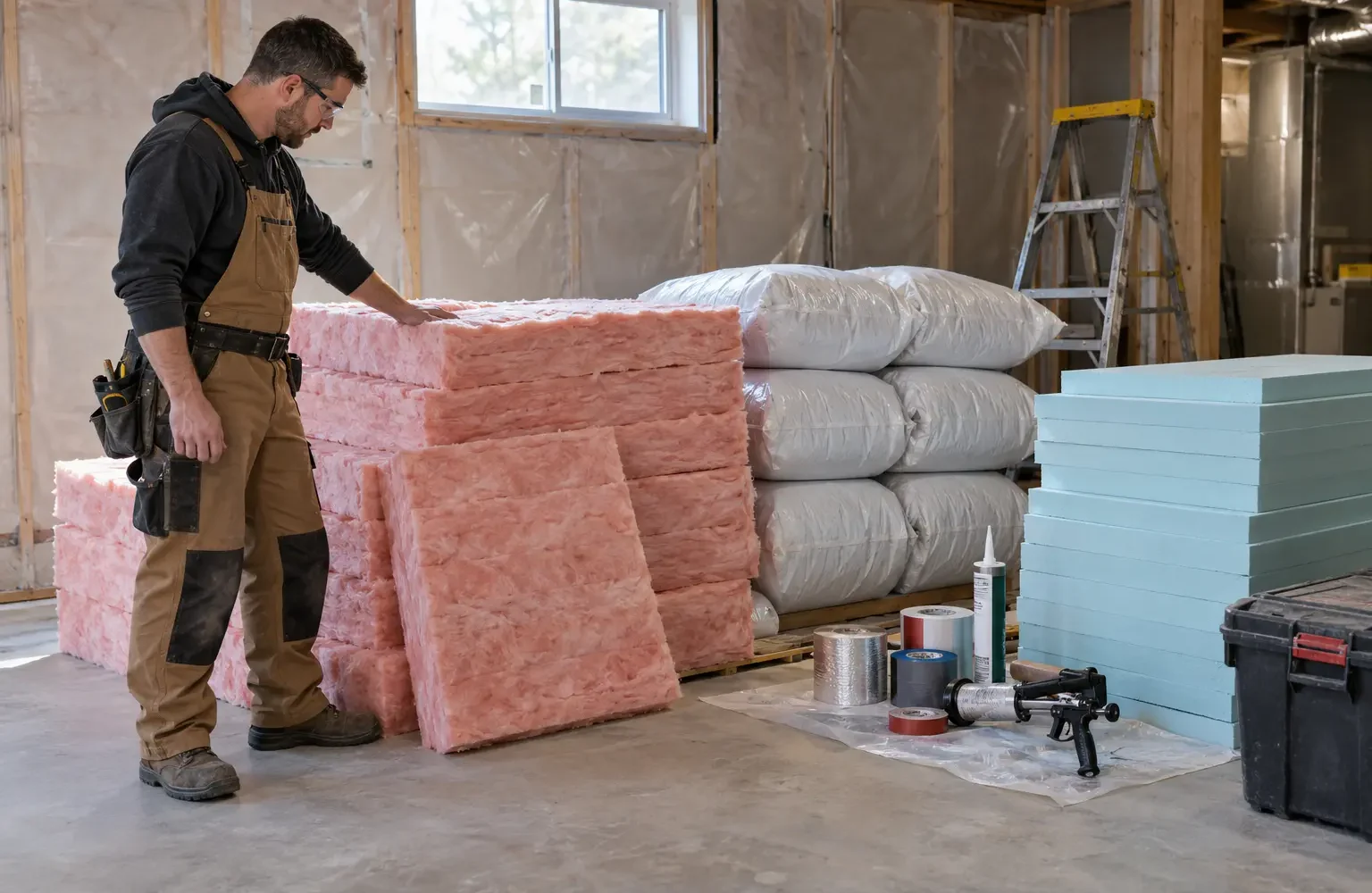
Attic first
The service list is organized around one principle: inspect the existing assembly before deciding whether the right work is a top-up, removal, air sealing, ventilation preparation or another insulation scope.
Explore services
Core attic insulation
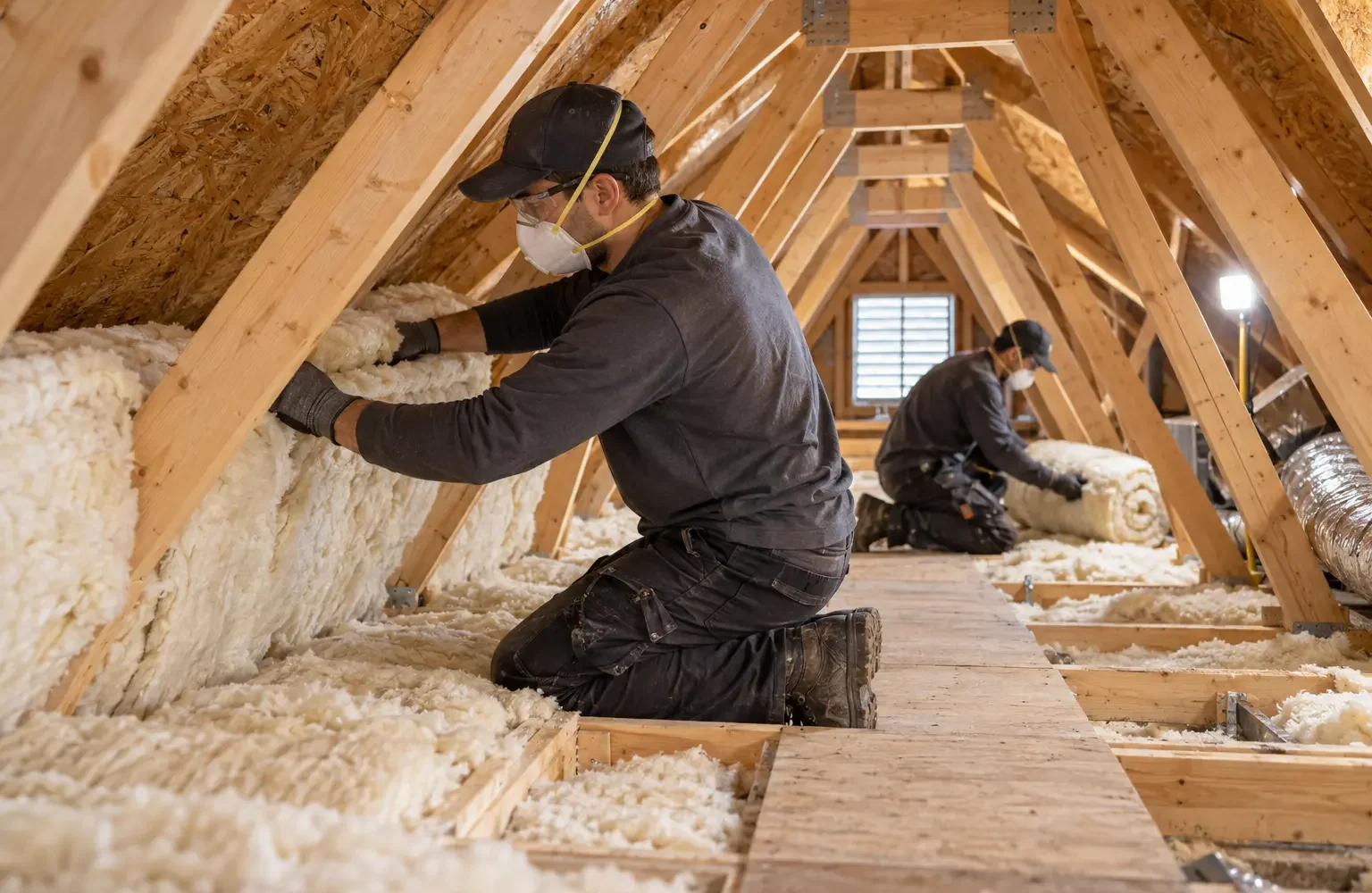 Attic Insulation InstallationAttic insulation installation should start with the attic that is actually there—not a default quantity of material. Existing depth, coverage, air leakage, ventilation routes, moisture evidence and safe access all affect the right scope.Explore service →
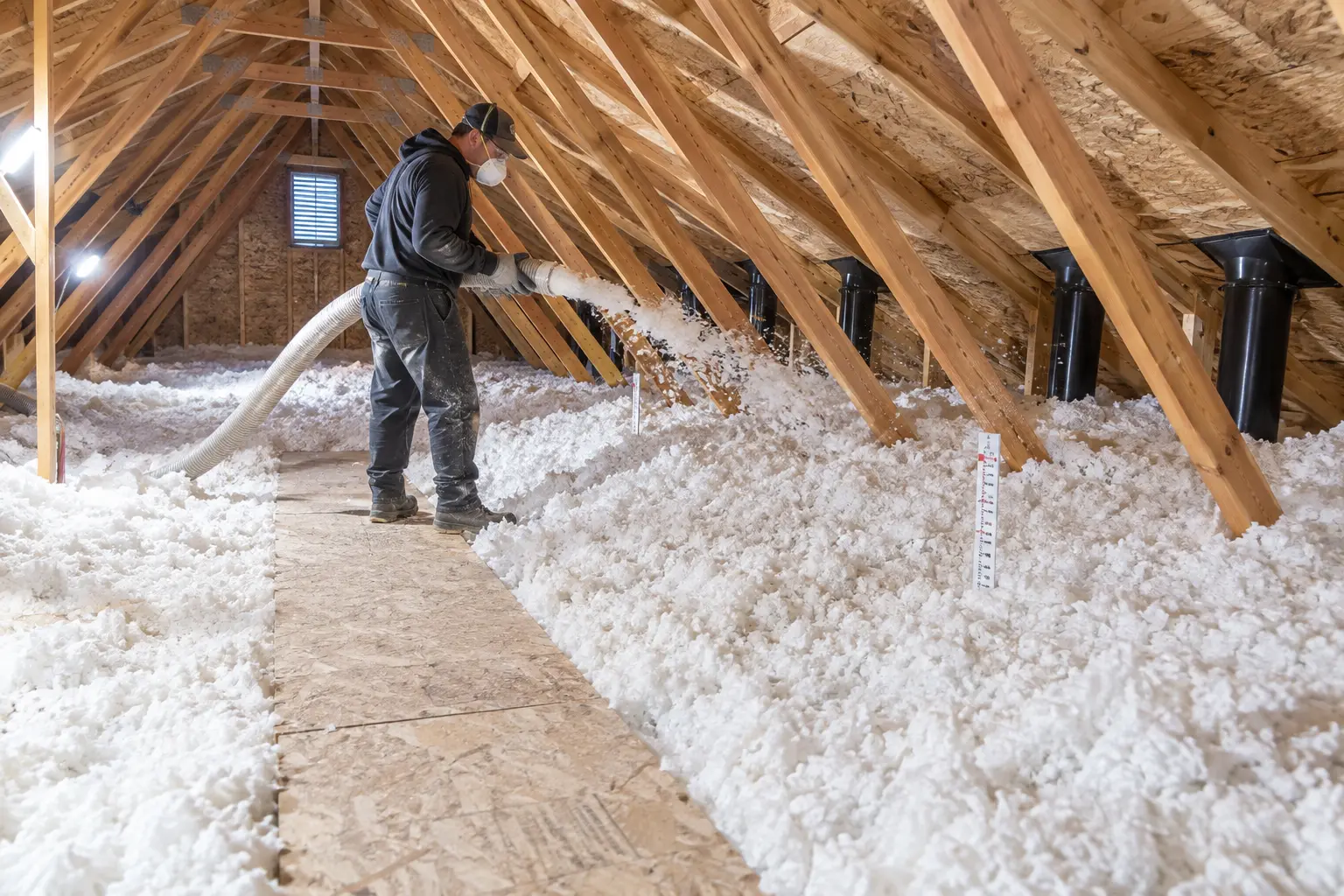 Attic Insulation Top-UpsA top-up adds insulation over material that is still suitable to remain. It is most appropriate when the attic is dry, reasonably clean, compatible with the new material and free of unresolved roof, exhaust or pest problems.Explore service →
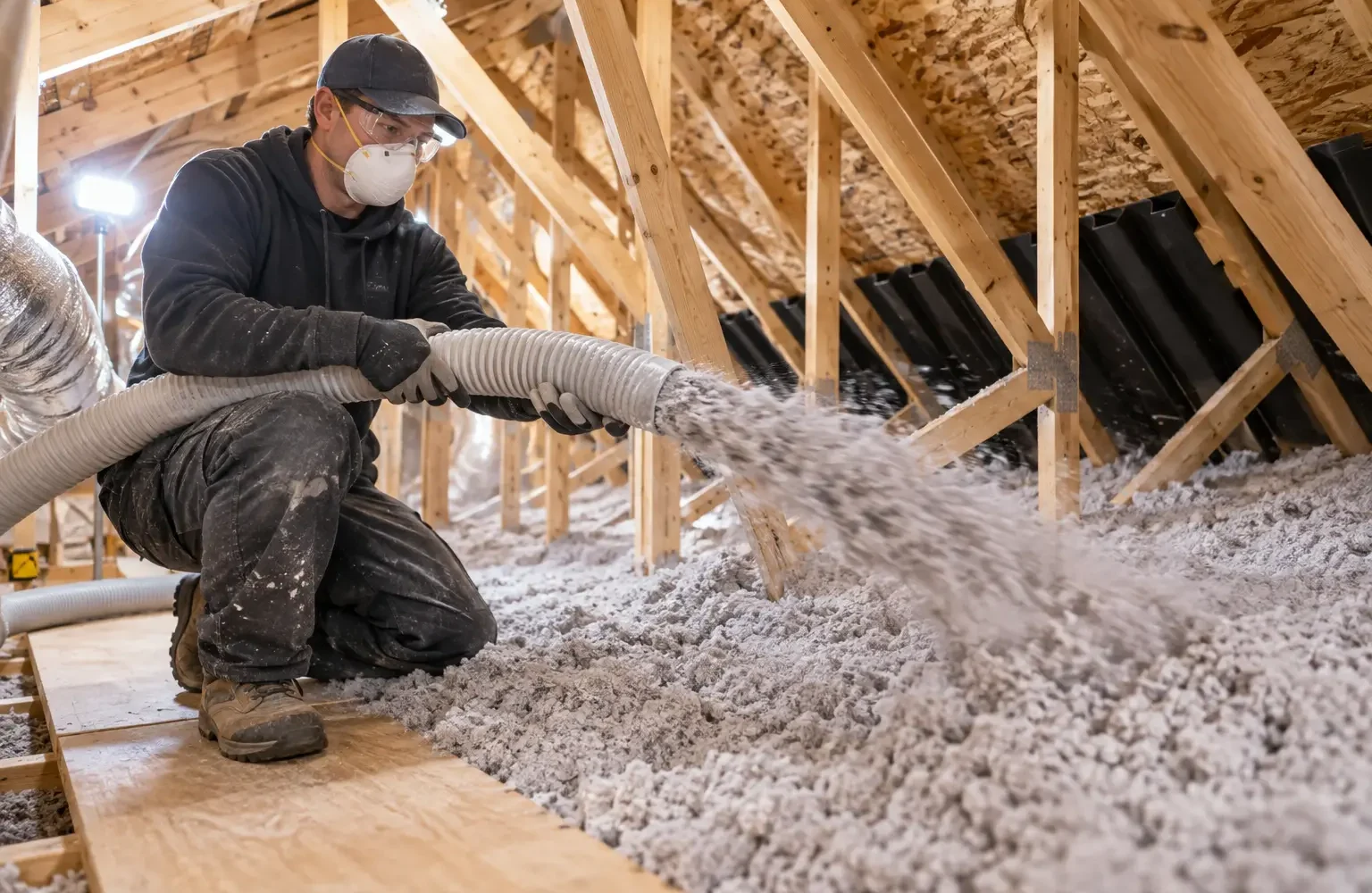 Blown-In Attic InsulationBlown-in insulation is loose-fill material installed with a blowing machine. It can cover irregular attic floors and framing efficiently, provided depth, density, eave airflow, clearances and preparation are controlled.Explore service →
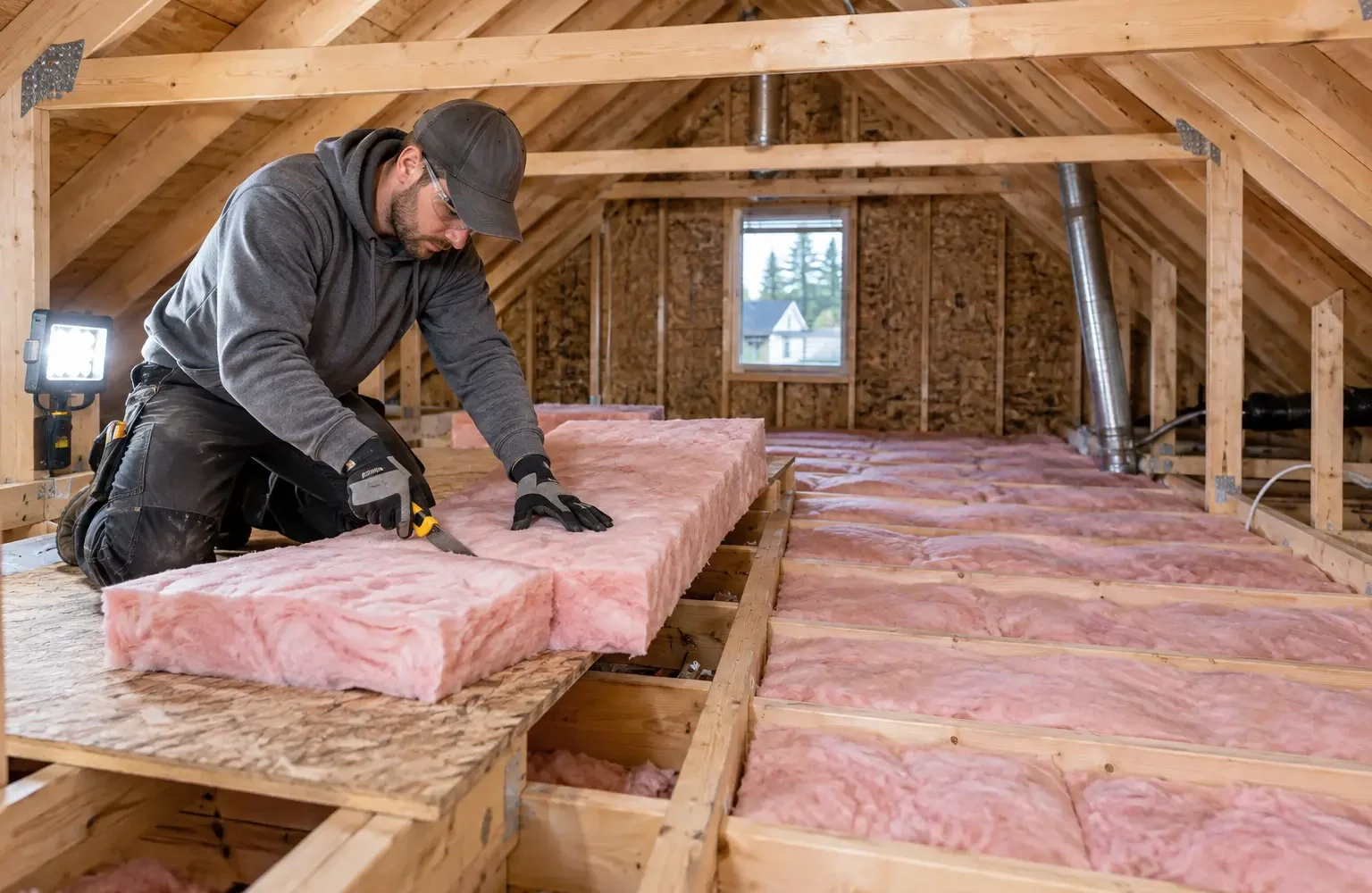 Fibreglass InsulationFibreglass is available as loose-fill and preformed batts. Loose-fill can suit open attic floors; batts can suit accessible framed cavities when each piece is fitted without voids, compression or gaps.Explore service →
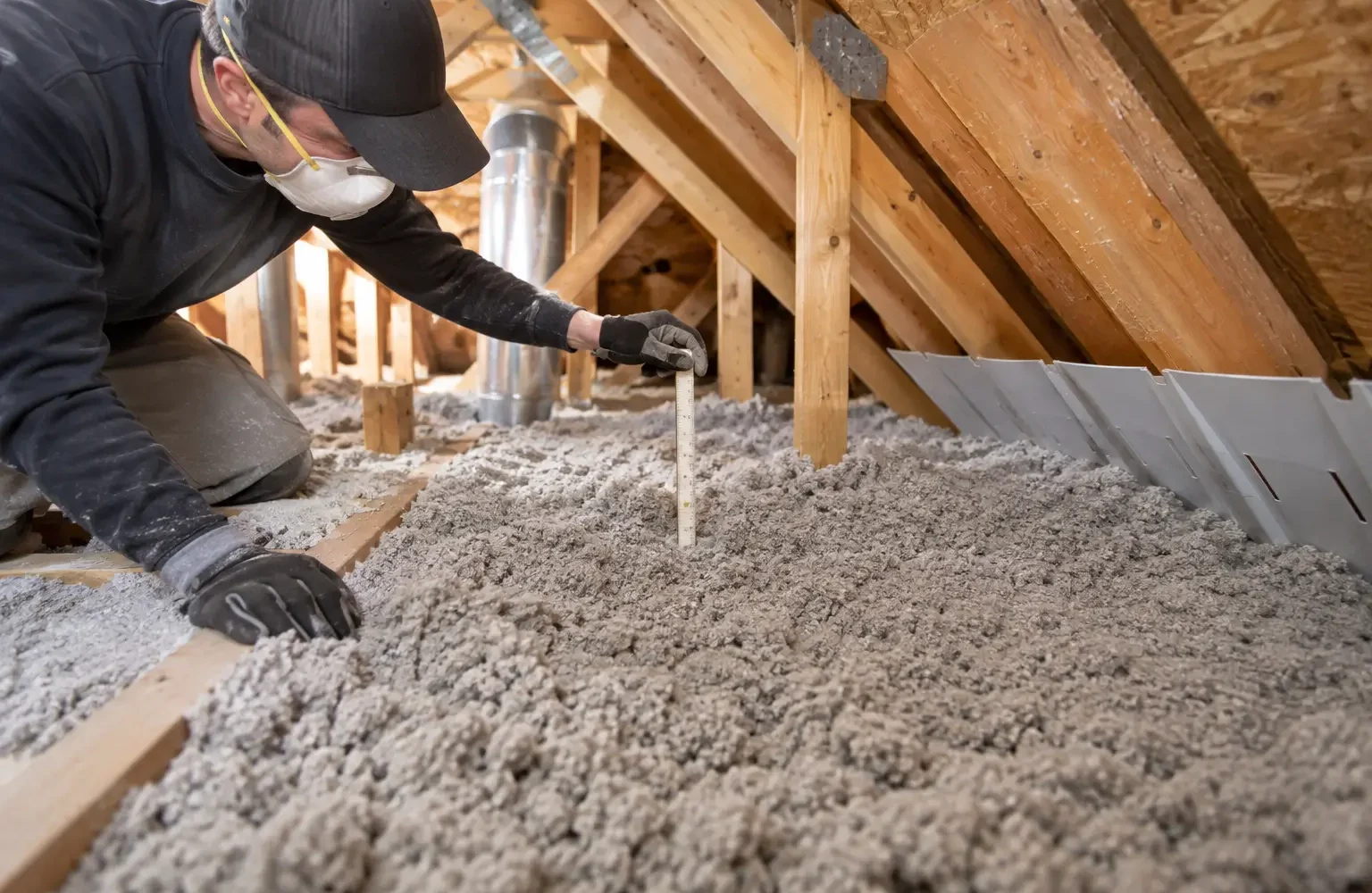 Cellulose InsulationCellulose is a fibre-based loose-fill insulation commonly used on attic floors. It can form consistent coverage around framing, but it must be installed to the specified density and depth while maintaining clearances and airflow paths.Explore service →
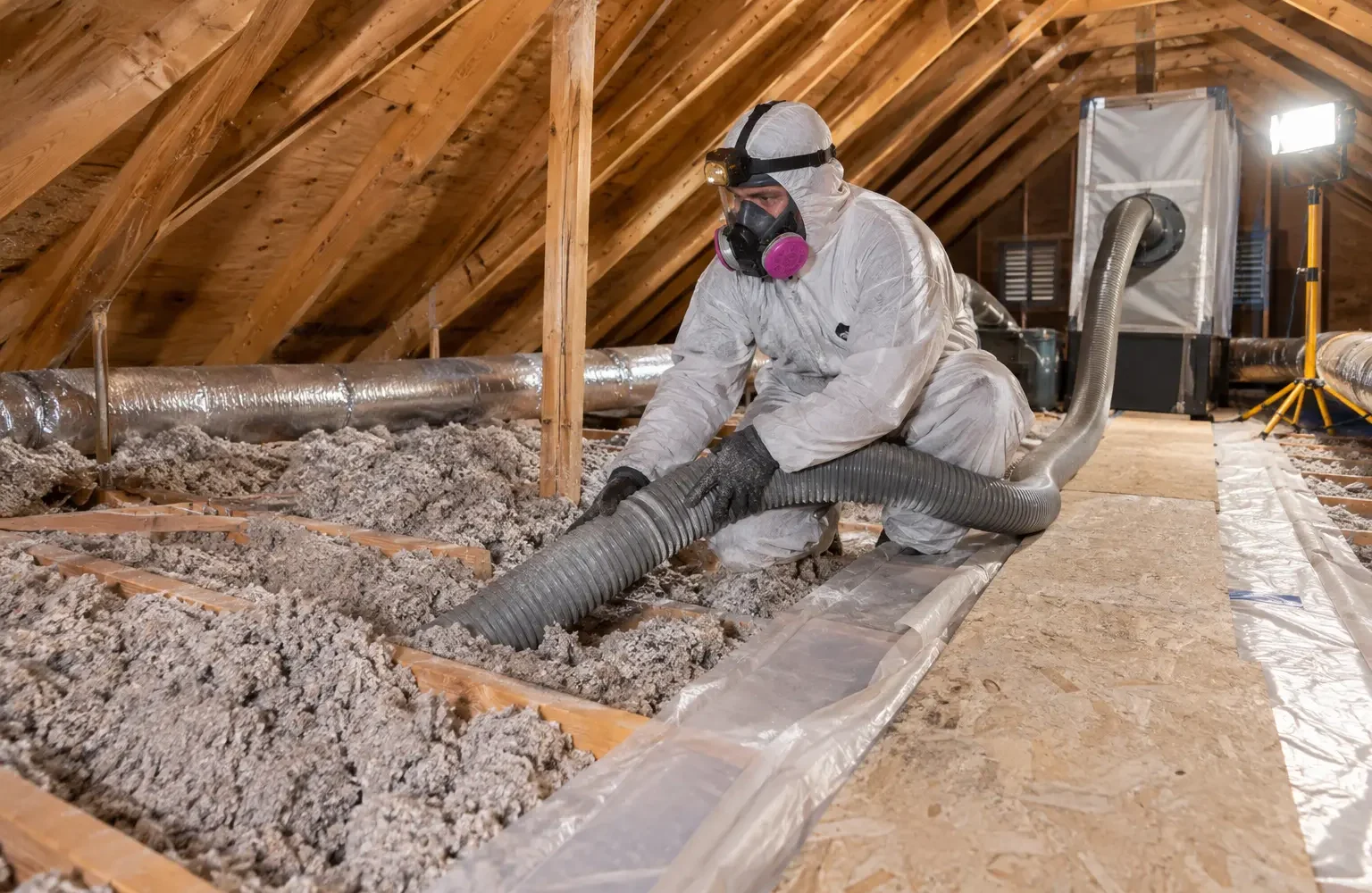 Insulation Removal & ReplacementRemoval is appropriate when existing insulation cannot responsibly remain—for instance after significant water damage, contamination, widespread disturbance or when access is required for corrective work. It should not be sold as an automatic first step.Explore service →
Explore services
Airflow, access and assessment
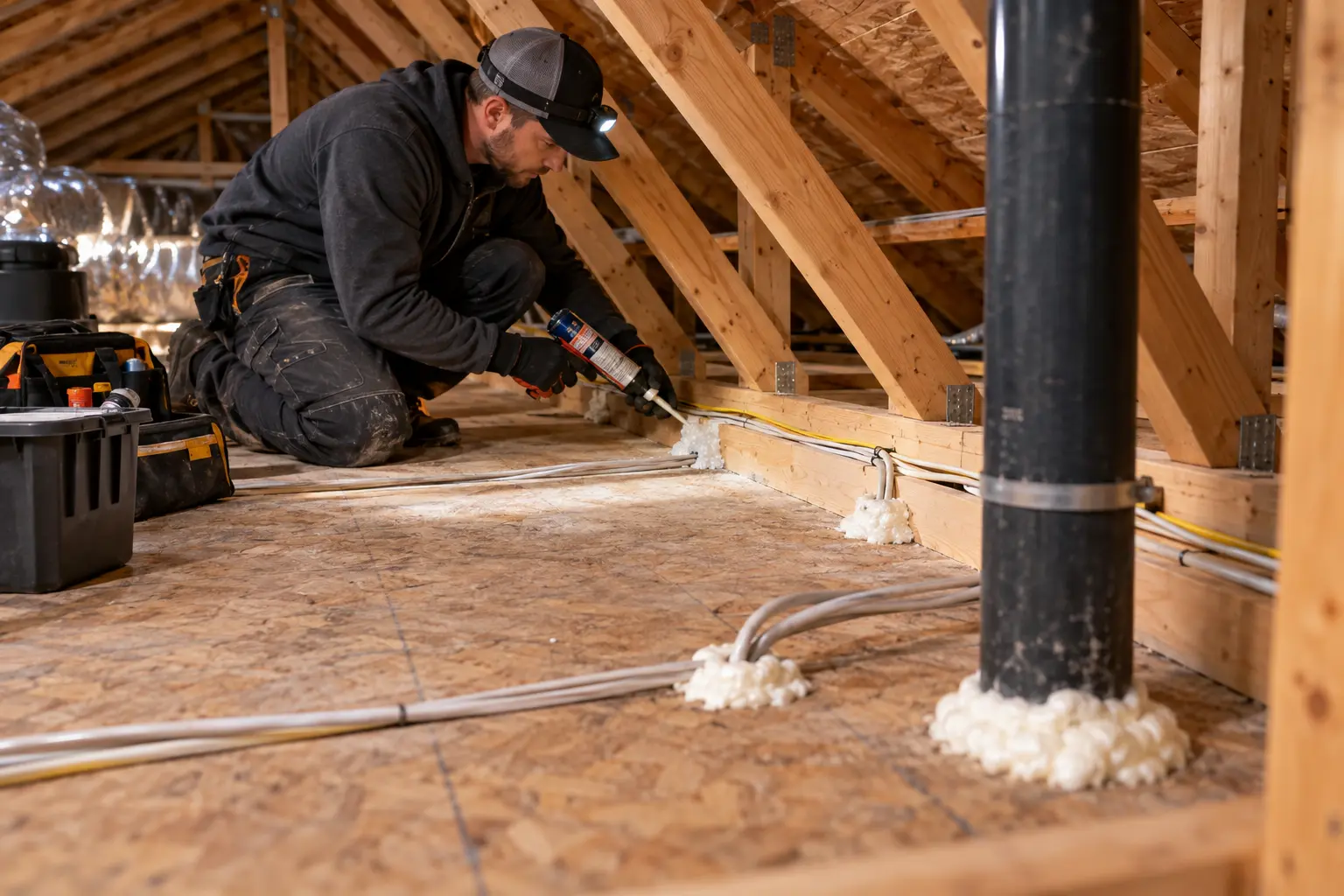 Attic Air SealingAttic air sealing reduces uncontrolled air movement through accessible gaps in the ceiling plane. Common locations include plumbing and wiring penetrations, partition top plates, attic hatches and some fixture details.Explore service →
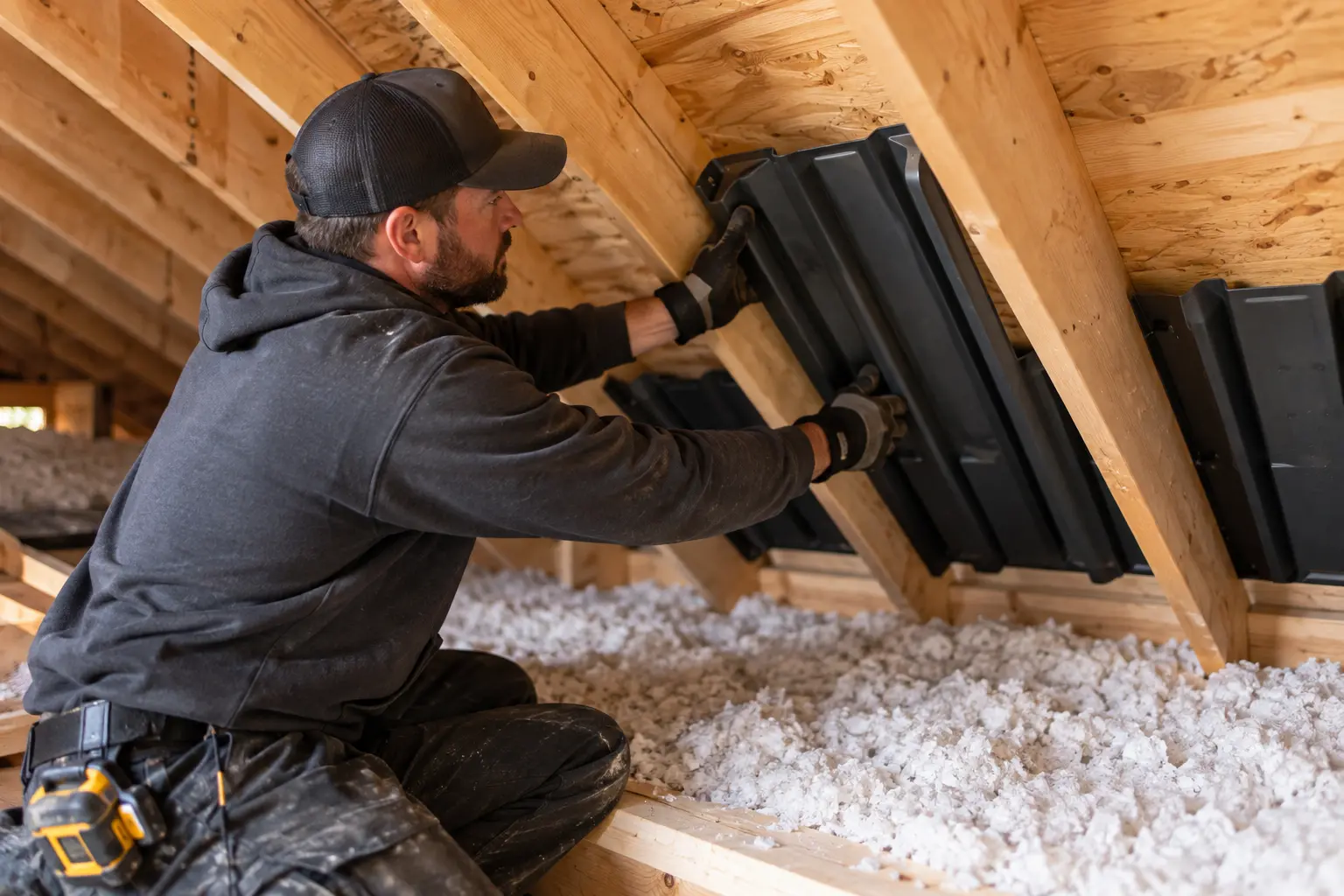 Attic VentilationIn a vented attic, outside air should have a clear intended route from intake vents toward exhaust vents. Insulation must not block the eaves, and bath or kitchen exhaust ducts must not discharge into the attic.Explore service →
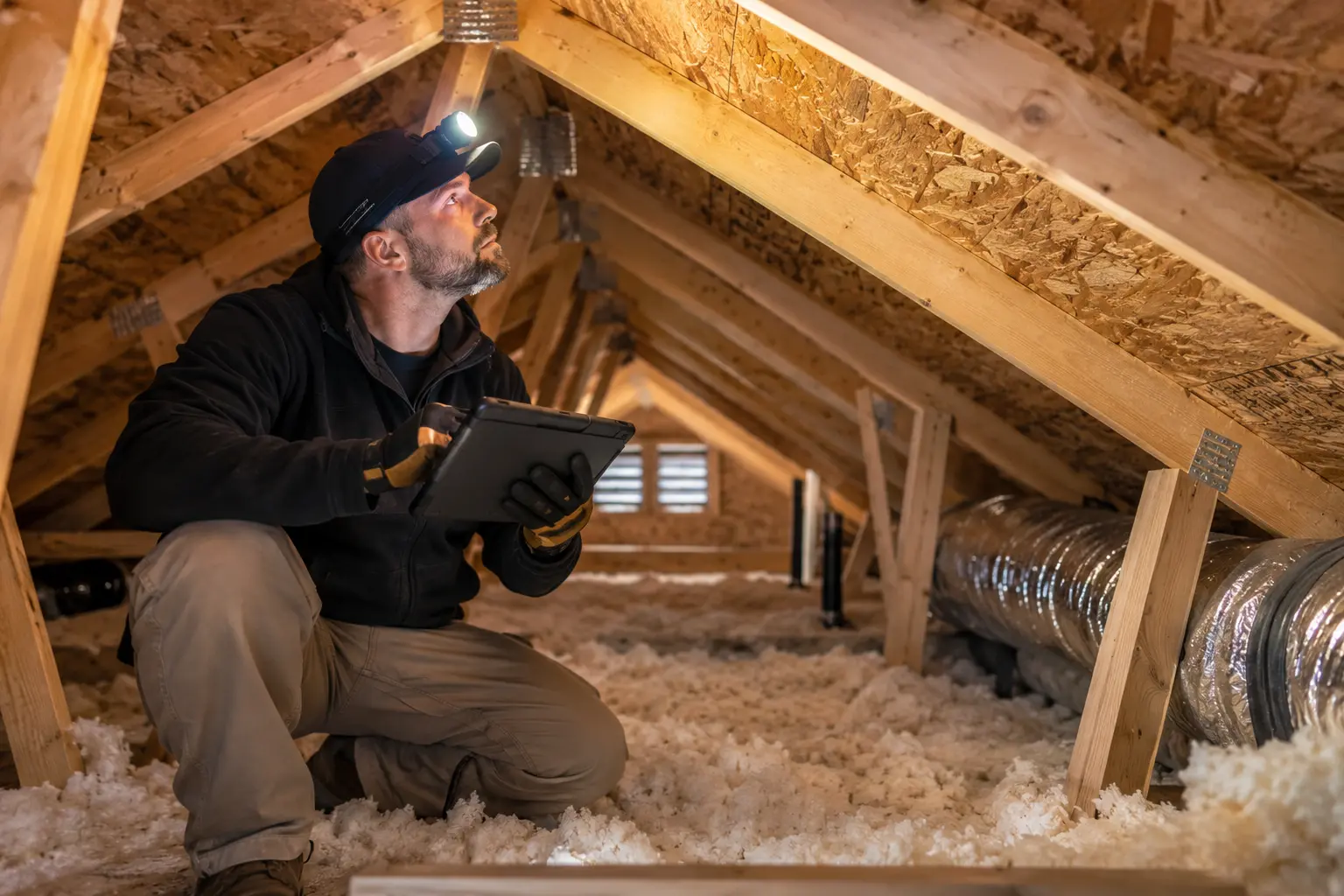 Attic Inspections & AssessmentsAn attic assessment should distinguish between a straightforward top-up and a condition that needs preparation, removal, ventilation correction or specialist attention first.Explore service →
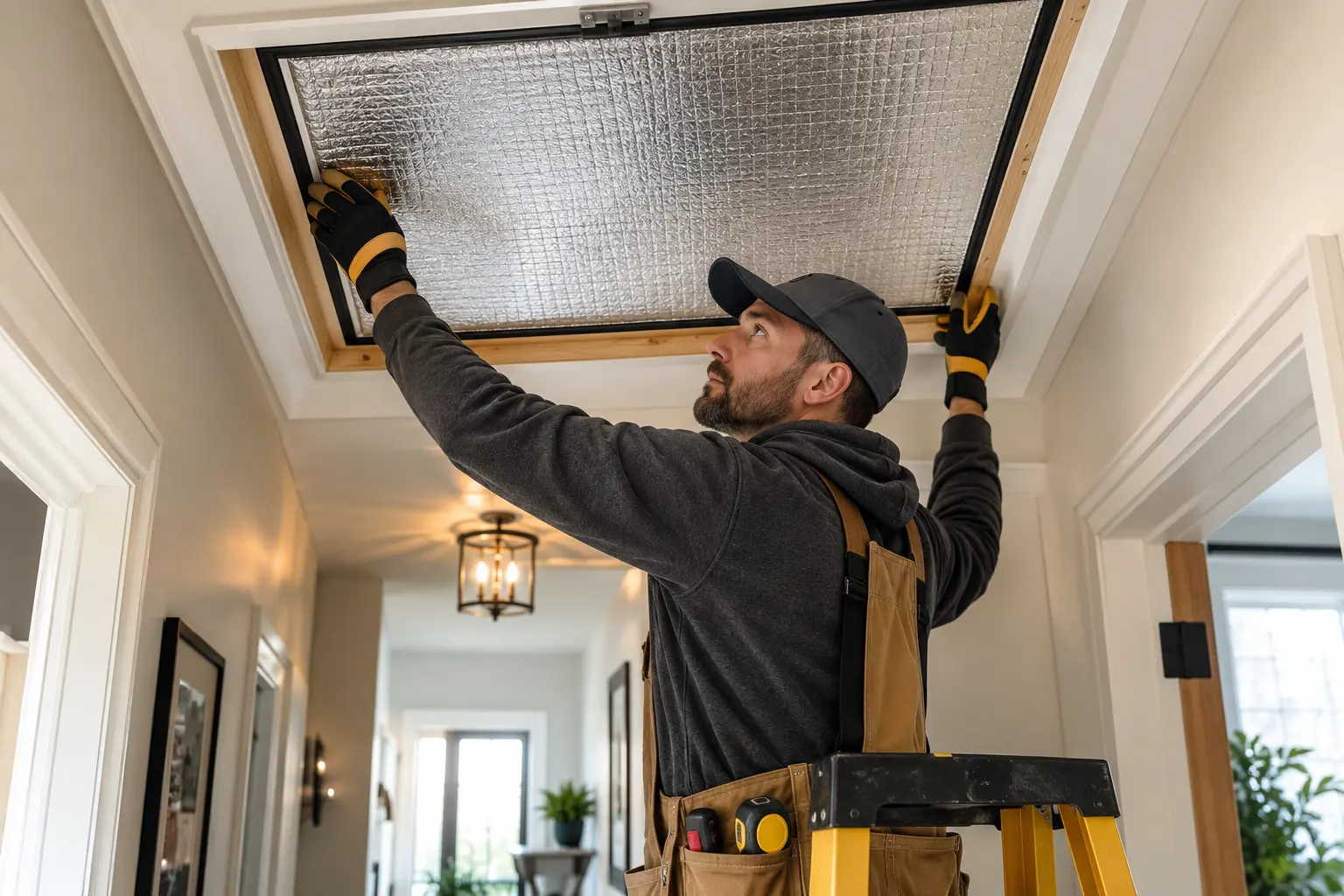 Attic Hatch Insulation & SealingAn attic hatch interrupts both insulation and air control. A fitted insulated cover, continuous gasket and well-sealed curb can reduce heat flow and drafts while preserving safe access.Explore service →
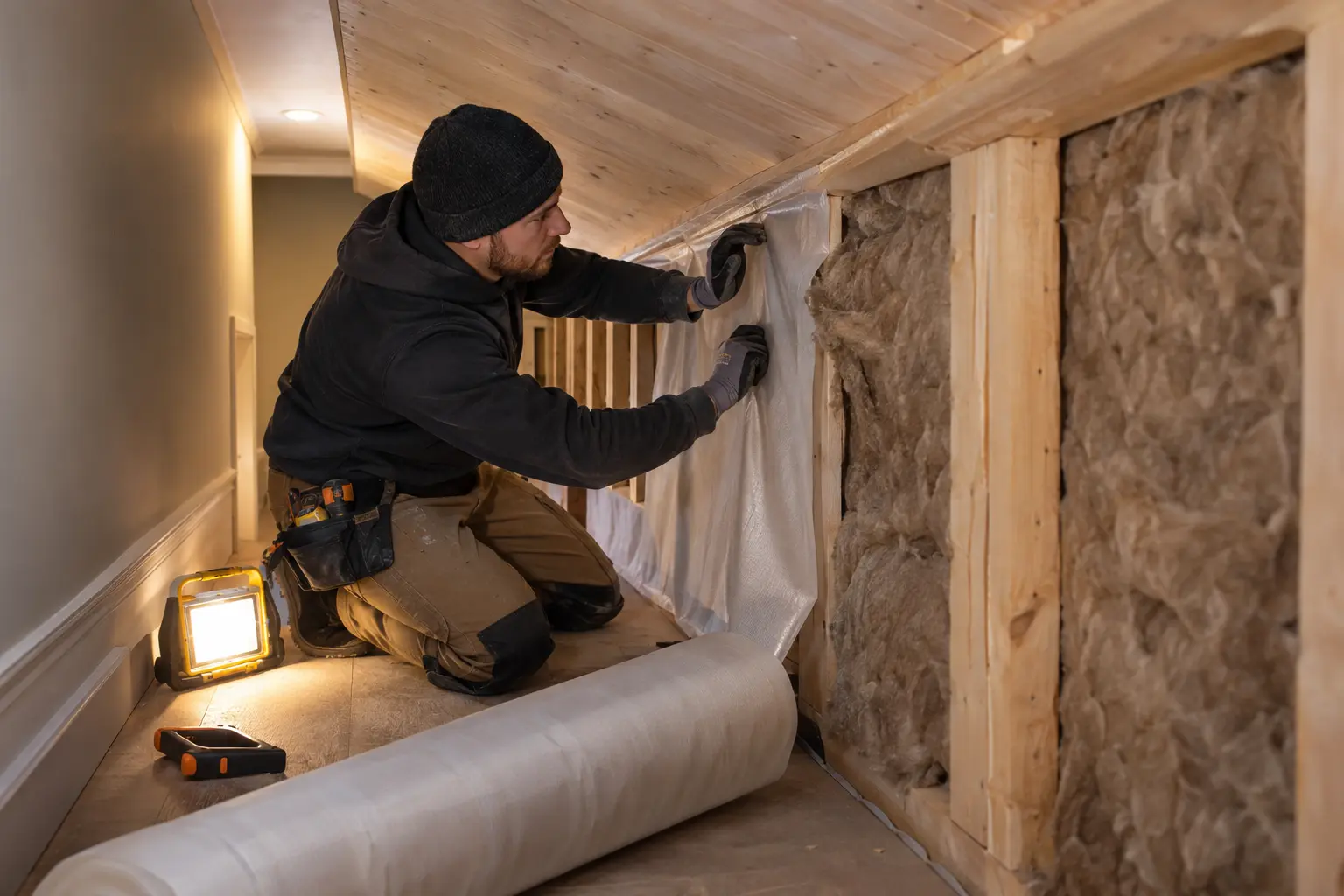 Kneewall & Difficult-Access InsulationKneewalls separate conditioned rooms from side attics and often contain several transitions—vertical wall, sloped ceiling, floor edge and roof ventilation. Each layer must remain continuous through those junctions.Explore service →
Explore services
Other residential insulation
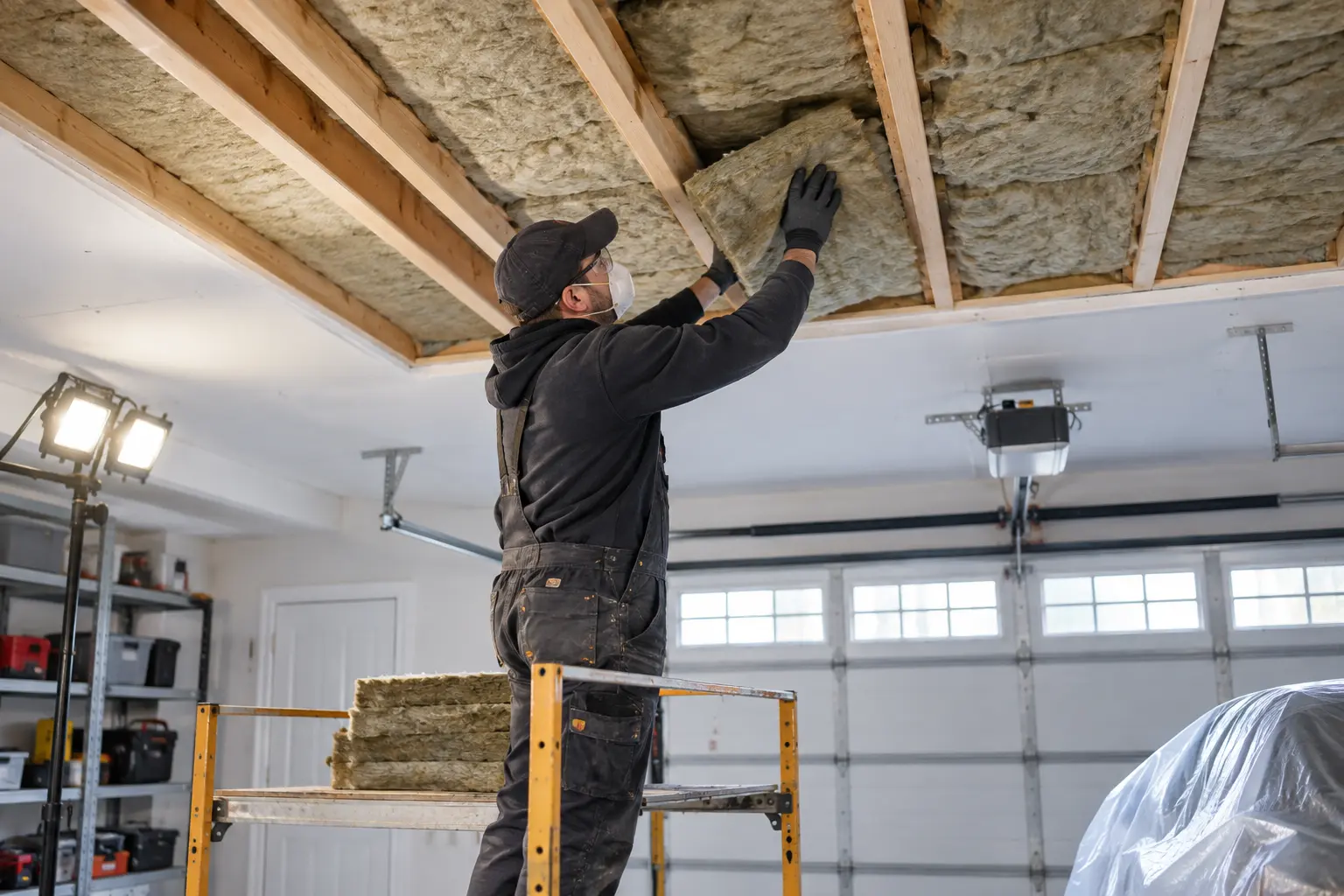 Garage Ceiling InsulationA cold or hot room above a garage can be affected by missing, compressed or poorly supported insulation in the floor assembly, but air leakage, duct layout, exterior walls and HVAC balance may also matter.Explore service →
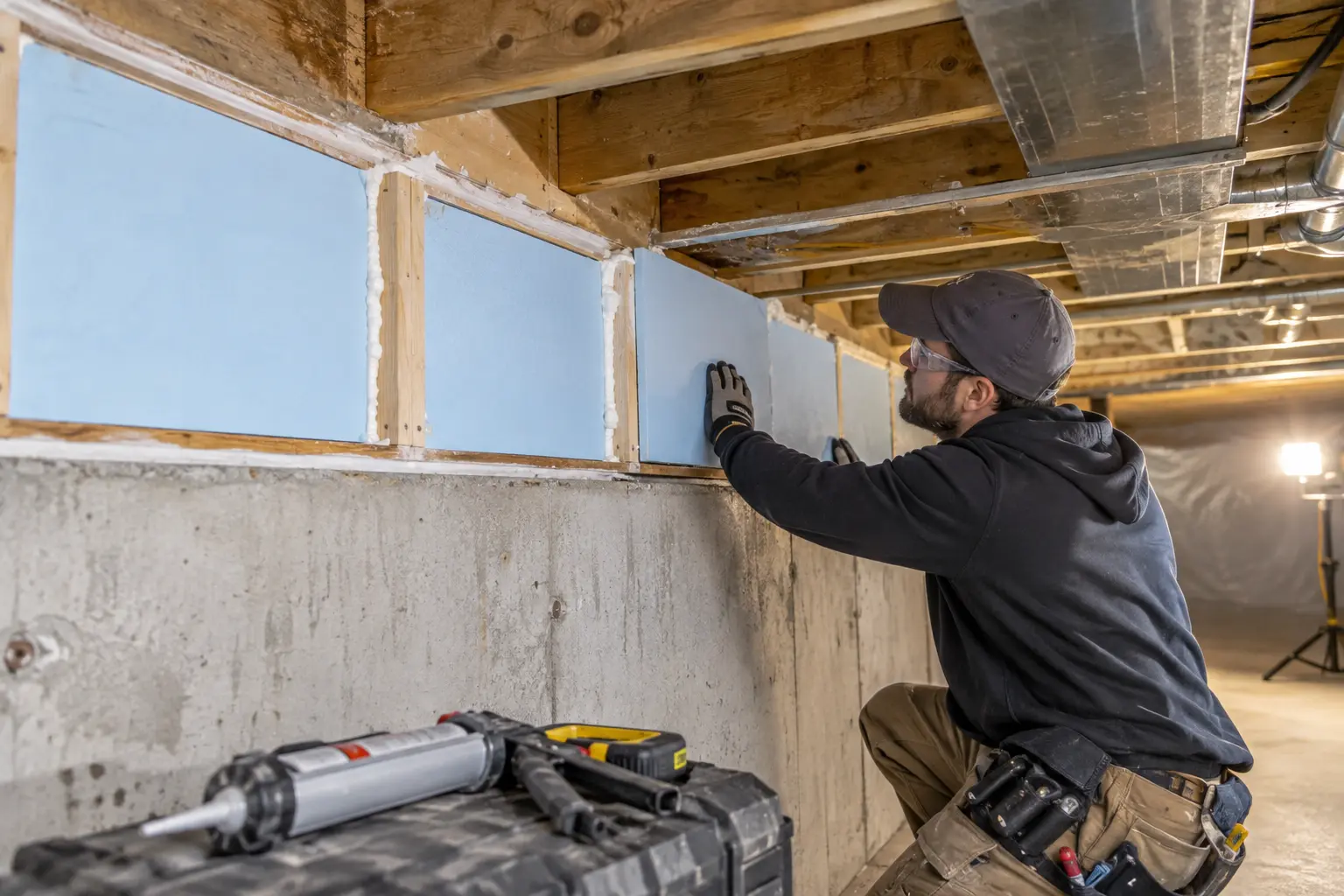 Rim Joist InsulationRim joists sit at the transition between the foundation and framed floors. Because many joints meet there, they can be both a thermal weak point and a path for outdoor air.Explore service →
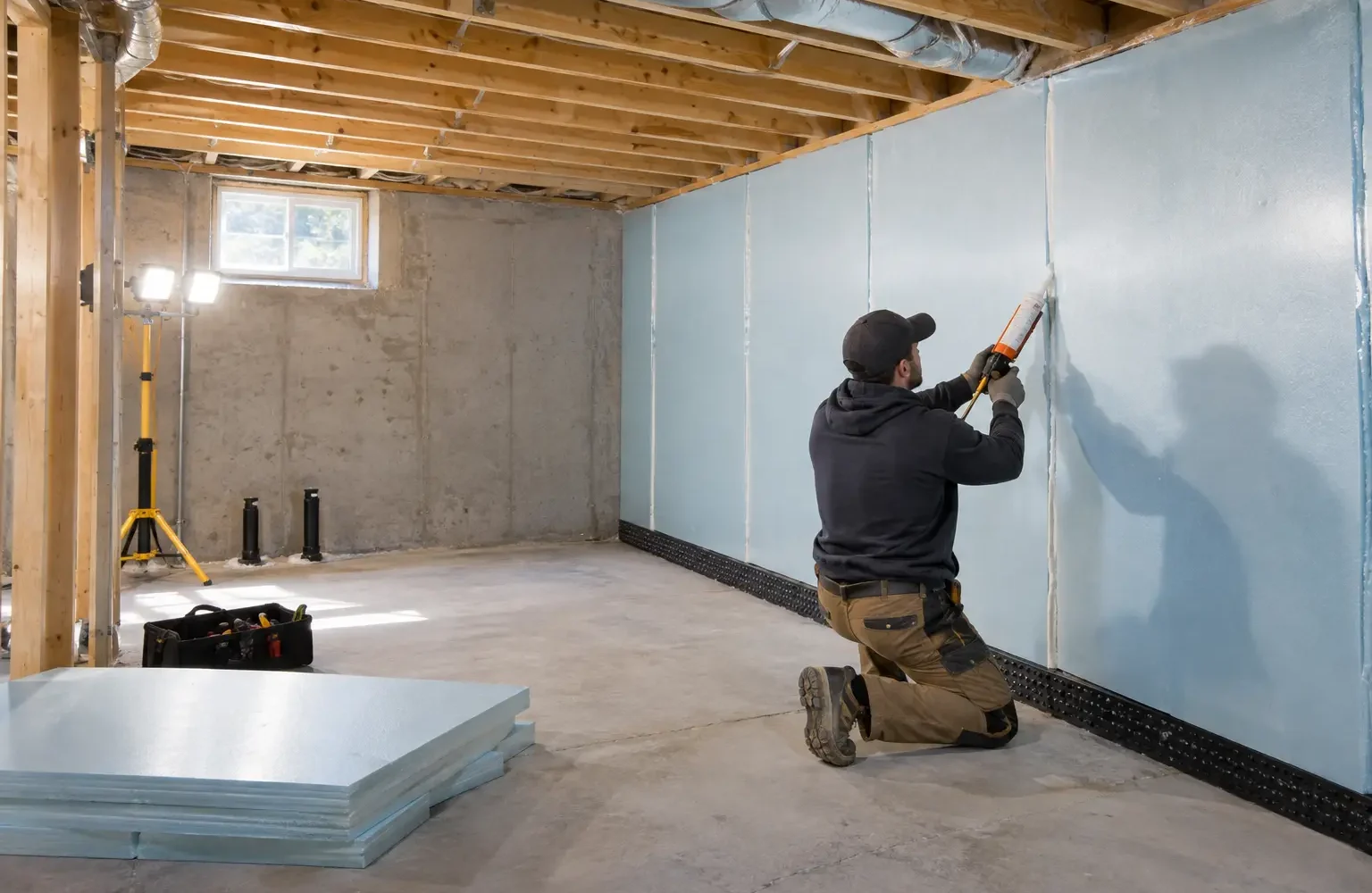 Basement & Foundation InsulationBasement insulation can improve comfort and reduce heat flow through foundation walls, but below-grade moisture conditions and the intended wall assembly must be understood first.Explore service →
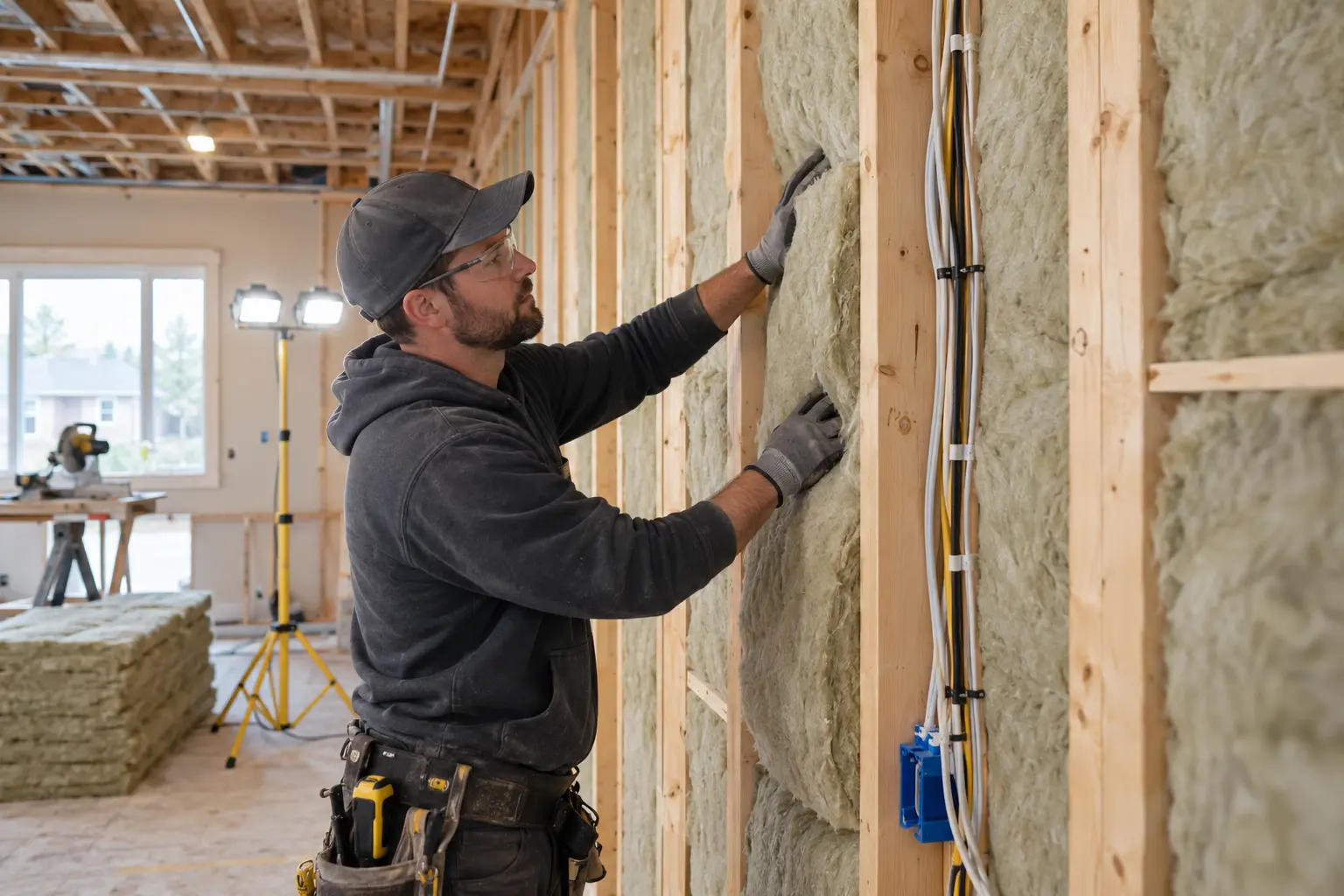 Wall InsulationWall insulation is most straightforward when framing is open. Existing finished walls require a different evaluation because cavity size, fire stops, services and existing material may be hidden.Explore service →
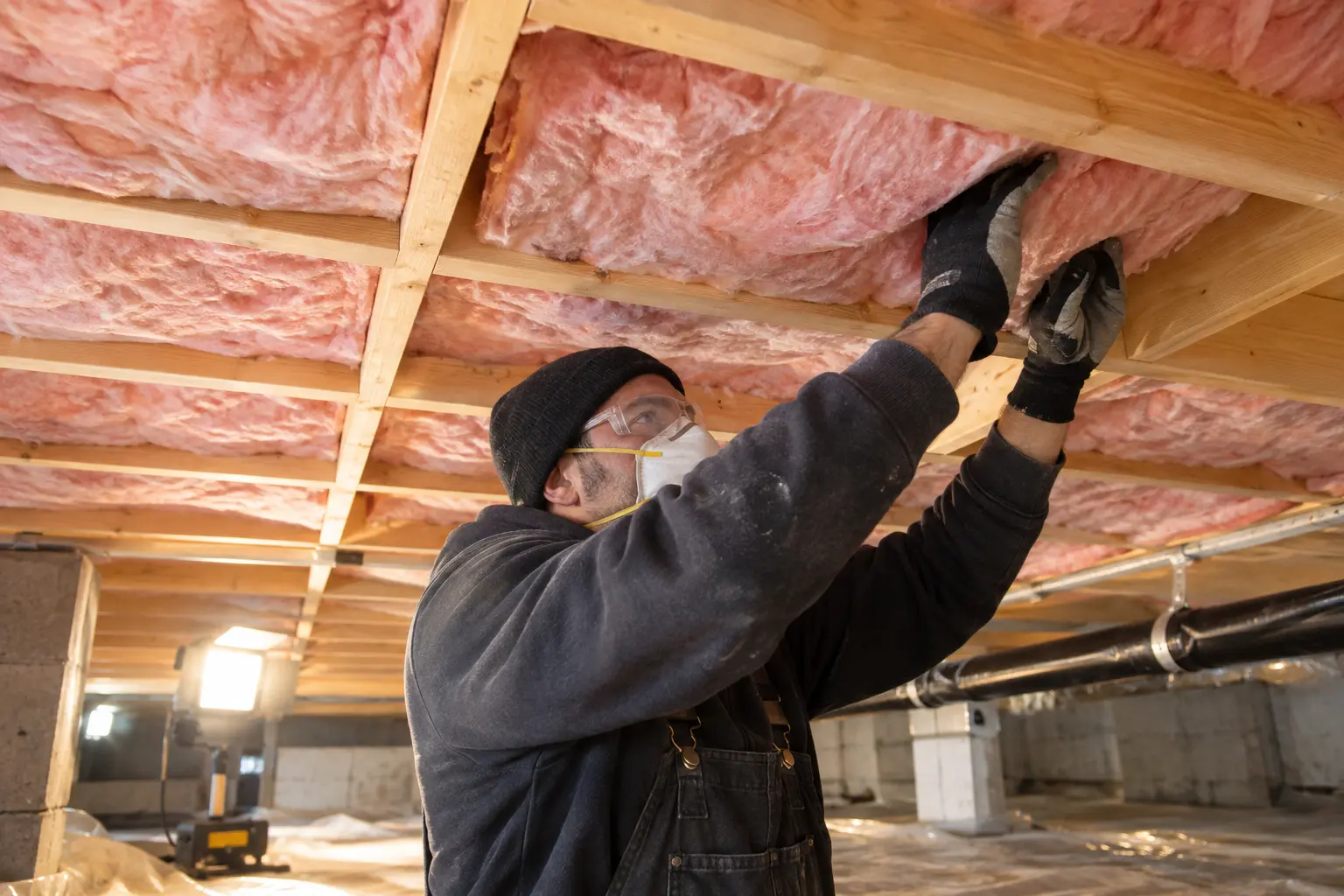 Exposed Floor InsulationFloors above unconditioned space can lose heat through joist cavities and perimeter transitions. Insulation needs full contact with the floor above, durable support and control of accessible air paths.Explore service →
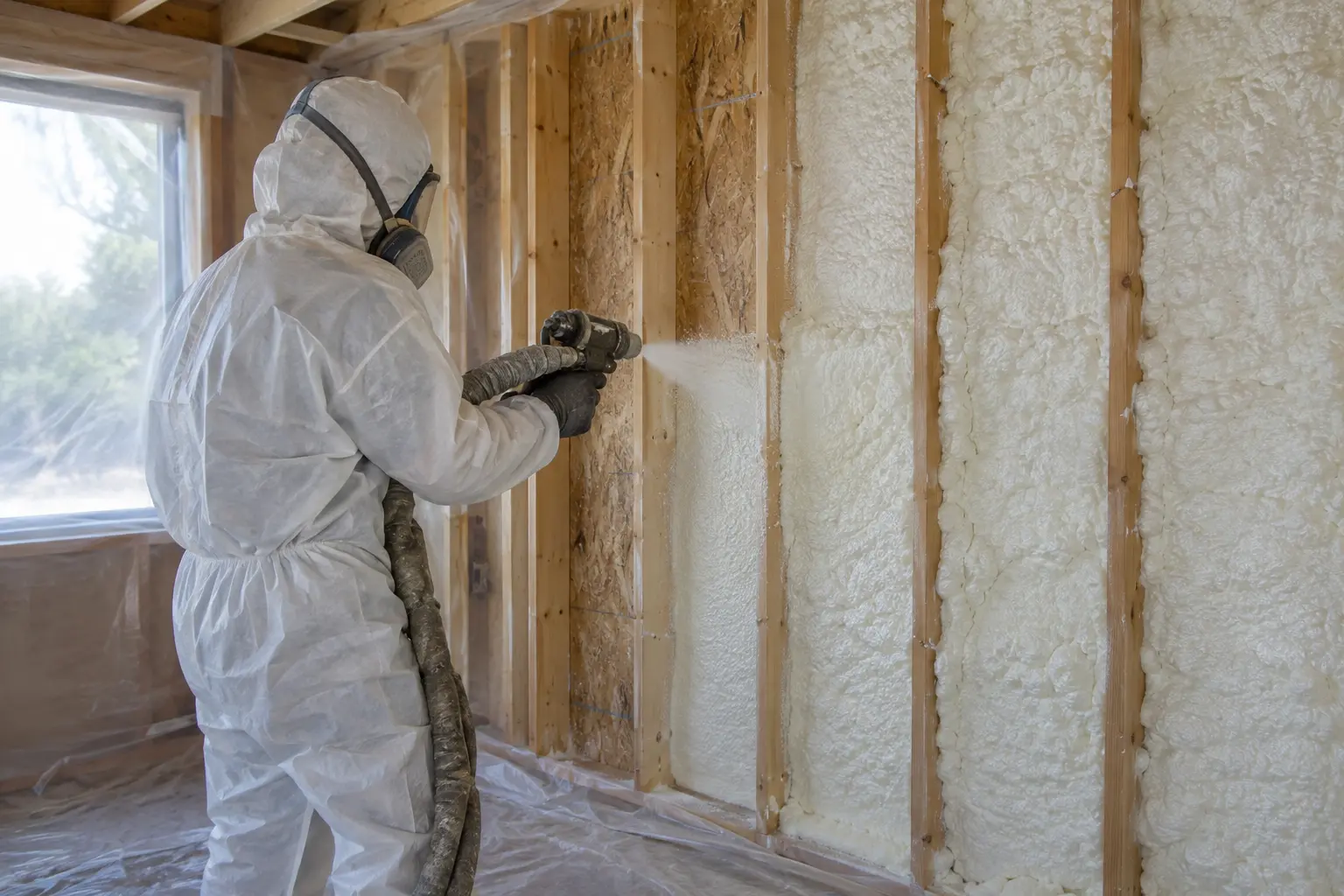 Spray Foam InsulationSpray polyurethane foam can provide insulation and air control in suitable locations. It is not automatically the right choice for every attic, wall or rim joist, and installation conditions matter.Explore service →