Direct answer
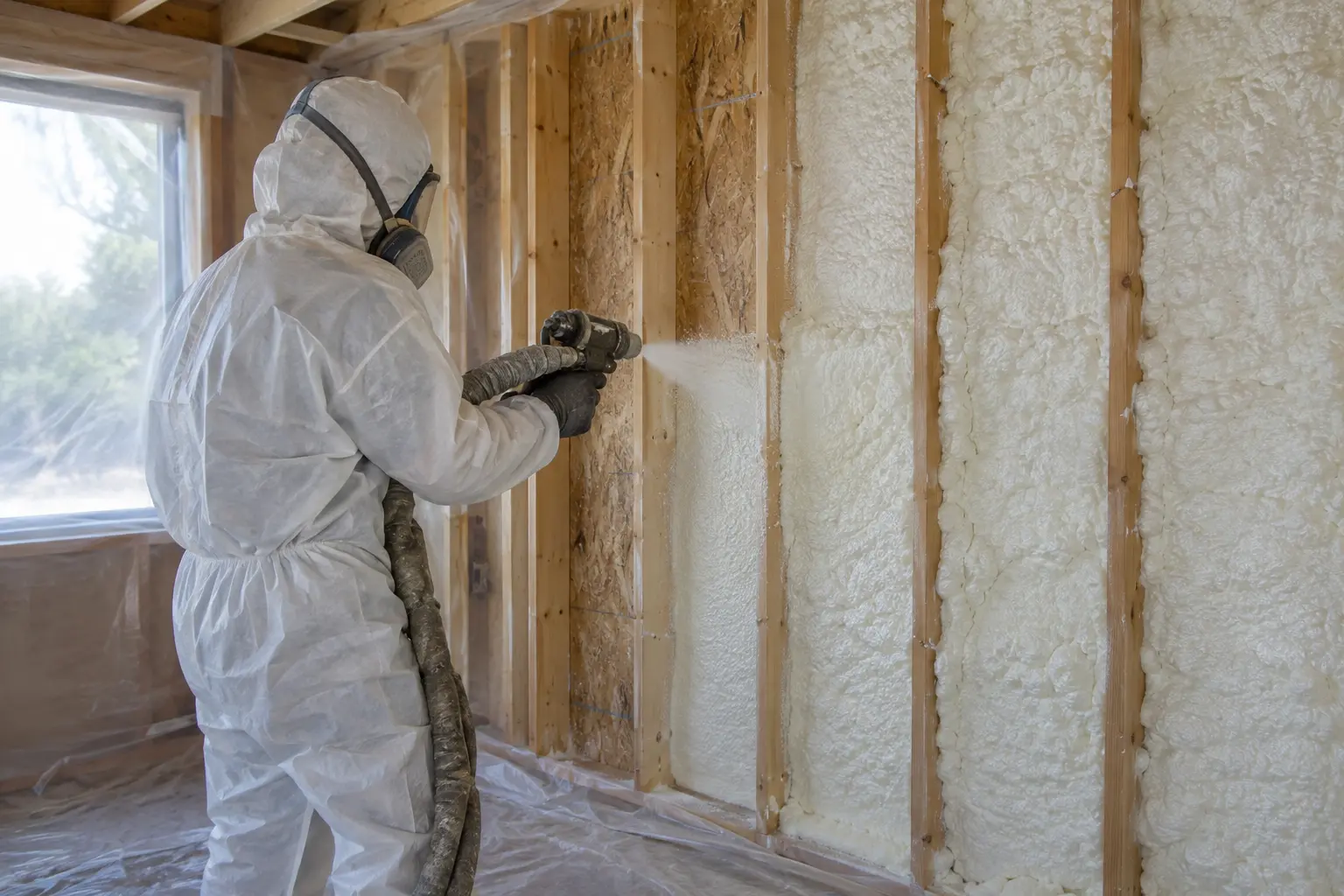
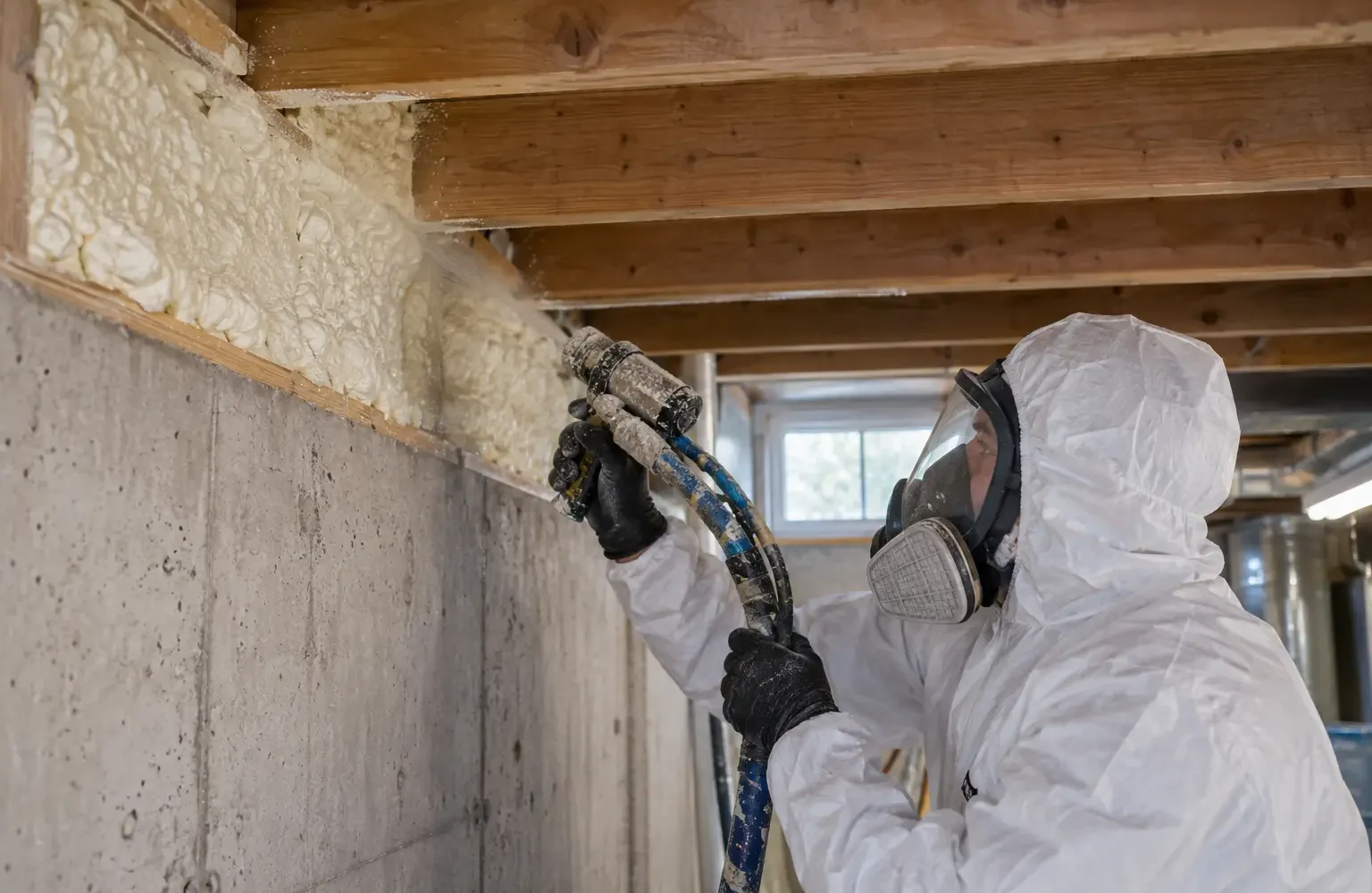
Spray polyurethane foam can provide insulation and air control in suitable locations. It is not automatically the right choice for every attic, wall or rim joist, and installation conditions matter.
Start with the assembly
Plan the work around the existing condition
Open-cell and closed-cell products have different properties. Substrate moisture, temperature, lift thickness, curing, ventilation and separation from occupied space all require attention. In roof assemblies, applying foam to the underside of roof sheathing changes how the assembly handles heat and moisture.
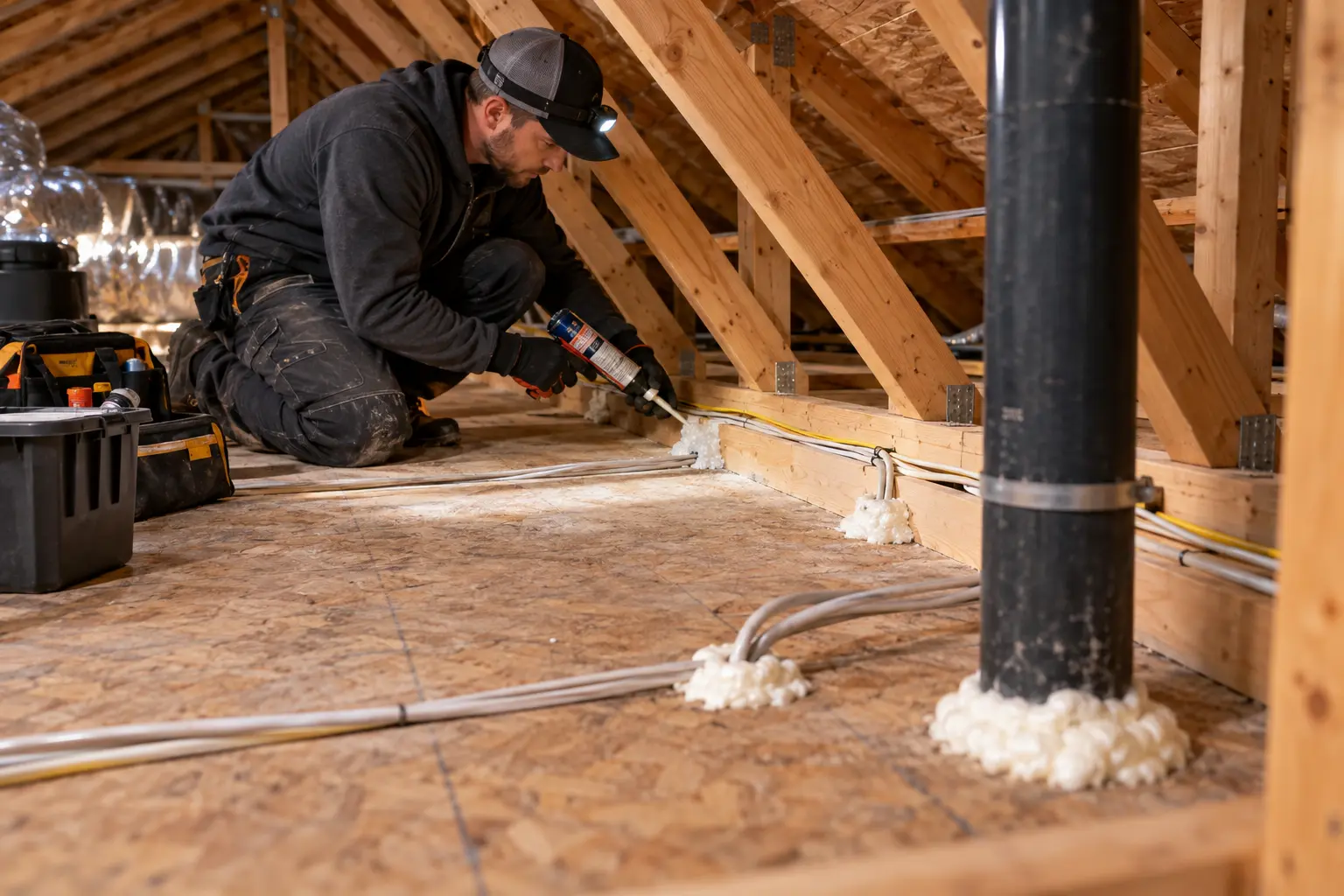
- Irregular accessible areas need combined insulation and air control
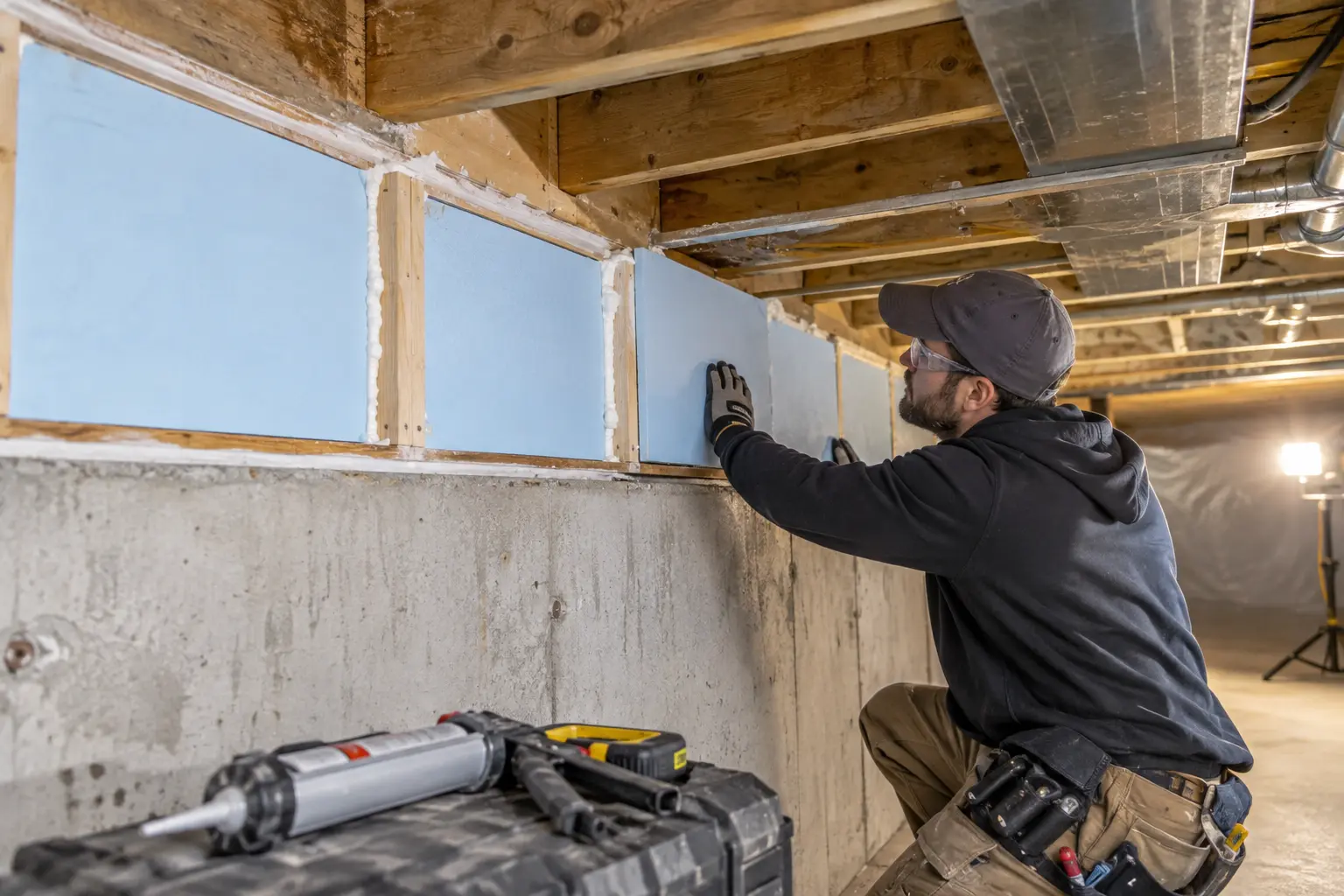
- Rim joists or open walls suit a specified product
- A designed unvented assembly calls for foam
- Renovation access allows proper preparation and protection
Assessment
What should be checked before the scope is set
- Assembly design and intended control layers
- Substrate dryness, cleanliness and temperature
- Occupancy, ventilation and re-entry requirements
- Thermal or ignition barrier requirements
Possible scope
The work should follow the findings
These are common directions, not automatic inclusions. The final scope depends on access, existing materials and the condition found on site.
Closed-cell foam in suitable limited-depth details
Open-cell foam where the designed assembly supports it
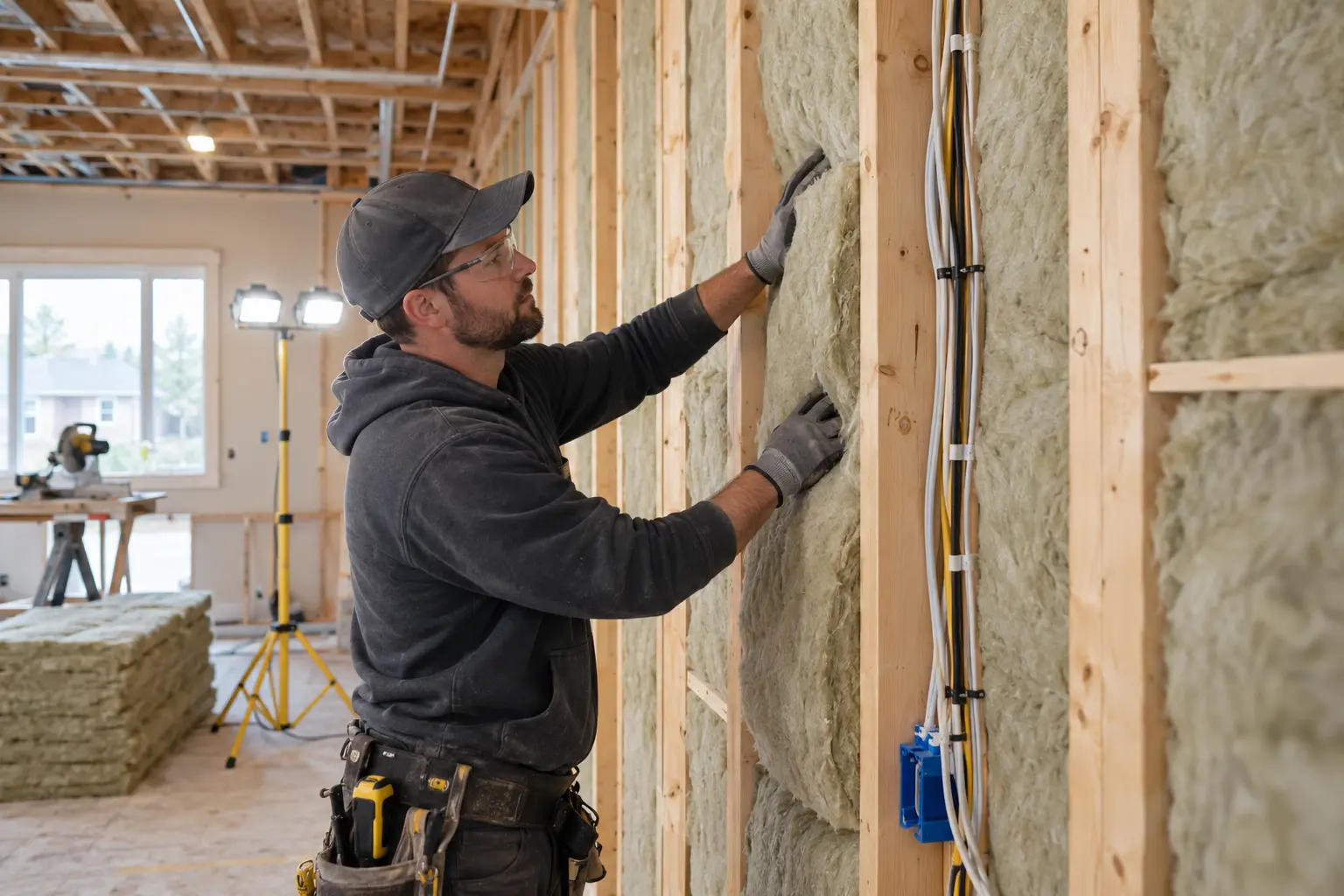
Other insulation where reversibility or drying potential is preferred
Oakville planning context
How the local housing condition can shape the scope
Spray foam is a project-specific option, not an automatic attic recommendation. Product approvals, substrate condition, ventilation during application, required barriers and the future drying behaviour of the assembly should be reviewed.
Important boundary
Foam should not conceal active roof leaks, wet sheathing or unknown conditions. Product approvals, installer requirements and fire protection must be confirmed for the application.
Questions homeowners ask
Spray Foam Insulation FAQs
Should every attic roof deck be spray foamed?
No. A conventional vented attic often performs well with insulation and air control at the ceiling plane.
Can spray foam trap moisture?
Any low-permeance layer can affect drying. The whole assembly and existing moisture must be considered.
Is the house occupied during installation?
Product and site requirements govern ventilation, exclusion and re-entry. Follow the specified safety plan.
Related planning