What this can mean
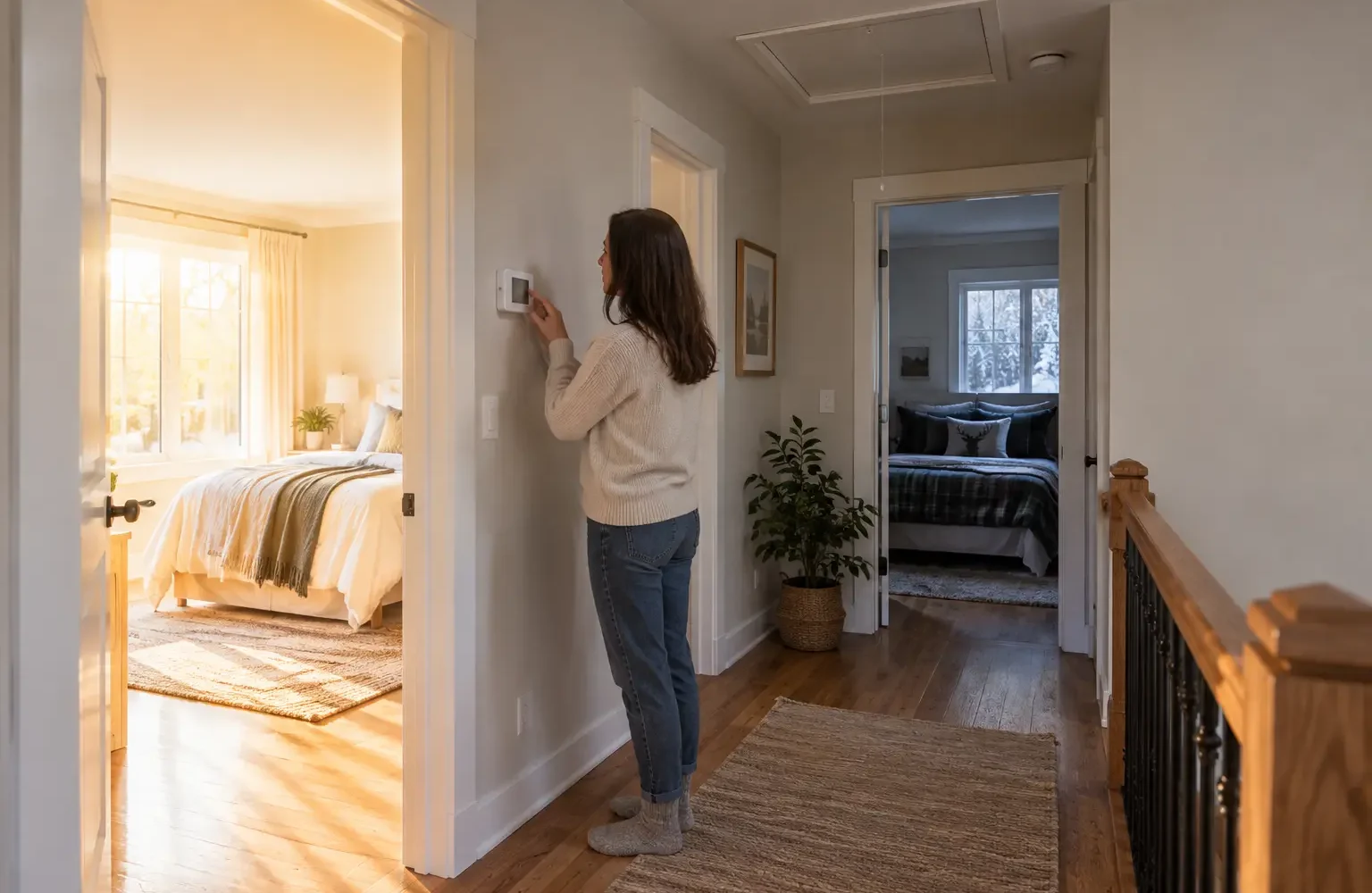
A second floor that is hot in summer and cold in winter can point to attic heat flow—but insulation is only one possible contributor. Coverage, air leakage, duct performance, solar exposure, windows and HVAC balance can overlap.
Potential contributors
Look beyond a one-cause answer
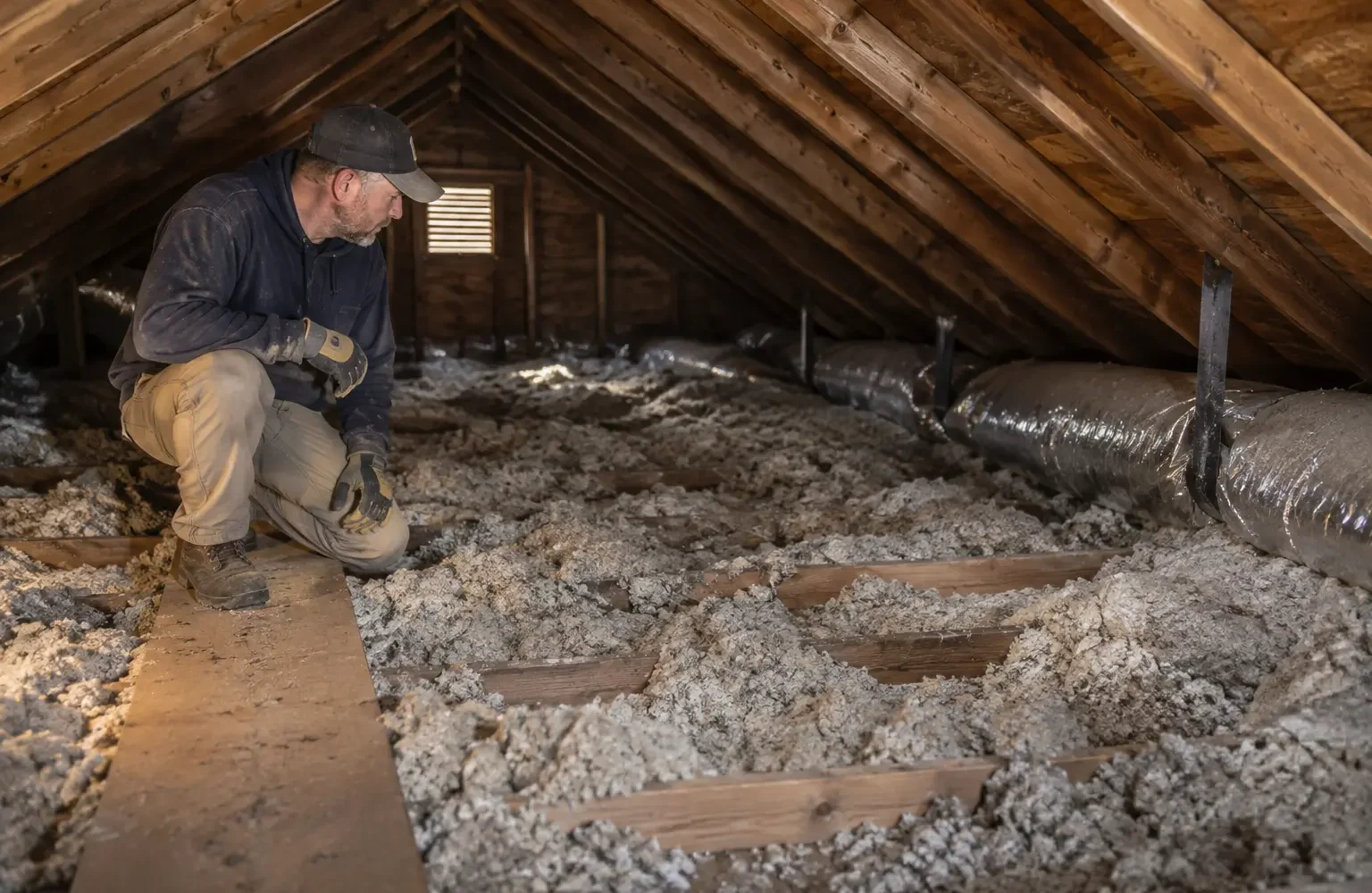
- Thin, settled or missing attic insulation
- Air leakage through upper-floor ceilings and chases
- Ducts in hot or cold spaces, or weak room airflow
- Large west-facing windows and roof exposure
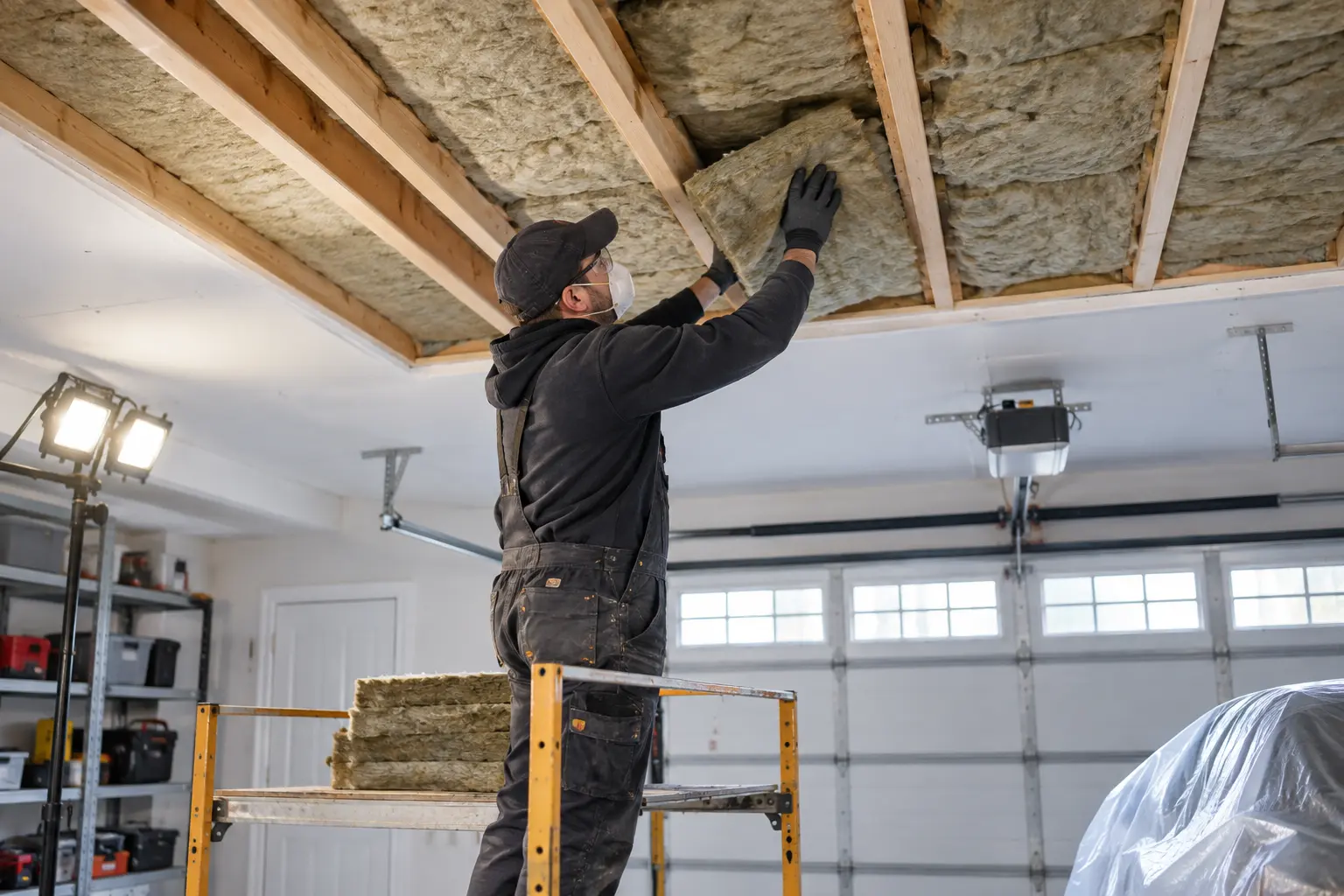
- Kneewall and sloped-ceiling gaps around finished attic rooms
Useful checks
Evidence that narrows the next step
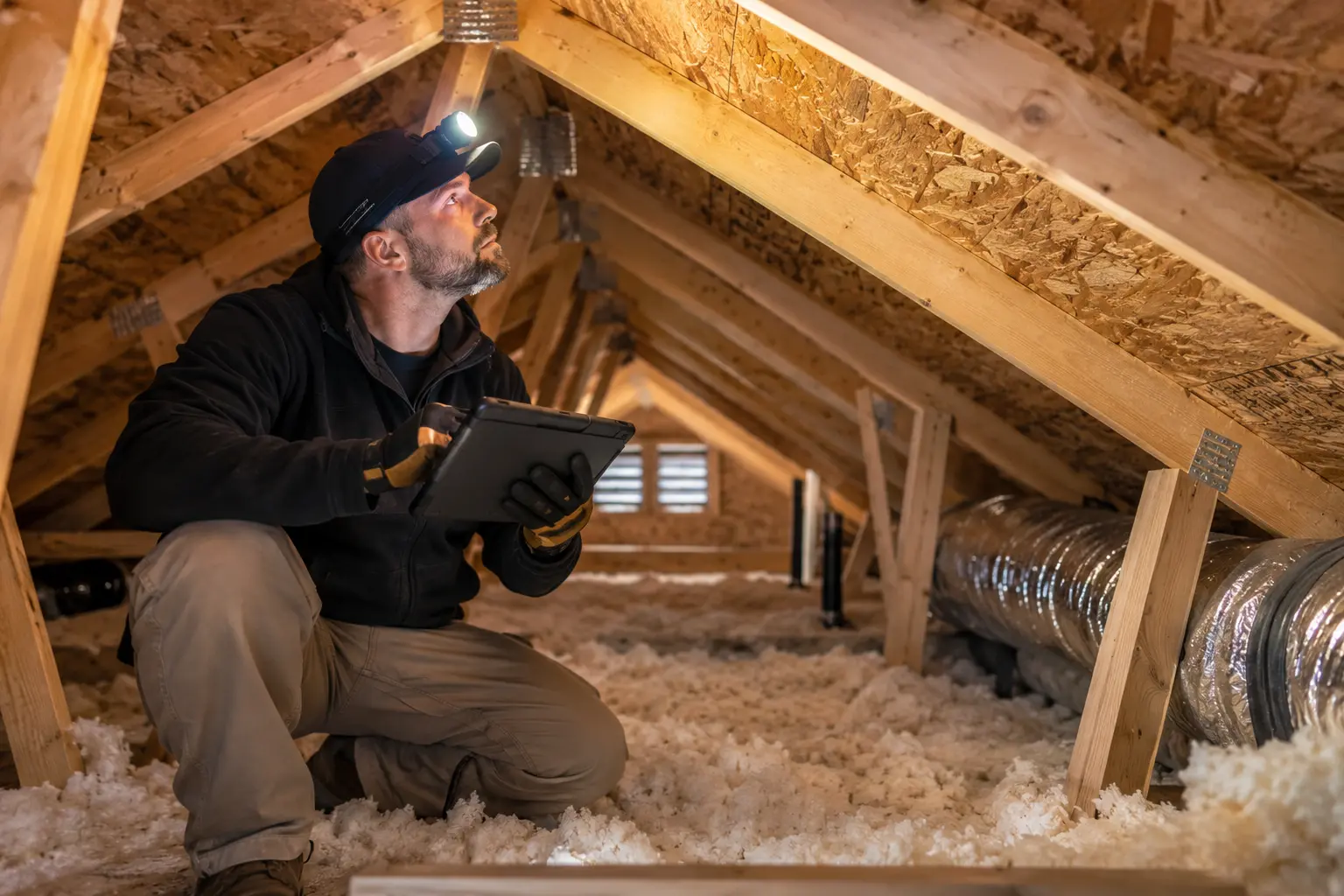
- Compare insulation depth across multiple zones
- Inspect eaves, transitions, hatches and kneewalls
- Look for disconnected ducts and obvious distribution limits
- Record which rooms, times and weather conditions produce the complaint
Oakville planning context
Connect the symptom to the home
Oakville homes with west-facing rooms, dormers or bedrooms above garages can have several overlapping comfort drivers. Mapping the affected rooms to the attic and duct layout helps separate insulation work from HVAC or window concerns.
What may happen next
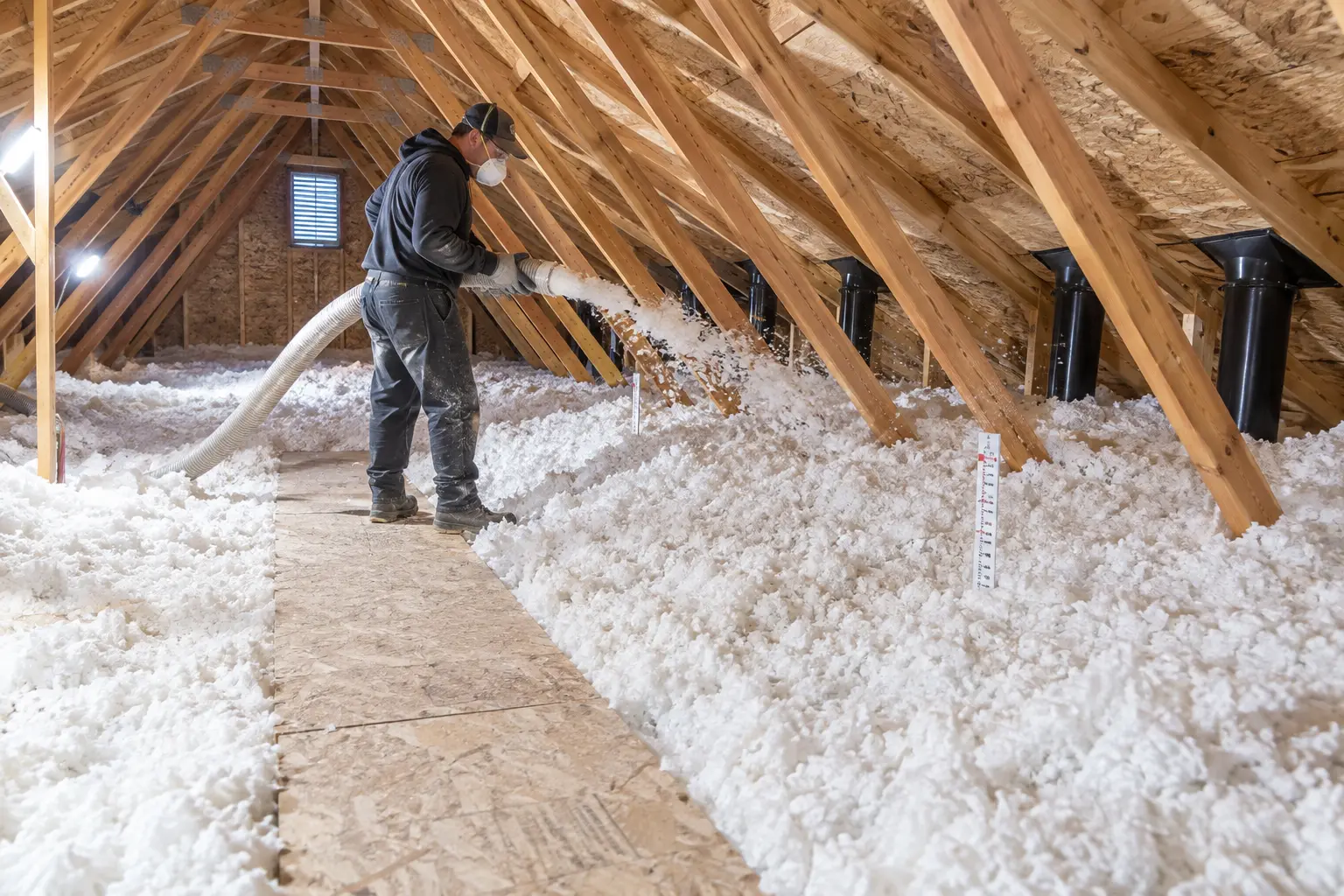
If attic coverage and air leakage are significant, a top-up or air-sealing scope may help. If one room remains different despite a sound enclosure, HVAC balancing or other building work may be the more relevant next step.
Clear answers
Questions about uneven upstairs temperatures
Why is only one bedroom uncomfortable?
That room may have different roof exposure, windows, exterior walls or airflow. A whole-attic top-up is not automatically the answer.
Will R-50 guarantee even rooms?
No. R-value reduces heat flow but does not correct every duct, window or air-balance issue.
Relevant services