Direct answer
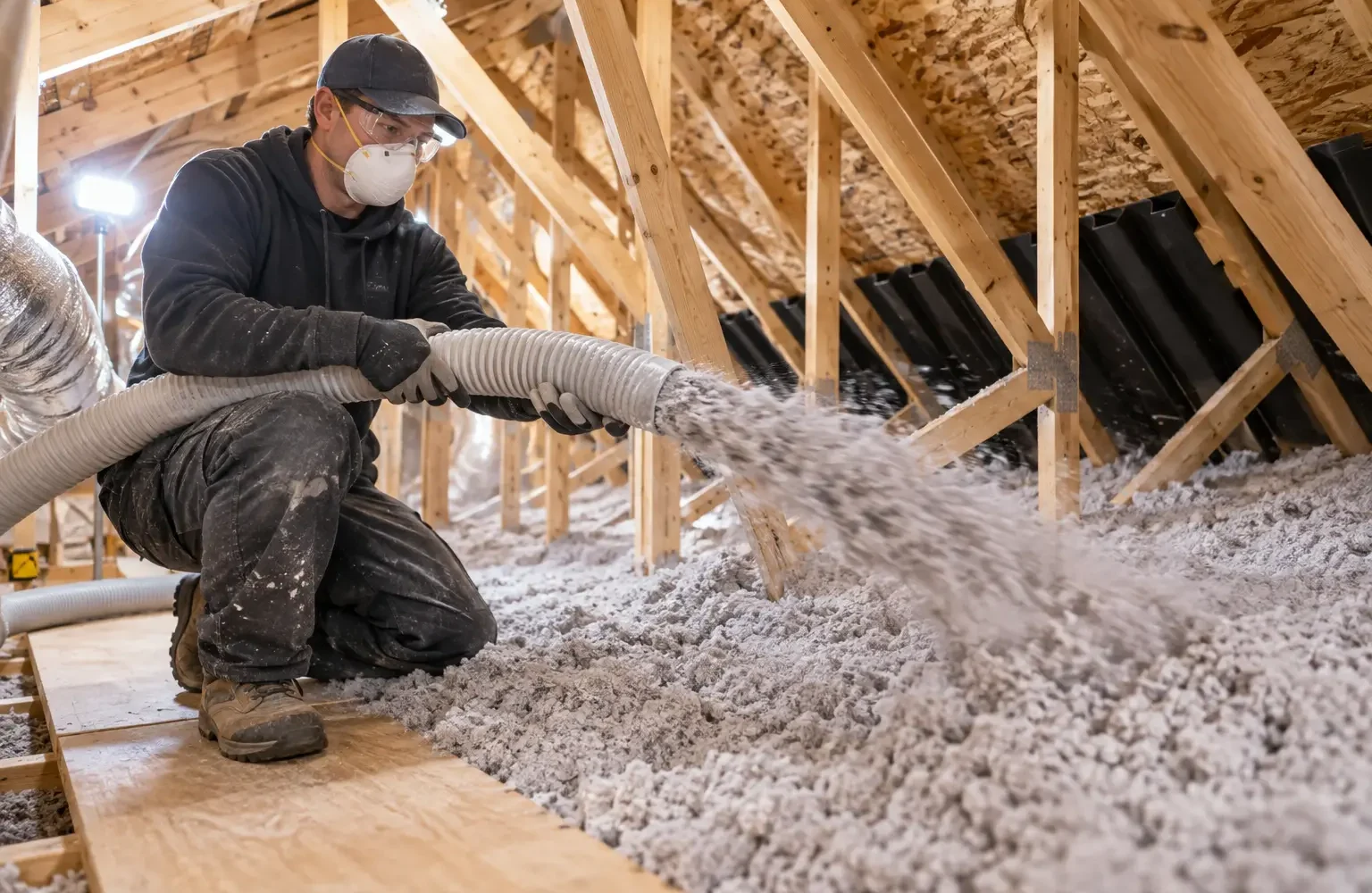
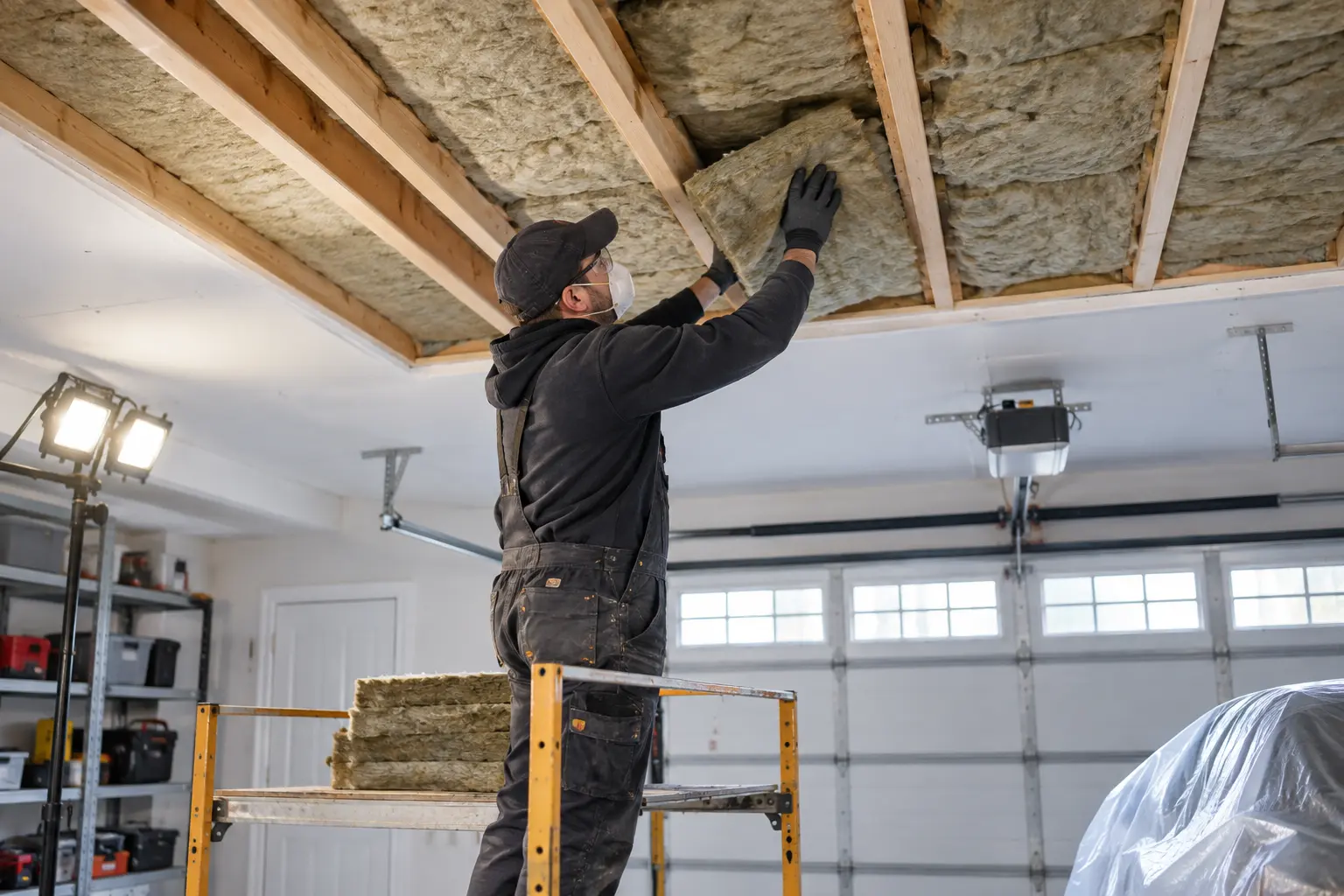
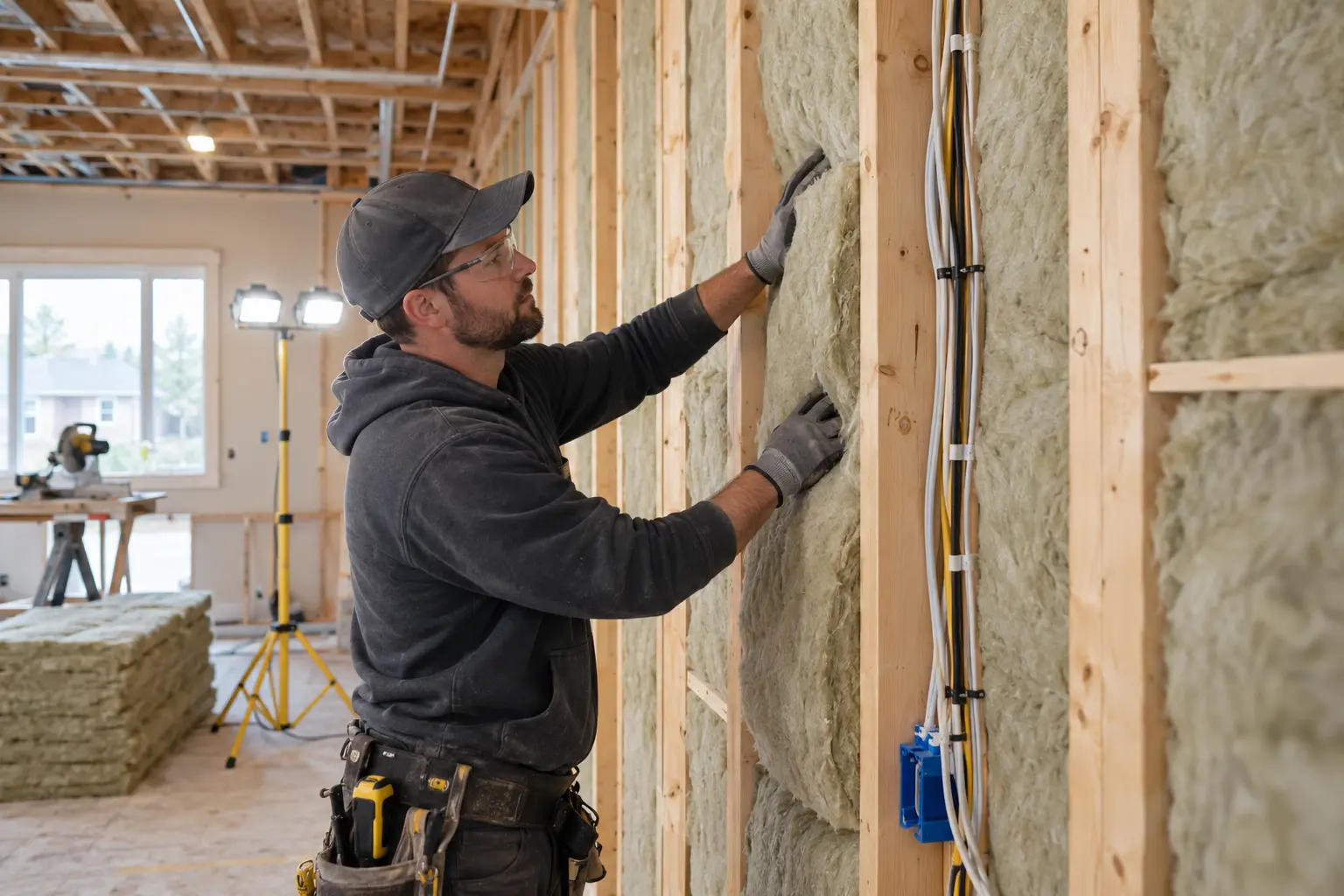
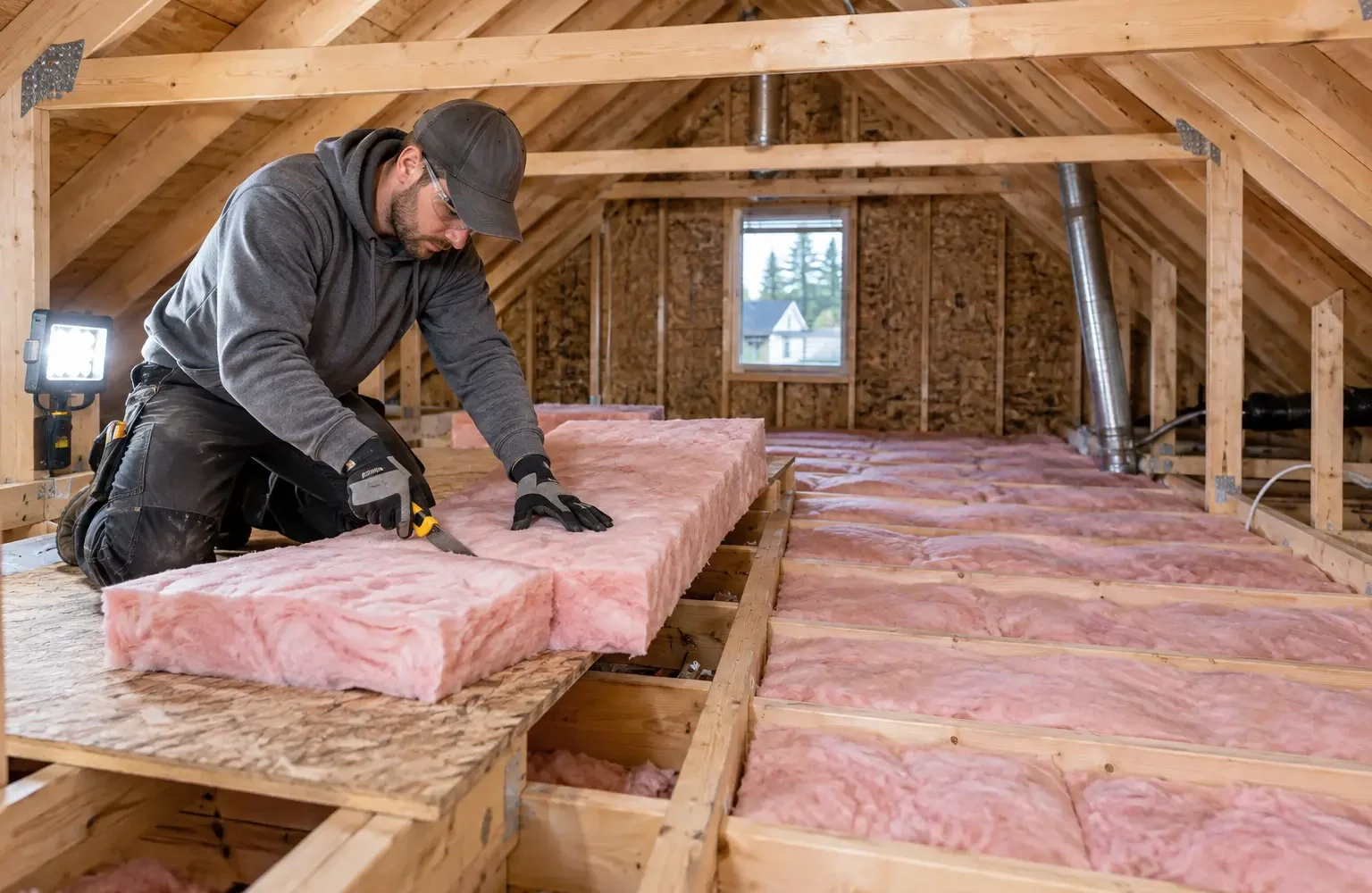
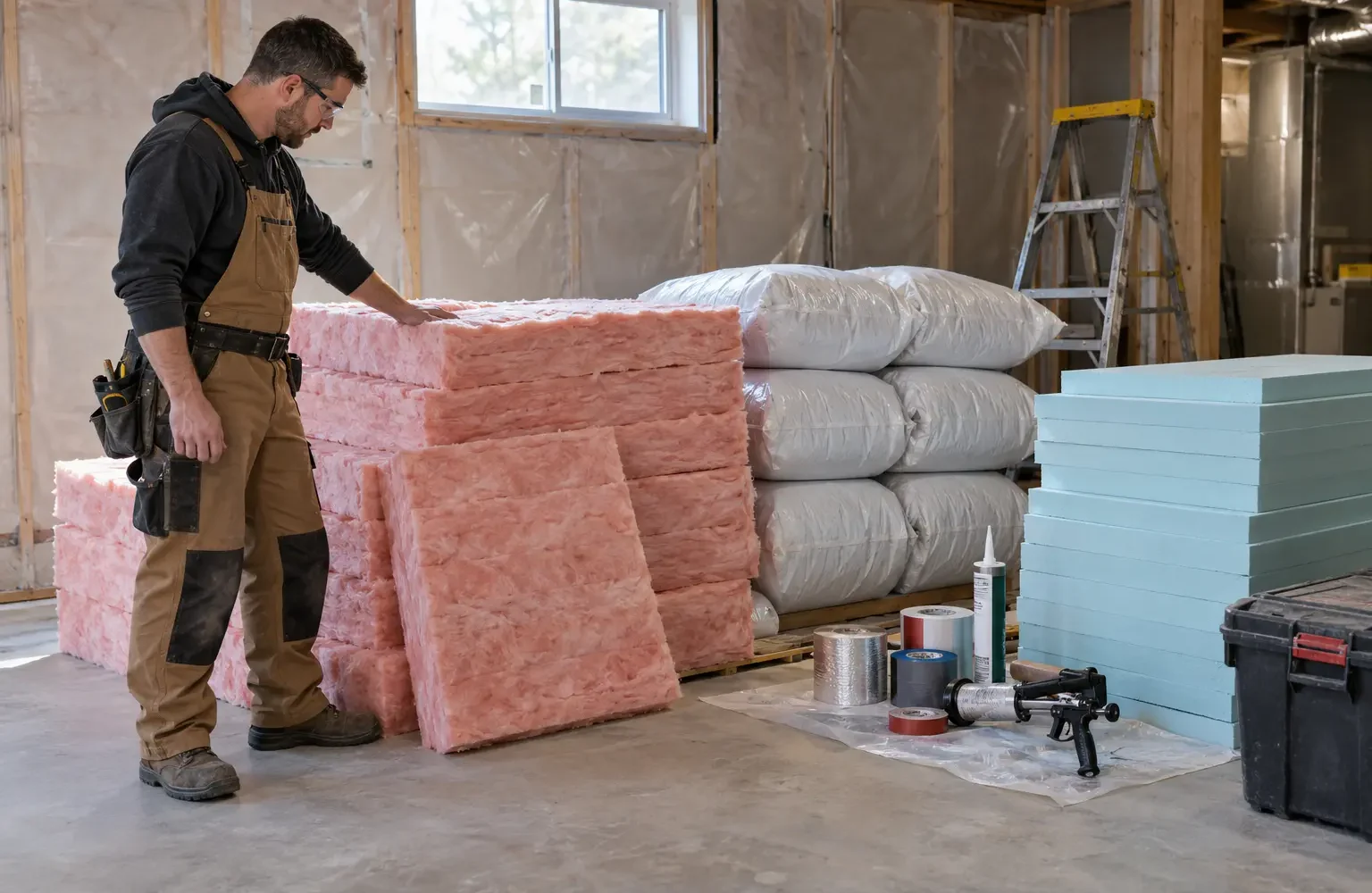
Fibreglass is available as loose-fill and preformed batts. Loose-fill can suit open attic floors; batts can suit accessible framed cavities when each piece is fitted without voids, compression or gaps.
Start with the assembly
Plan the work around the existing condition
Performance depends on the installed condition. A batt forced around cables or cut poorly at framing loses continuity. Loose-fill needs the correct depth and distribution. In either form, fibreglass does not replace the need to address air leakage, moisture sources or ventilation details.
- Open attic areas suited to loose-fill coverage
- Framed walls, kneewalls or ceilings with accessible cavities
- Projects needing a non-combustible glass-fibre product
- Compatible top-ups over suitable existing material
Assessment
What should be checked before the scope is set
- Cavity dimensions and obstructions
- Required thermal resistance and available depth
- Vapour, air and ventilation layers in the assembly
- Material condition at transitions and edges
Possible scope
The work should follow the findings
These are common directions, not automatic inclusions. The final scope depends on access, existing materials and the condition found on site.
Blown loose-fill across prepared attic floors
Friction-fit batts in open framing
Targeted pieces around irregular but accessible details
Oakville planning context
How the local housing condition can shape the scope
Fibreglass can suit both attic floors and accessible framed cavities found in Oakville houses. Product form should follow the location: loose-fill for broad prepared areas and carefully fitted batts for open framing.
Important boundary
Fibreglass should remain dry and should not be treated as an air barrier. Damaged roof assemblies or persistent condensation need diagnosis before material is enclosed or covered.
Questions homeowners ask
Fibreglass Insulation FAQs
Is fibreglass safe in an attic?
Installed material should remain separated from living space by the building assembly. Installers use appropriate protective equipment and follow product instructions.
Can fibreglass get wet?
Water can reduce performance and create conditions that require removal or drying. The moisture source must be corrected first.
Loose-fill or batts?
The choice depends on access, geometry, existing materials and the location being insulated.
Related planning