
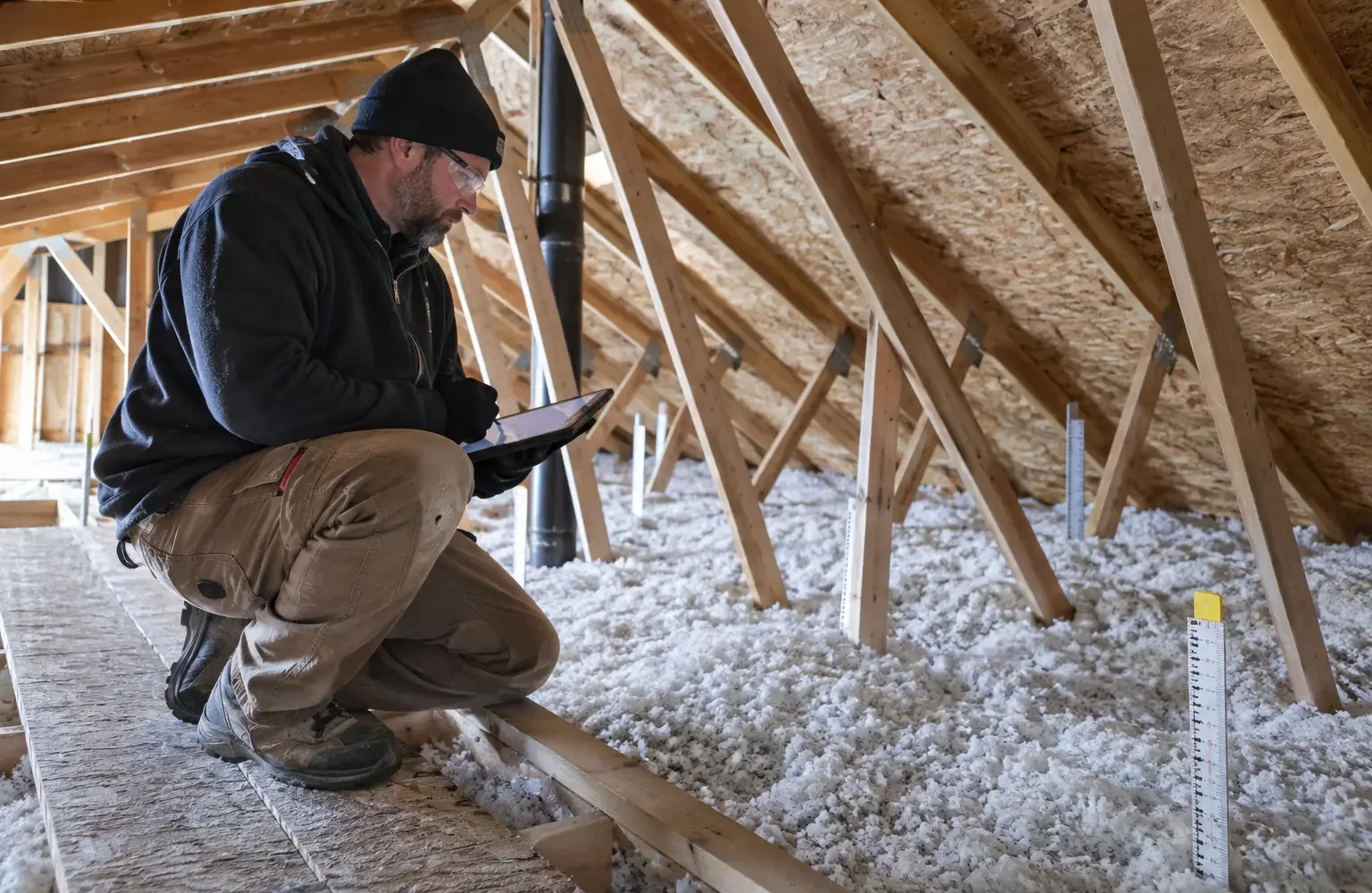
Symptoms need context
A comfort or moisture symptom can have more than one cause. Use these guides to understand what an assessment should check before a service is chosen.
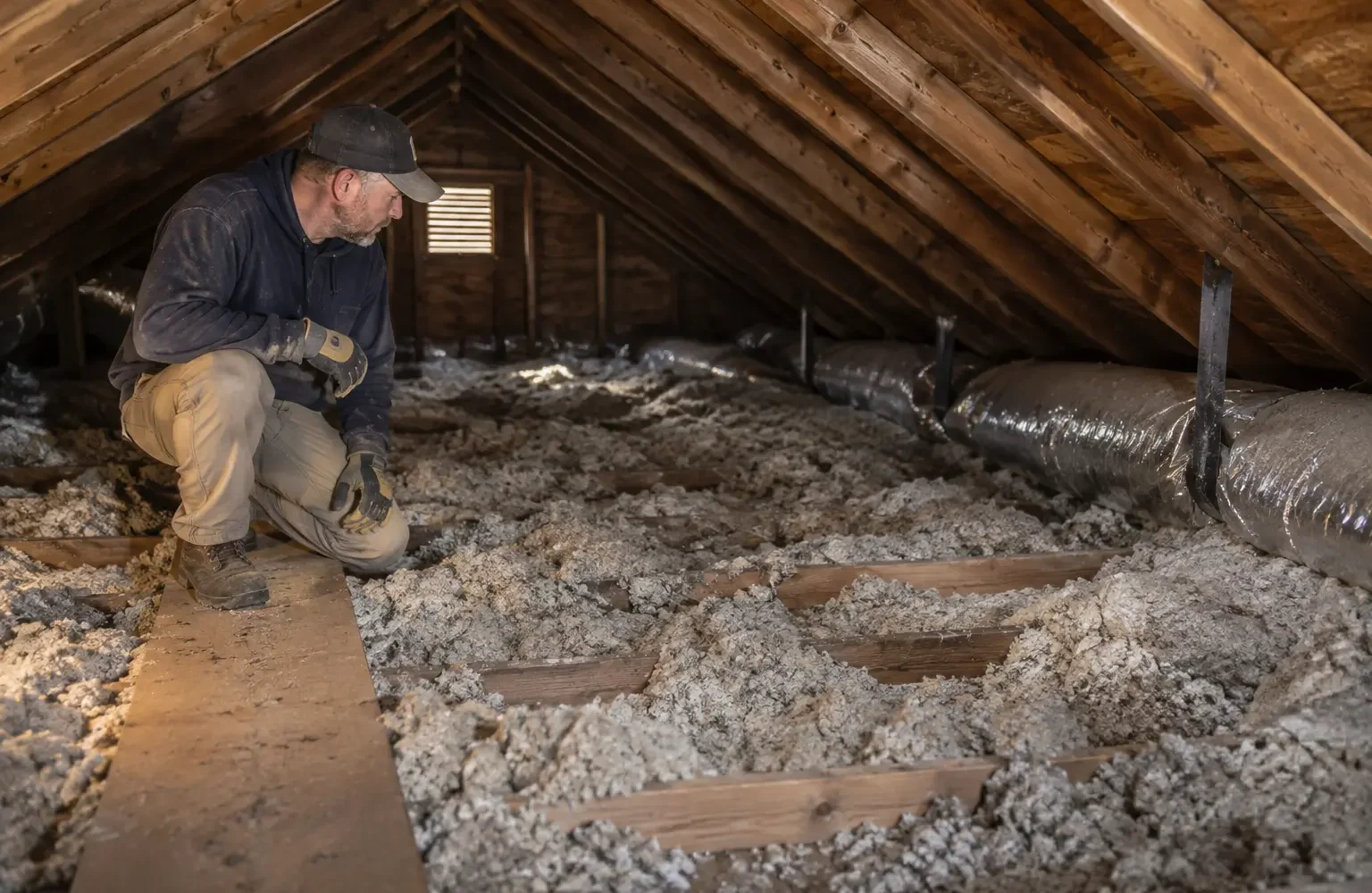 Uneven Upstairs Temperatures
A second floor that is hot in summer and cold in winter can point to attic heat flow—but insulation is only one possible contributor. Coverage, air leakage, duct performance, solar exposure, windows and HVAC balance can overlap.
Understand the issue →
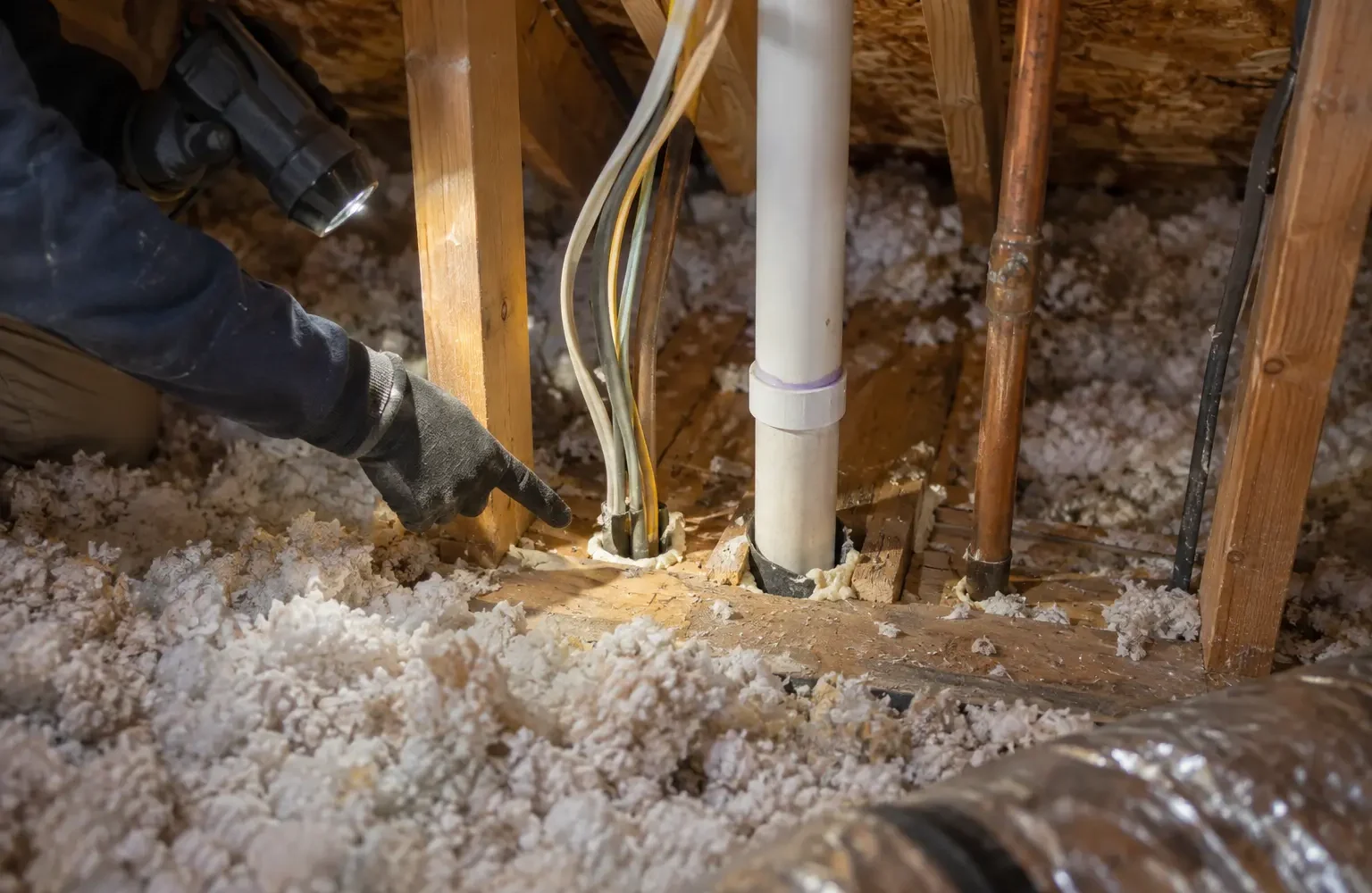 Attic Drafts & Air Leakage
Air leakage is the uncontrolled movement of air through gaps in the building enclosure. At the upper ceiling, it can carry heat and indoor moisture into the attic and make insulation less effective around the leakage path.
Understand the issue →
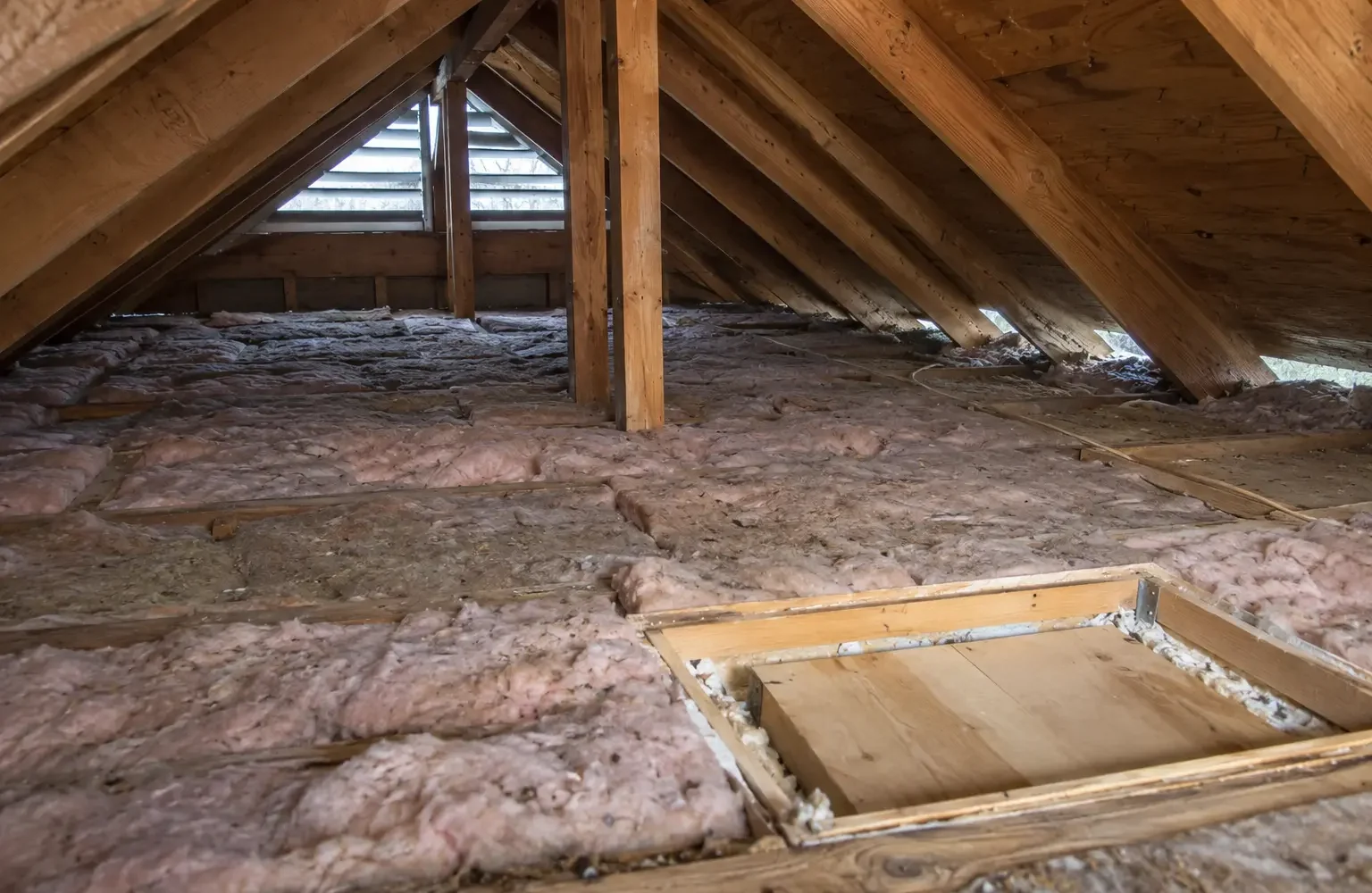 High Heating & Cooling Loss
High energy use does not identify one failed component. Attic insulation and ceiling leakage can matter, but equipment efficiency, thermostat settings, ducts, windows, walls, basement conditions and household use also affect consumption.
Understand the issue →
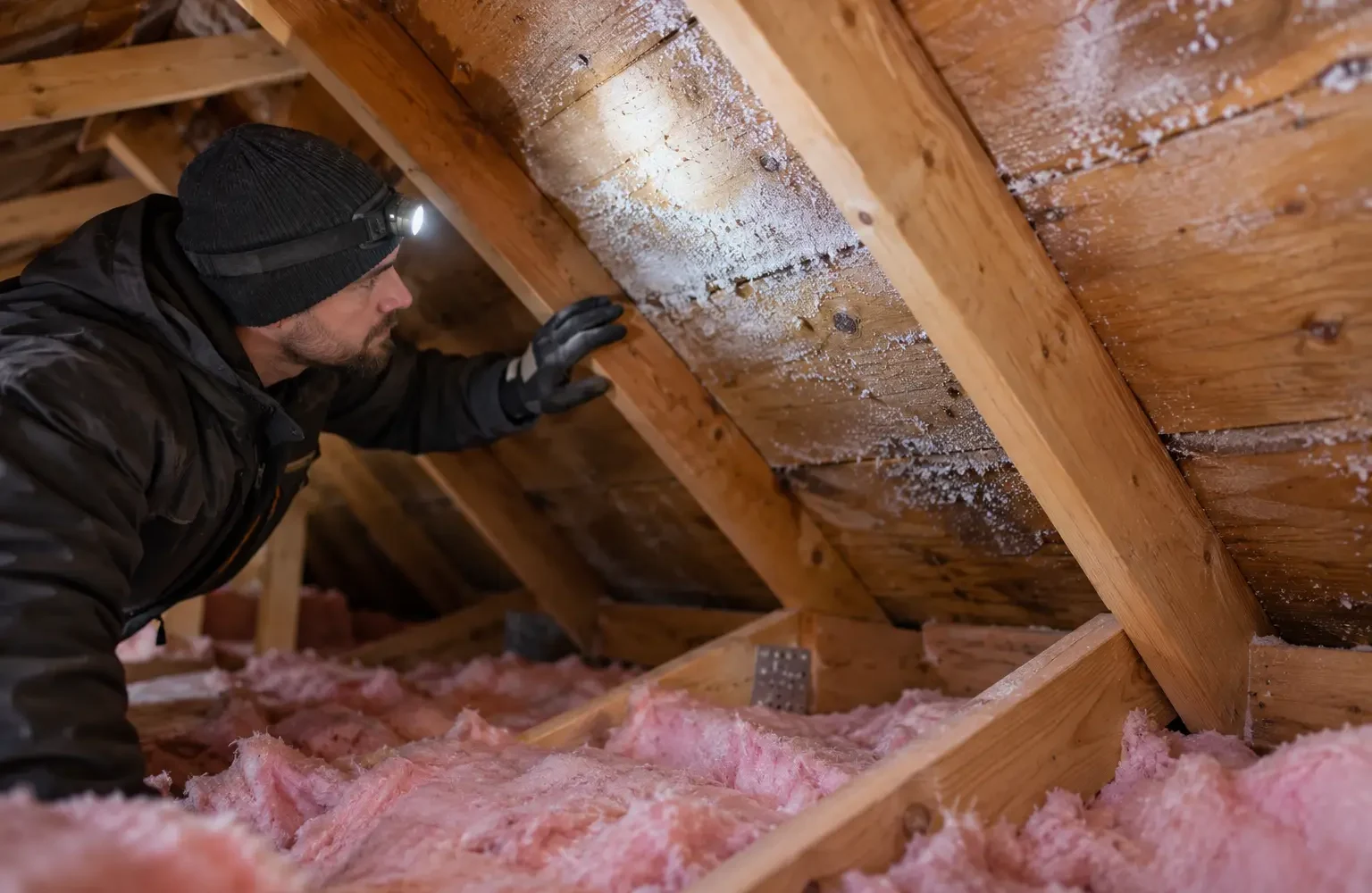 Attic Condensation & Frost
Winter frost forms when moisture reaches a cold surface and freezes. In attics, the moisture may come from indoor air leakage, a disconnected exhaust duct, high indoor humidity or, less commonly, an exterior water source.
Understand the issue →
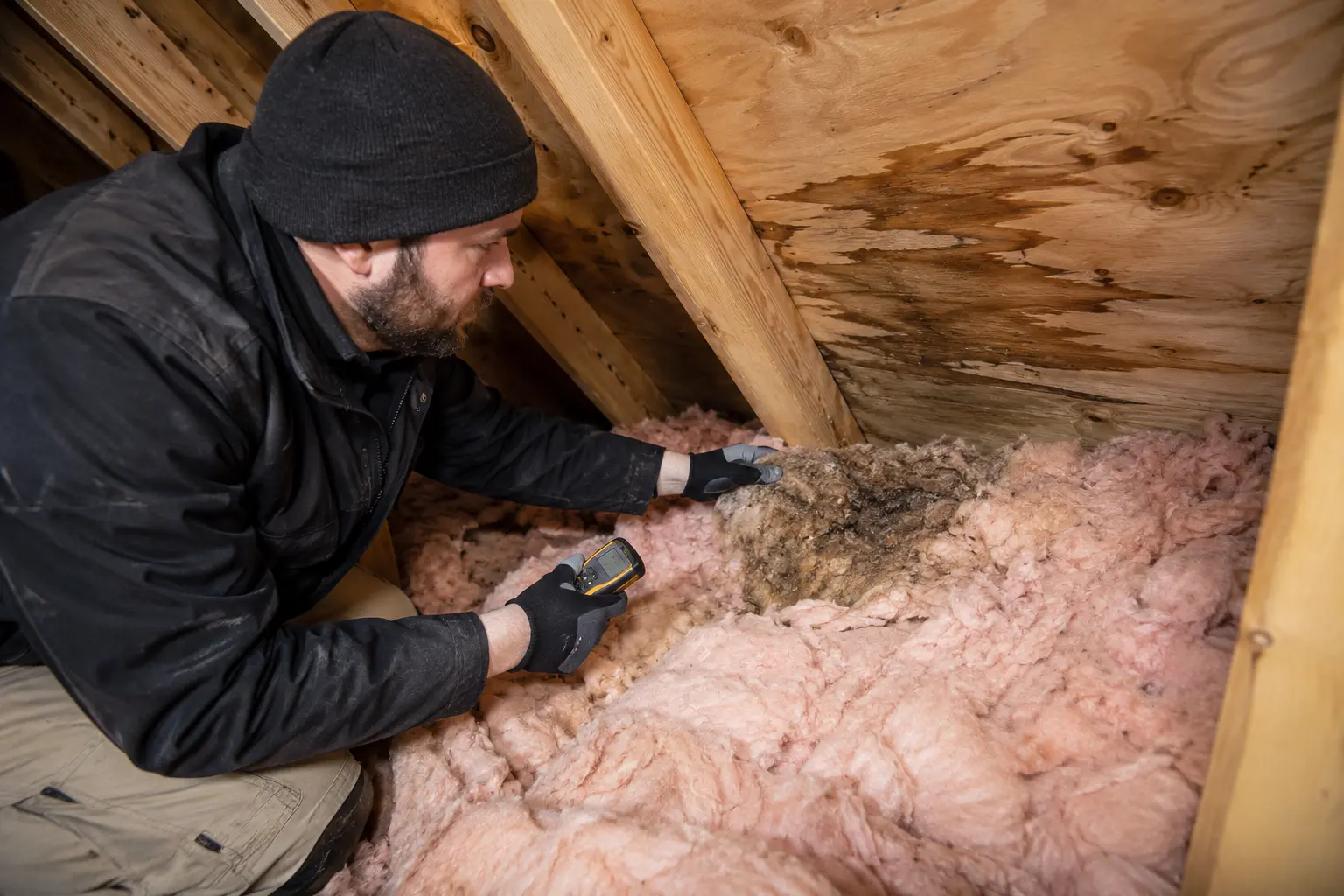 Leak-Damaged Insulation
Wet insulation should be treated as evidence, not just debris. The water source must be identified and repaired before affected material is replaced or covered.
Understand the issue →
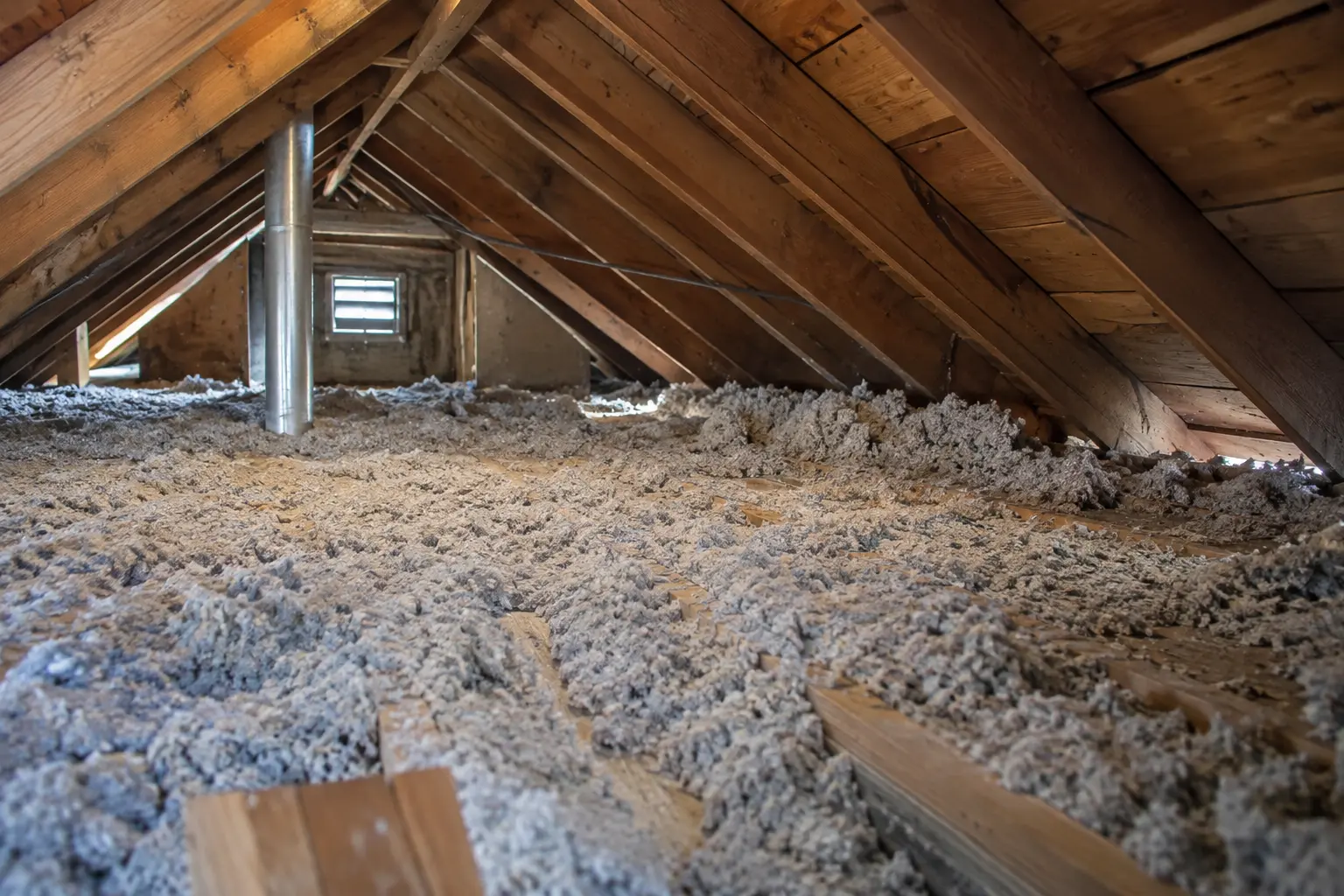 Old, Thin or Uneven Insulation
Older insulation is not automatically useless. The important questions are its type, condition, depth, distribution and whether it can stay safely beneath a compatible top-up.
Understand the issue →
When a specialist should be involved
Suspected asbestos or vermiculite, mould growth, pest contamination, structural movement and active roof leaks need the appropriate qualified assessment. Ordinary insulation work should not cover or disturb an unknown condition.