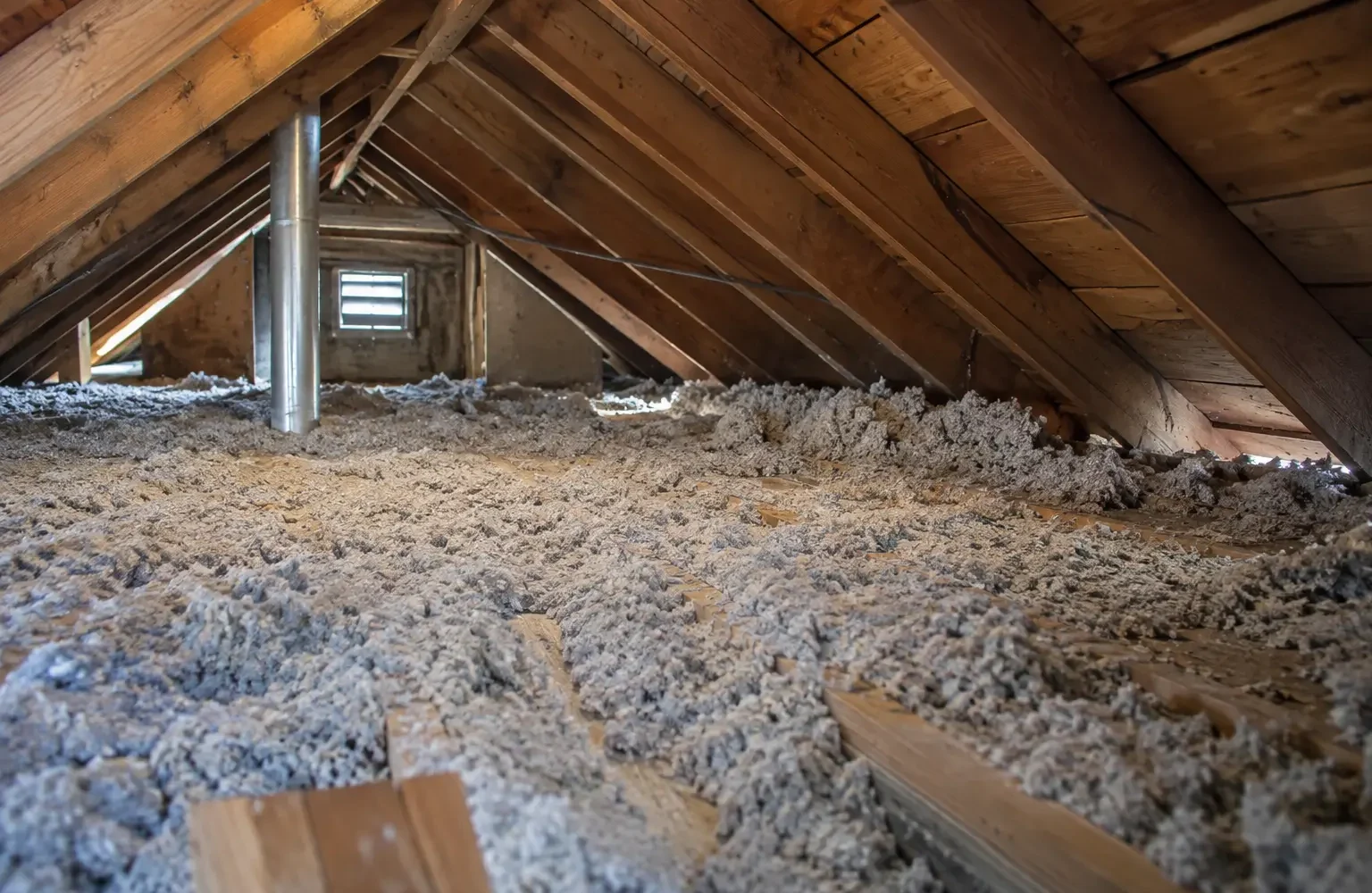
What this can mean
Older insulation is not automatically useless. The important questions are its type, condition, depth, distribution and whether it can stay safely beneath a compatible top-up.
Potential contributors
Look beyond a one-cause answer
- Normal settling of loose-fill
- Trades moving material to reach wiring or ducts
- Wind washing near unprotected eaves
- Storage platforms compressing insulation
- Past leaks or localized contamination
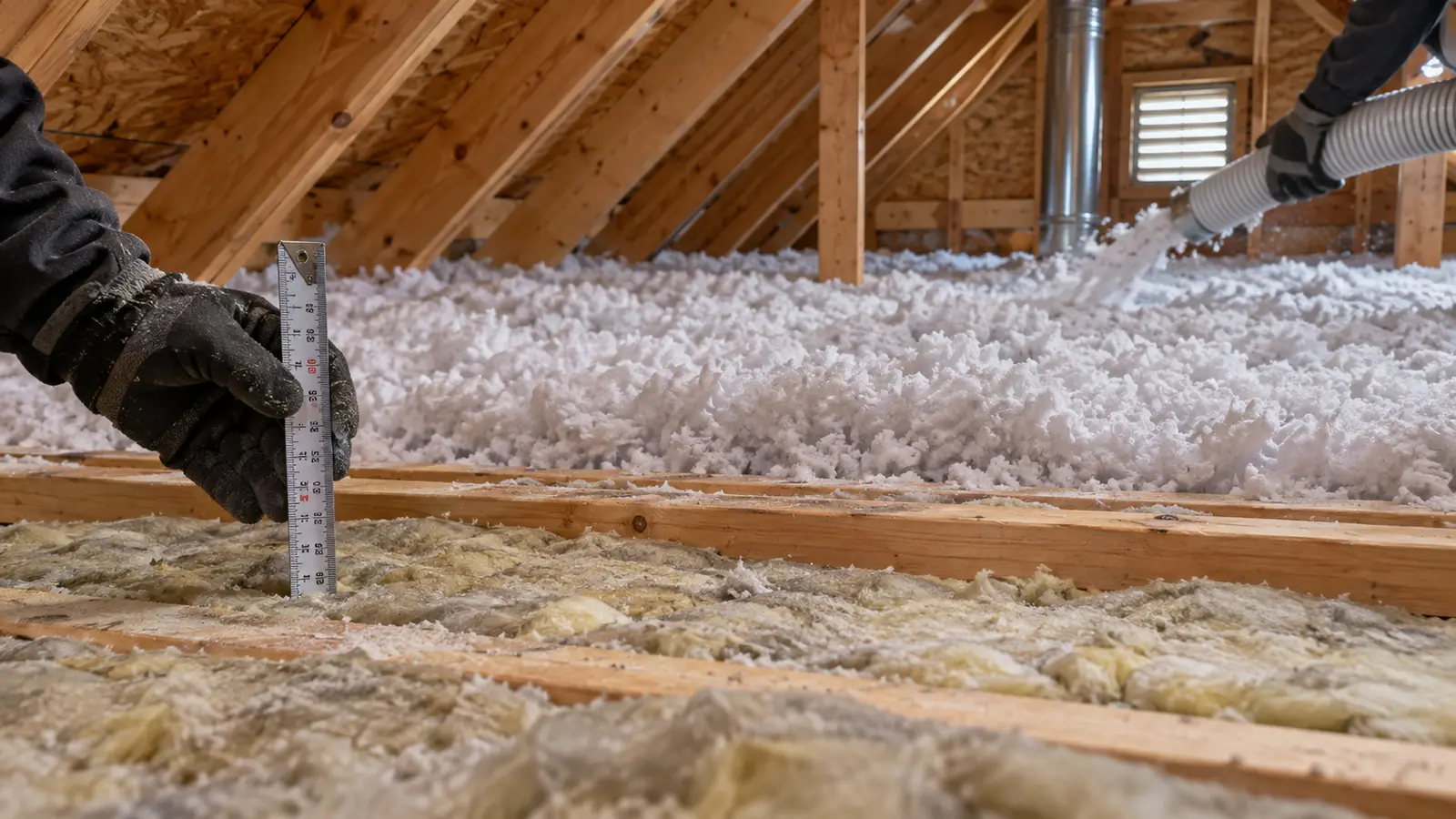
Useful checks
Evidence that narrows the next step
- Measure more than one location
- Look beneath apparent bare strips for joist layout
- Identify wet, contaminated or suspect materials
- Check eave protection before increasing depth
Condition before age
Uneven insulation can be serviceable, damaged or evidence of another problem
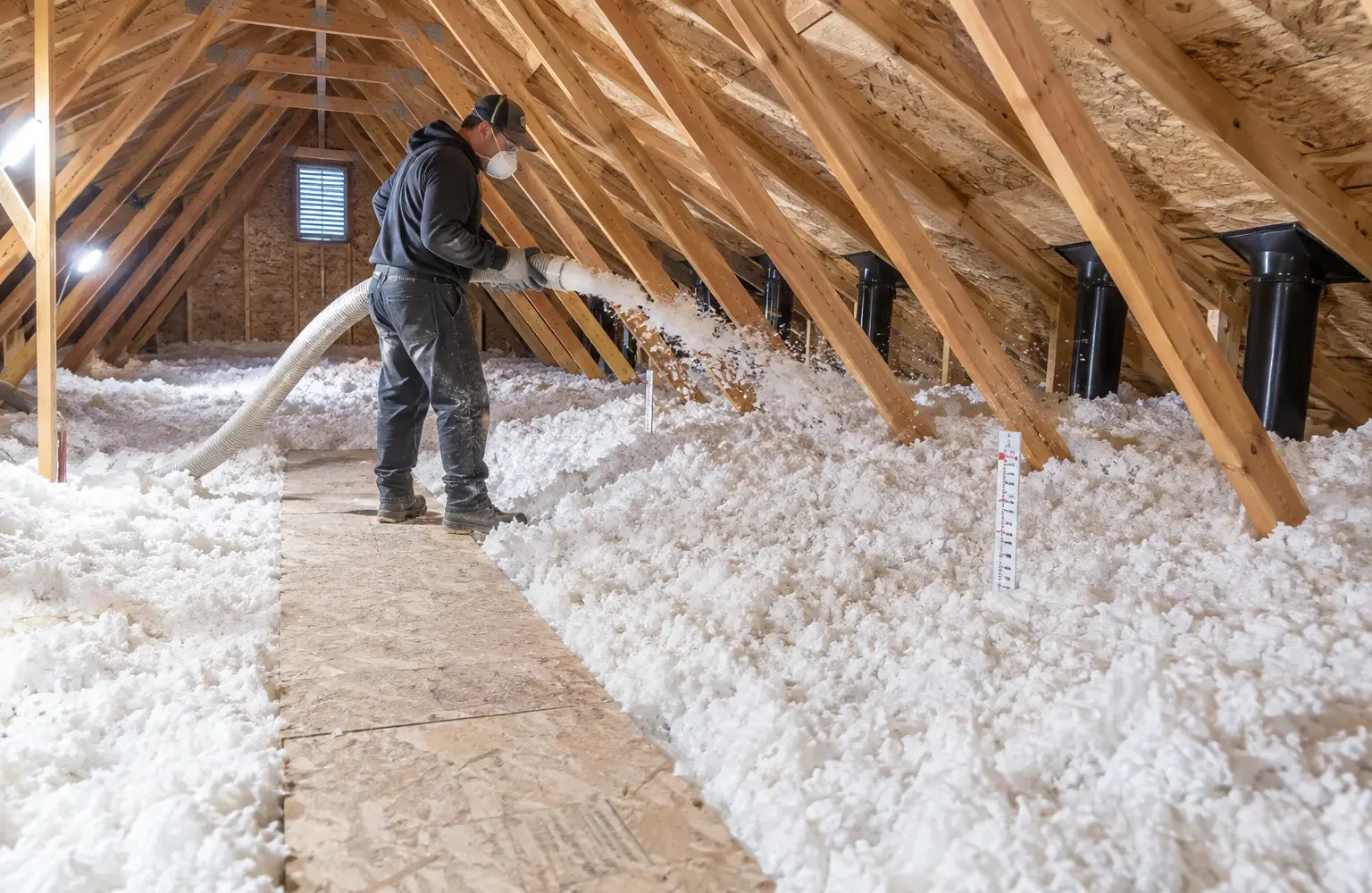
Loose-fill naturally settles, and trades can disturb material during wiring or renovation. Batts can be compressed by storage or fitted poorly around framing. Those conditions may support levelling and a top-up. Wetness, contamination or suspect material changes the decision.
Identify every layer
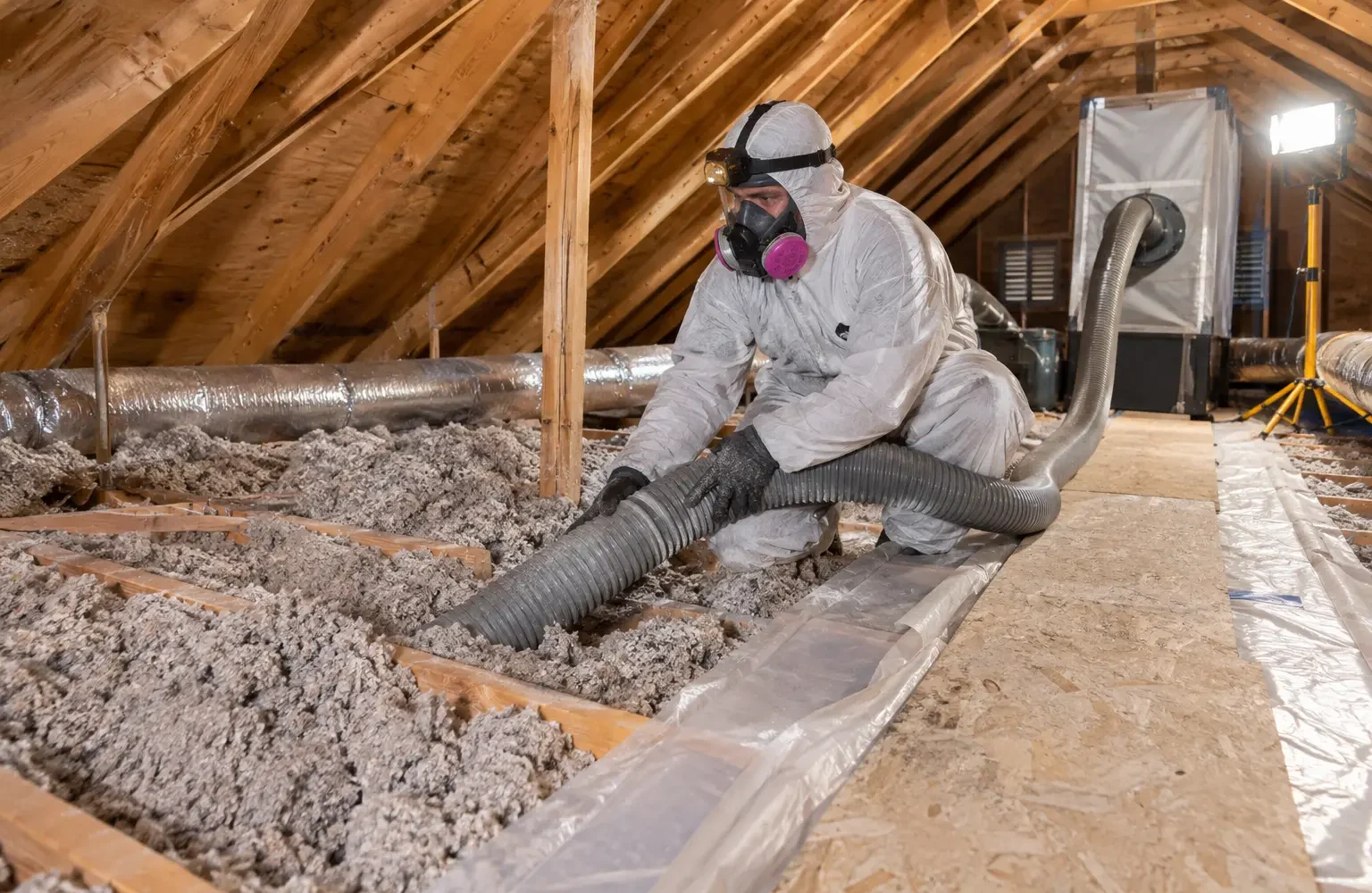
Older attics may contain batts beneath loose-fill, more than one fibre type, or additions insulated in a different era. Record the visible material and measure separate zones rather than averaging them together. Unknown granules or vermiculite-like material should not be disturbed until appropriately assessed.
Age by itself does not erase thermal resistance. Dry, stable material can continue to contribute when it is compatible with the planned work.
Ask why the surface is uneven
Low areas may reflect normal settlement, walking, wind washing at the eaves, past electrical work or a roof leak that matted the fibre. High piles can hide bare areas beside them. Following the pattern helps distinguish a simple redistribution issue from a condition requiring removal or repair.
Storage boards placed directly over insulation compress it and can create unsafe walking conditions. A future service platform should be designed above the intended depth.
Decision table
Match the work to the observed material
| Observed condition | Likely planning direction |
|---|---|
| Clean, dry and shallow loose-fill | Level localized areas, complete preparation and consider a compatible top-up. |
| Clean batts with isolated gaps | Refit accessible sections and evaluate how a continuous upper layer will be created. |
| Localized wet material after a repaired leak | Remove the affected material, confirm drying and restore coverage. |
| Widespread contamination or damage | Define removal, specialist boundaries and corrective work before replacement. |
| Unknown or vermiculite-like material | Stop disturbance and obtain appropriate assessment. |
Measure each attic zone
Oakville homes with additions, dormers and split rooflines can contain several insulation histories. The main attic may suit a top-up while a low addition needs separate access or corrective work. A zone-by-zone scope prevents one average measurement from masking that difference.
Document the symptom
Create a record that can be compared after the work
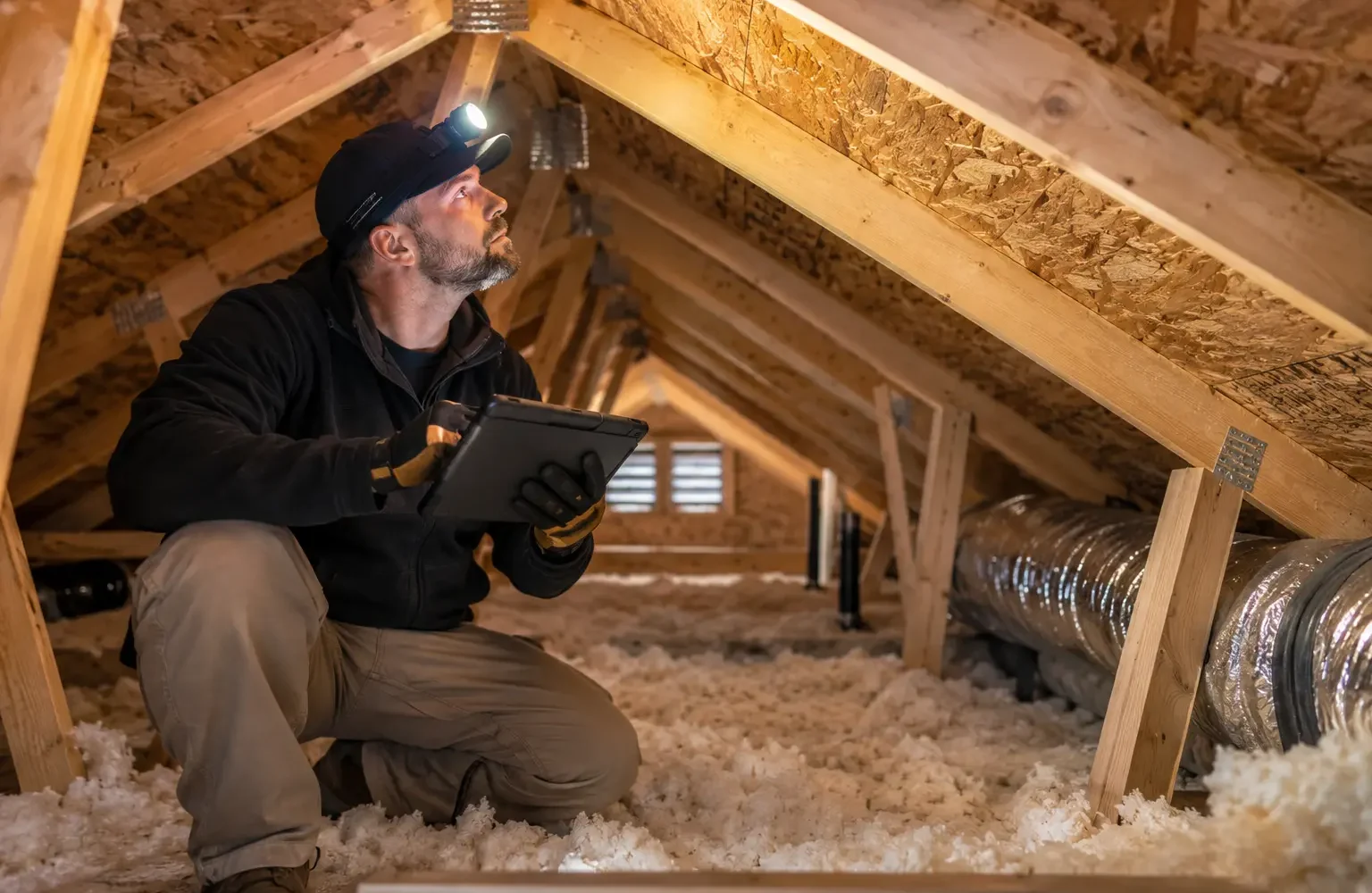
Photograph the location and pattern before weather or repairs change it. Record the affected rooms, time of day, outdoor conditions, indoor humidity when relevant, equipment operation and recent roof or renovation history. These observations help separate an attic finding from window, HVAC, roofing or household factors.
Ask the written scope to name the finding it is intended to address, the areas included, preparation, material or repair approach and any cause that remains outside the insulation contractor’s role. If another qualified trade must act first, that sequence should be explicit. This keeps a symptom page from turning into a default product recommendation.
After corrective work, repeat the same observations under reasonably similar conditions. A useful review looks for a change in the original symptom and confirms that the completed scope preserved access, clearances, exhaust routing and intended ventilation. Record any area that remained concealed or inaccessible so a future inspection does not mistake absence of evidence for proof of condition.
Results should be described in terms the treated assembly can influence. Exact room temperatures, energy bills, humidity and roof behaviour still depend on weather, equipment, windows, other enclosure areas and household operation. It does not replace specialist testing where the original condition falls outside ordinary insulation work.
Oakville planning context
Connect the symptom to the home
Renovations and additions can leave an Oakville attic with more than one material and depth. Measuring each accessible zone helps distinguish a straightforward top-up from localized corrective work.
What may happen next
Clean, dry and compatible material may support levelling and a top-up. Damaged or unsuitable material may need targeted or broader removal first.
Clear answers
Questions about old, thin or uneven insulation
Does insulation expire?
There is no single expiry date. Physical condition and installed performance matter.
Can I rake old insulation flat?
Disturbance can expose hazards or damage components. Assessment should come before moving unknown material.
Relevant services