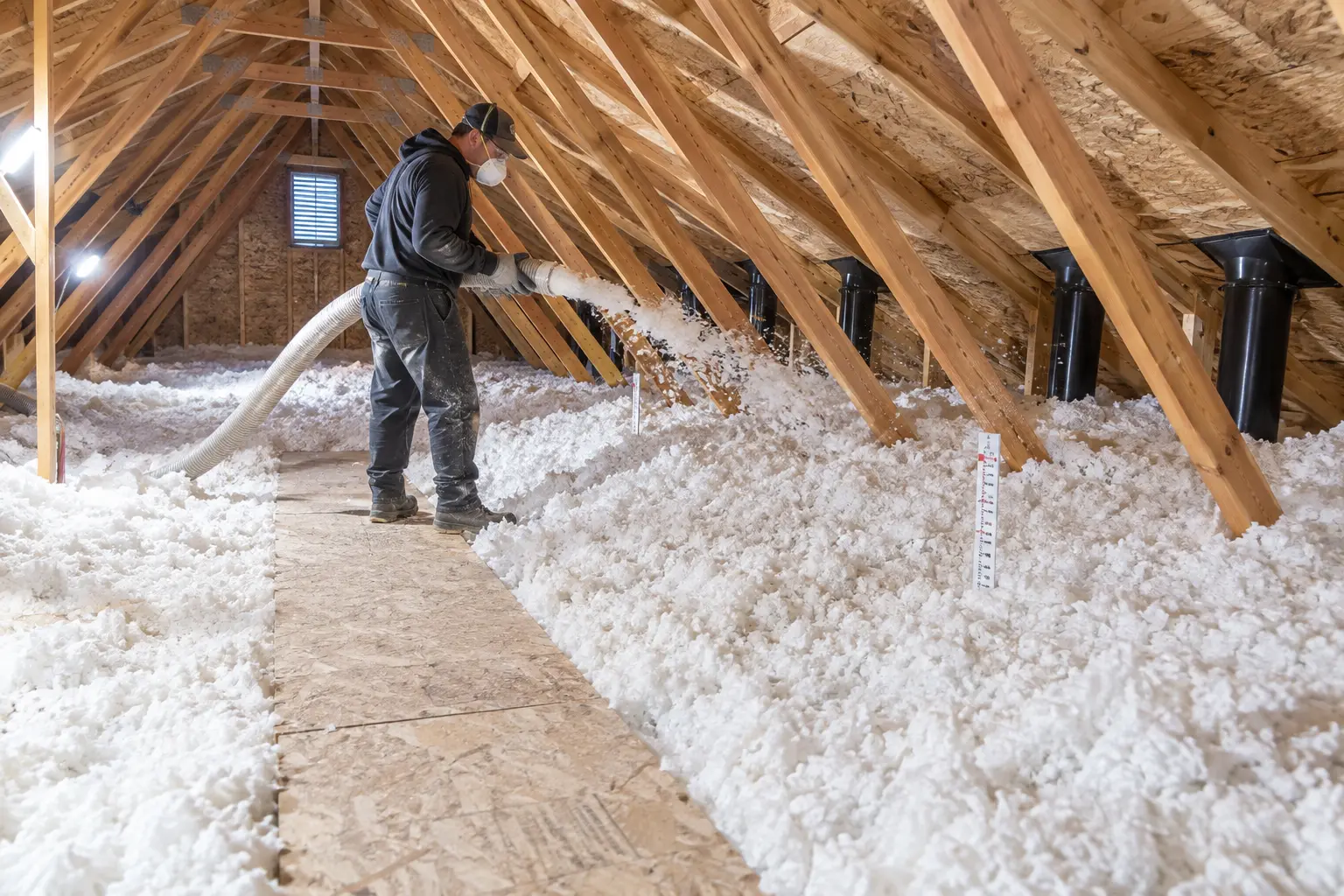
Direct answer
A top-up adds insulation over material that is still suitable to remain. It is most appropriate when the attic is dry, reasonably clean, compatible with the new material and free of unresolved roof, exhaust or pest problems.
Start with the assembly
Plan the work around the existing condition
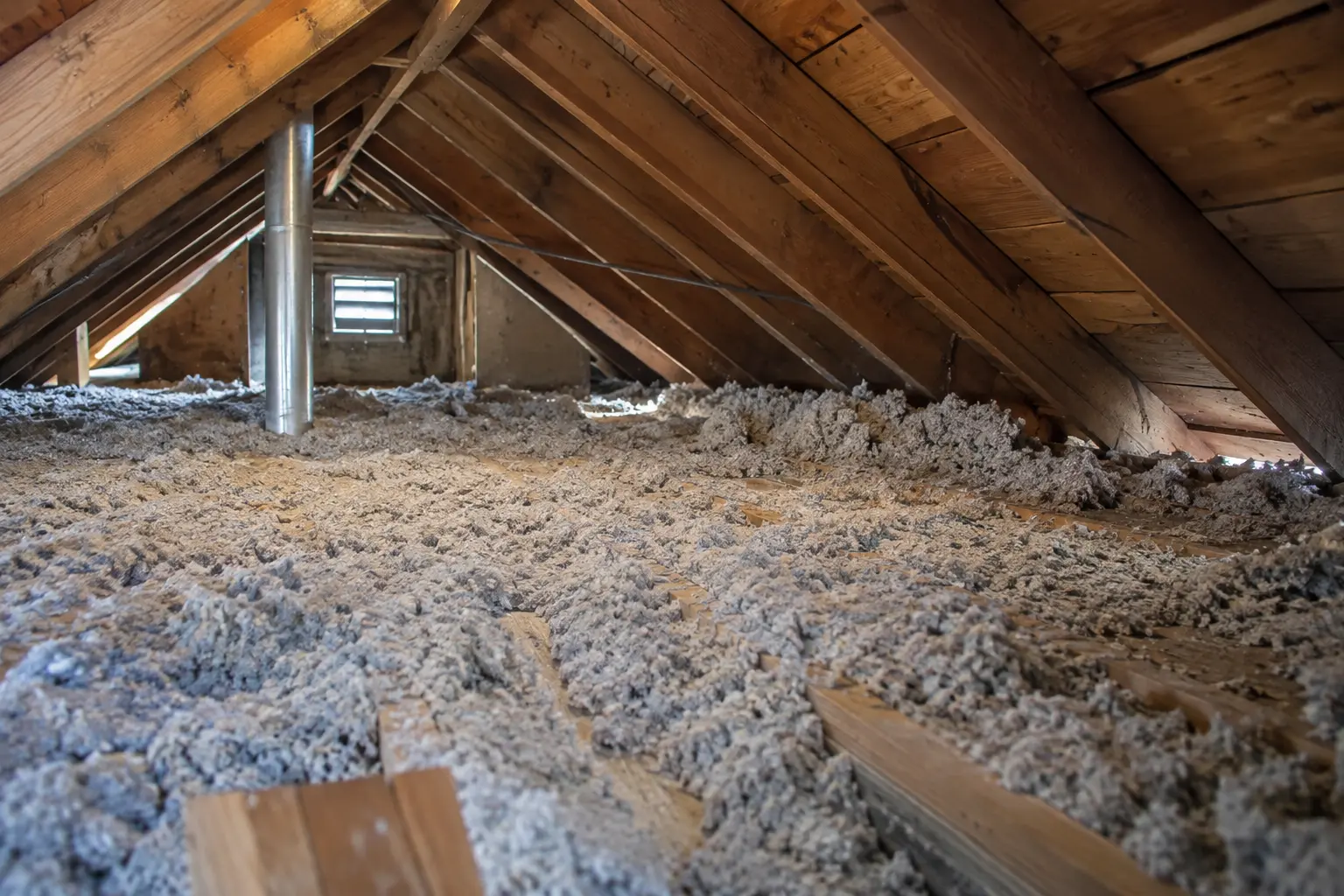
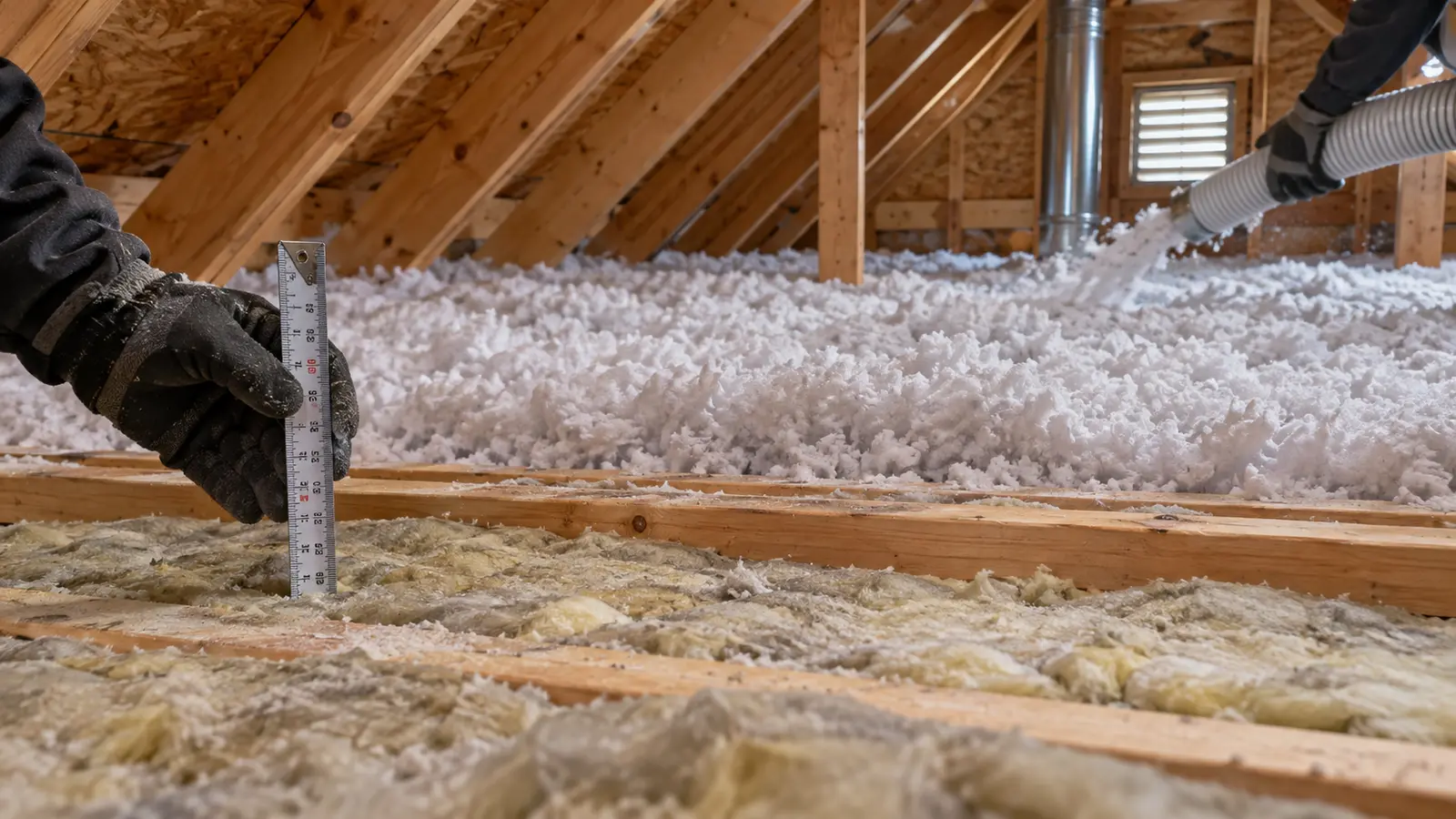
The useful question is not simply whether more material will fit. The assessment should establish what is already present, whether coverage is even, whether eaves and baffles remain functional, and whether air sealing is accessible. Settled loose-fill, shallow coverage and disturbed edges can support a top-up; wet or contaminated insulation usually changes the decision.
- Existing insulation is below the intended thermal level
- Coverage is generally clean but shallow or settled
- Bare areas appeared after electrical or renovation work
- A rebate or energy report calls for a higher attic R-value
Assessment
What should be checked before the scope is set
- Material compatibility and condition
- Starting depth across multiple attic zones
- Clearance at eaves, heat sources and access routes
- Air leakage, moisture staining and exhaust termination
Possible scope
The work should follow the findings
These are common directions, not automatic inclusions. The final scope depends on access, existing materials and the condition found on site.
Level localized disturbed areas before the main top-up
Install or correct baffles where eave airflow needs protection
Add depth markers and distribute material evenly across the eligible area
Oakville planning context
How the local housing condition can shape the scope
In older Oakville homes, previous electrical work, additions and storage platforms can leave otherwise serviceable insulation uneven. A top-up plan should distinguish normal settling from water damage, contamination and areas that need preparation first.
Important boundary
A top-up should not bury a known defect. Active leaks, frost causes, disconnected exhaust ducts, vermiculite, suspected asbestos, mould growth or pest activity need appropriate investigation before added insulation.
Questions homeowners ask
Attic Insulation Top-Ups FAQs
Is a top-up cheaper than removing everything?
It usually involves less labour and disposal when existing insulation can responsibly stay, but the correct choice depends on condition rather than price alone.
Does a top-up require an energy assessment?
Some rebate routes do and others may not. Program rules change, so eligibility and sequencing should be confirmed before work begins.
Will a top-up fix a hot second floor?
It can help when attic coverage is a major cause, but duct performance, solar gain, air leakage and HVAC balance can also contribute.
Related planning