What this can mean
High energy use does not identify one failed component. Attic insulation and ceiling leakage can matter, but equipment efficiency, thermostat settings, ducts, windows, walls, basement conditions and household use also affect consumption.
Potential contributors
Look beyond a one-cause answer
- Low or inconsistent attic thermal resistance
- Air leakage at the top and bottom of the house
- Duct losses or heating and cooling equipment issues
- Large glazing areas and other enclosure gaps
- Operating patterns and indoor temperature settings
Useful checks
Evidence that narrows the next step
- Review utility trends rather than one bill
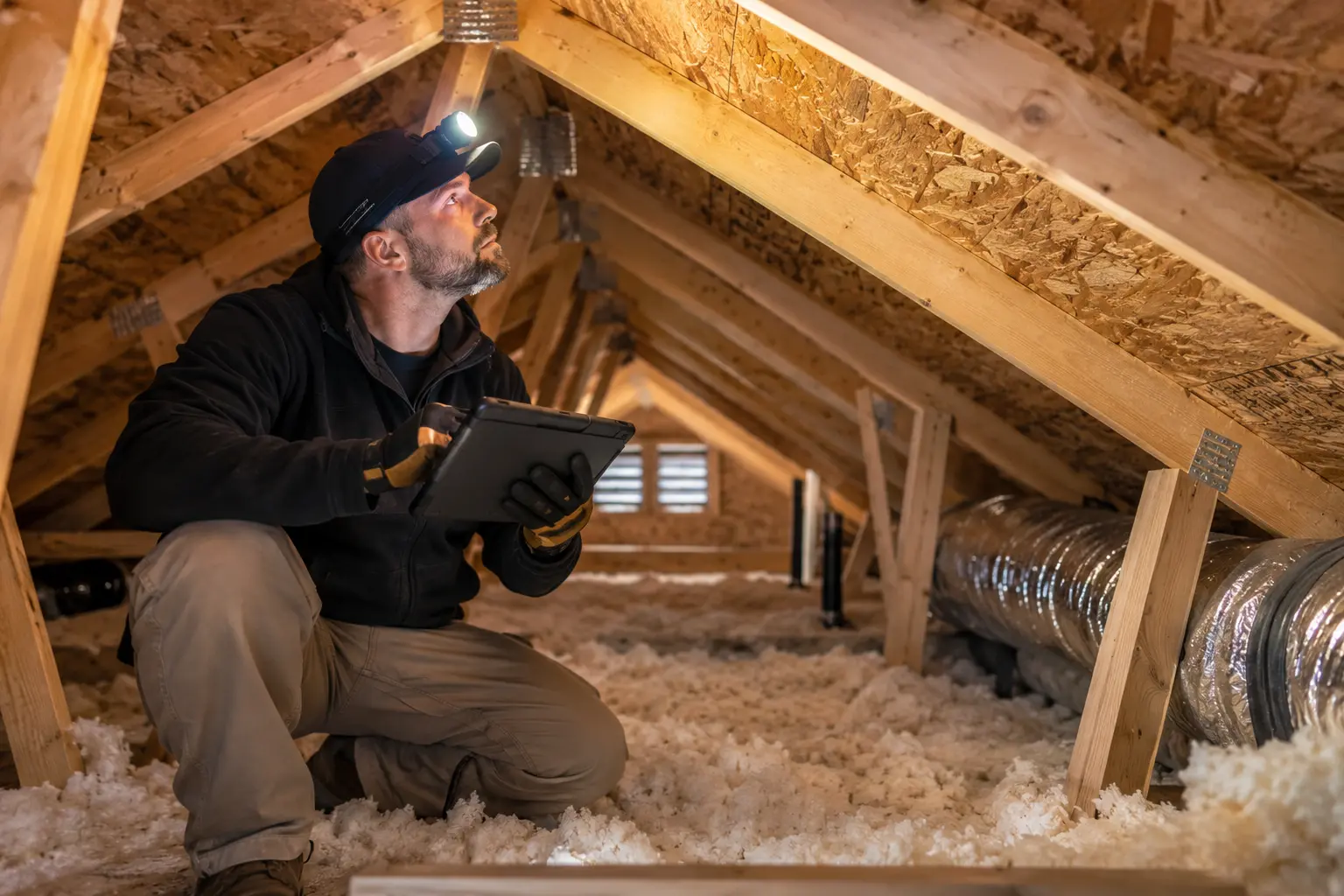
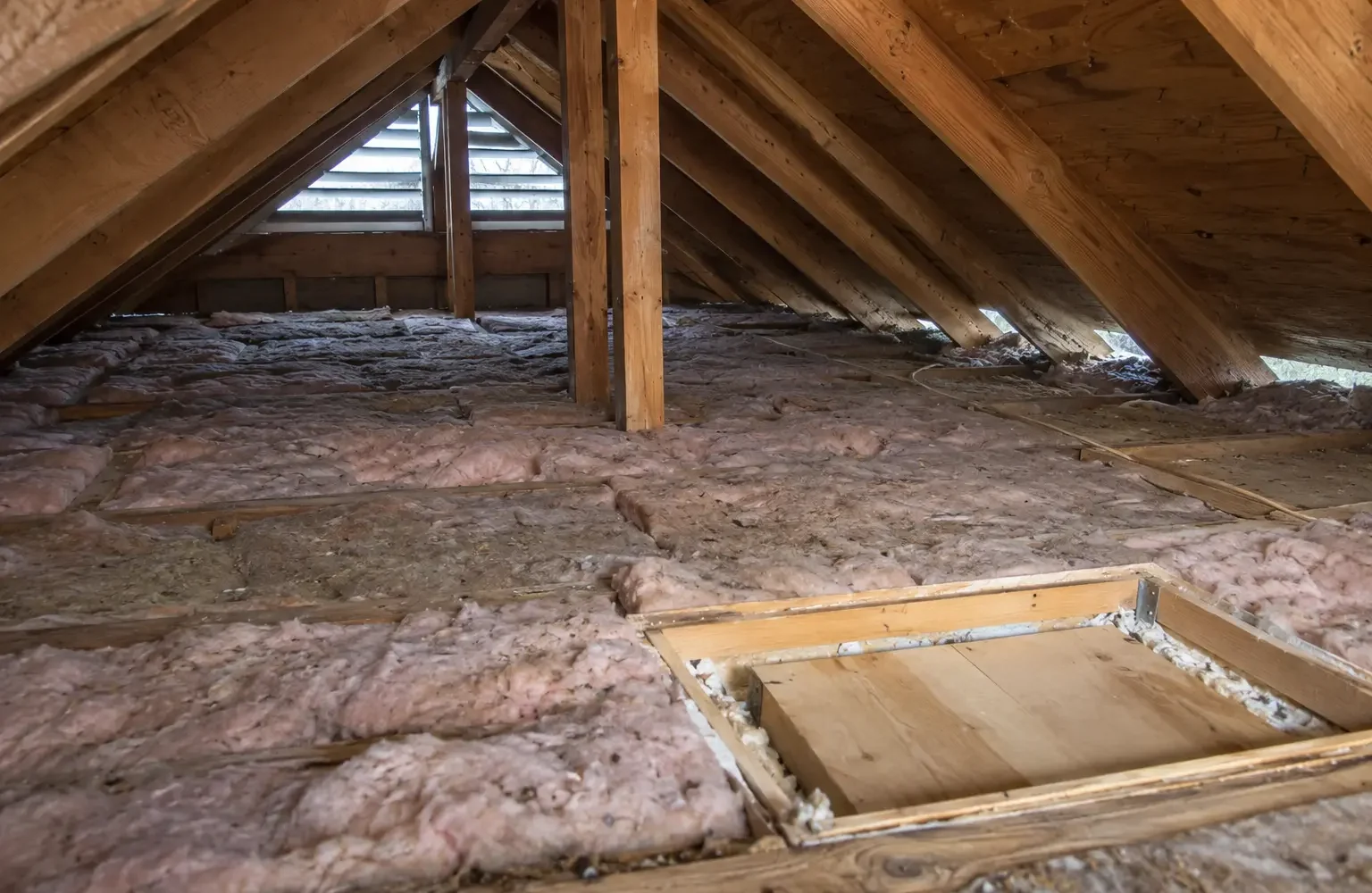
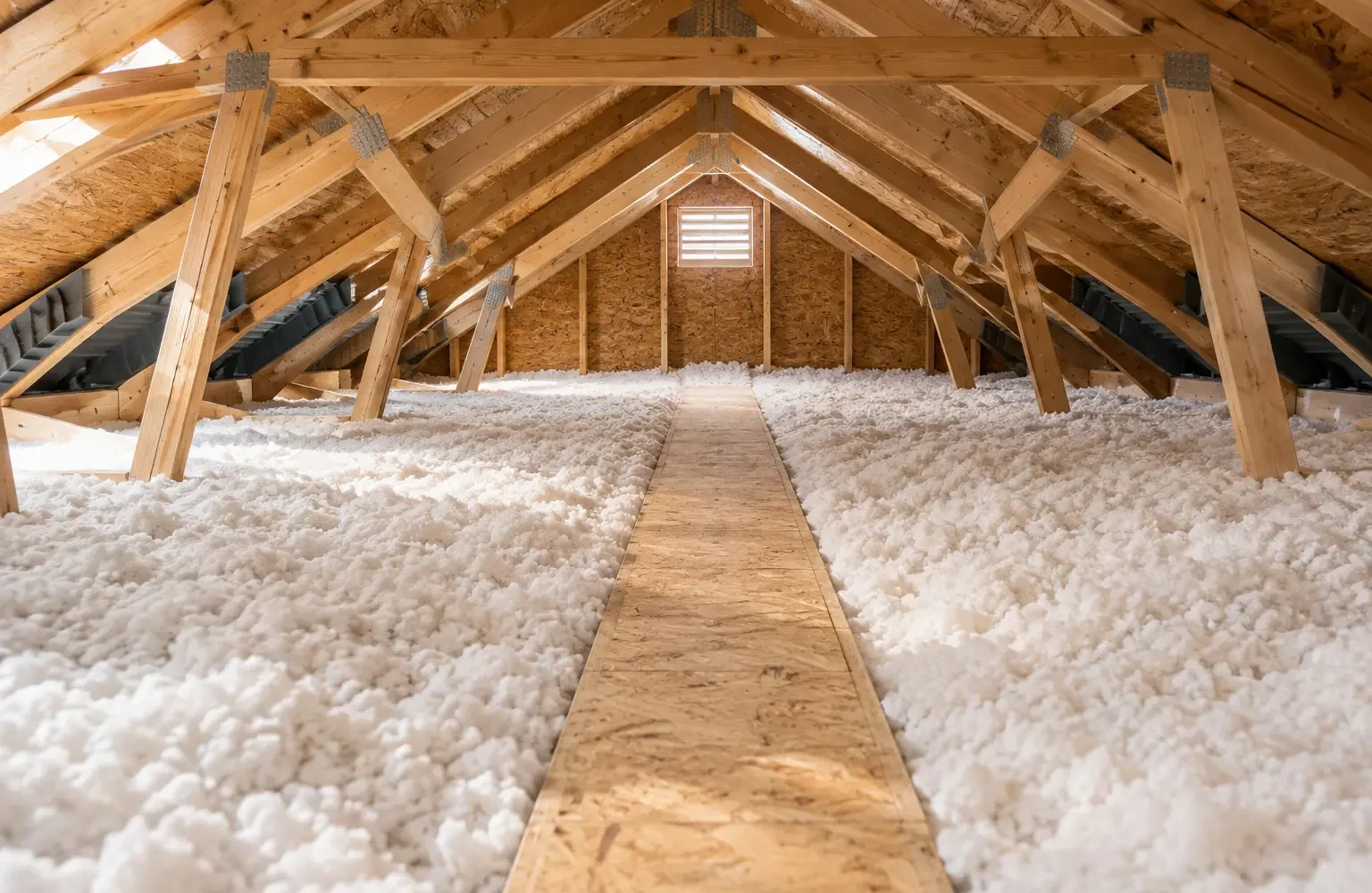
- Inspect attic coverage and air-control details
- Use an EnerGuide evaluation when whole-home prioritization is useful
- Separate comfort complaints from consumption assumptions
Oakville planning context
Connect the symptom to the home
Heating and cooling use reflects the whole house. An Oakville attic review can identify one important part of the enclosure while leaving equipment performance, windows, walls and household operation for the appropriate broader assessment.
What may happen next
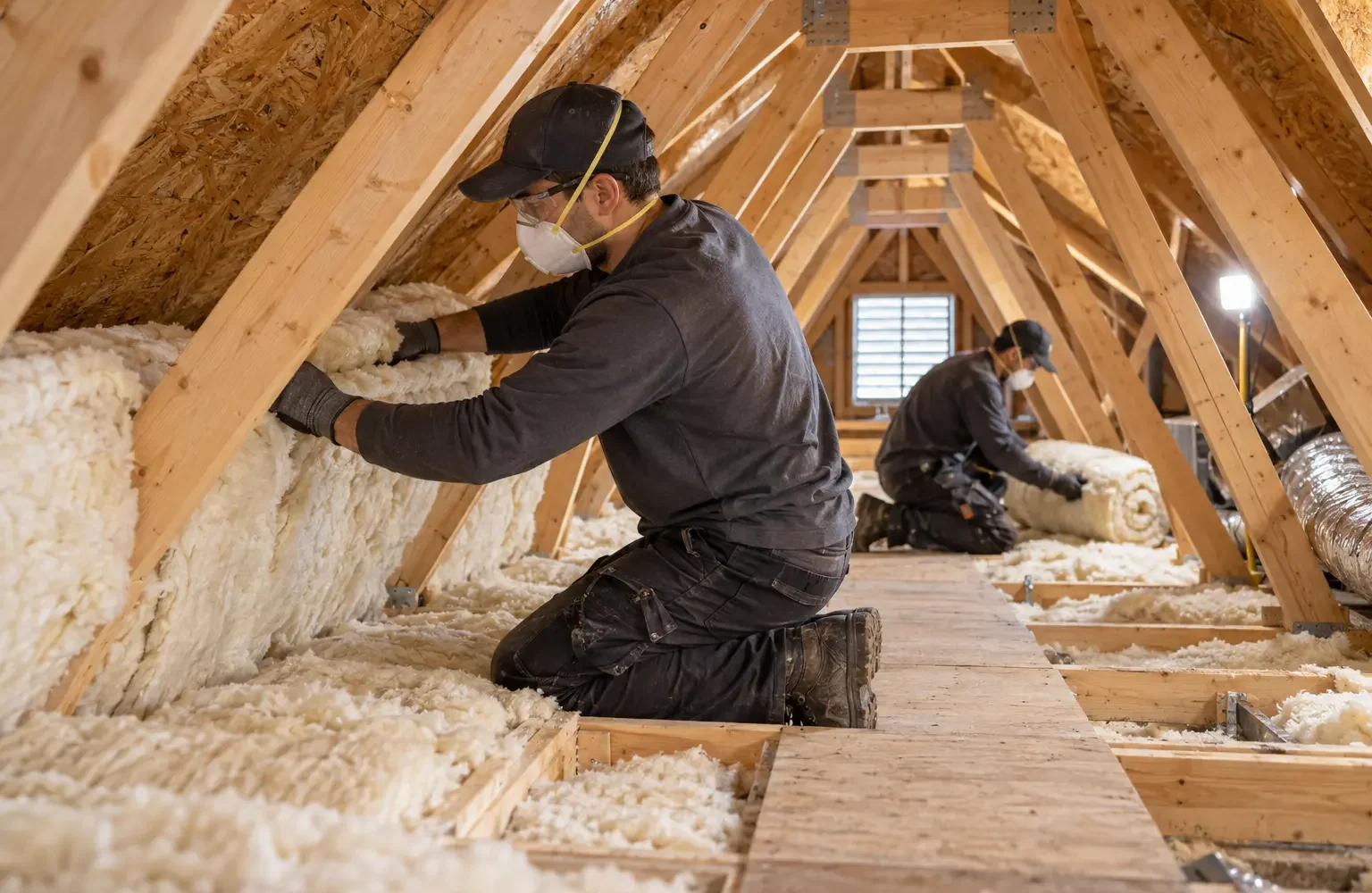
Prioritize verified weaknesses. An attic top-up may be a sensible measure when coverage is low, while a broader assessment can prevent spending on the wrong part of the house.
Clear answers
Questions about high heating & cooling loss
How much will insulation save?
Savings vary by starting condition, energy prices, climate, equipment and household use. A fixed percentage should not be promised.
Should I insulate before replacing HVAC?
Reducing enclosure loads first can inform equipment decisions, but timing and condition of the existing system also matter.
Relevant services